In The Wake Of Violence
Deep Dives
Explore related topics with these Wikipedia articles, rewritten for enjoyable reading:
-
National Firearms Agreement
14 min read
The article extensively discusses Australia's gun control response to the 1996 Port Arthur massacre. This Wikipedia article provides detailed context on the specific legislation, buyback programs, and measurable outcomes that the author references when discussing gun policy effectiveness.
-
Collective punishment
16 min read
A central theme of the article is how minority communities face collective blame for individual acts of violence. This Wikipedia article explores the historical, legal, and ethical dimensions of collective punishment, including its prohibition under international law and its use by authoritarian regimes.
-
Out-group homogeneity
10 min read
The author describes how society views minorities as 'all the same' while granting individualized consideration to majority groups. This cognitive bias is precisely what psychologists call the outgroup homogeneity effect, providing scientific grounding for the author's observations about systemic bias.
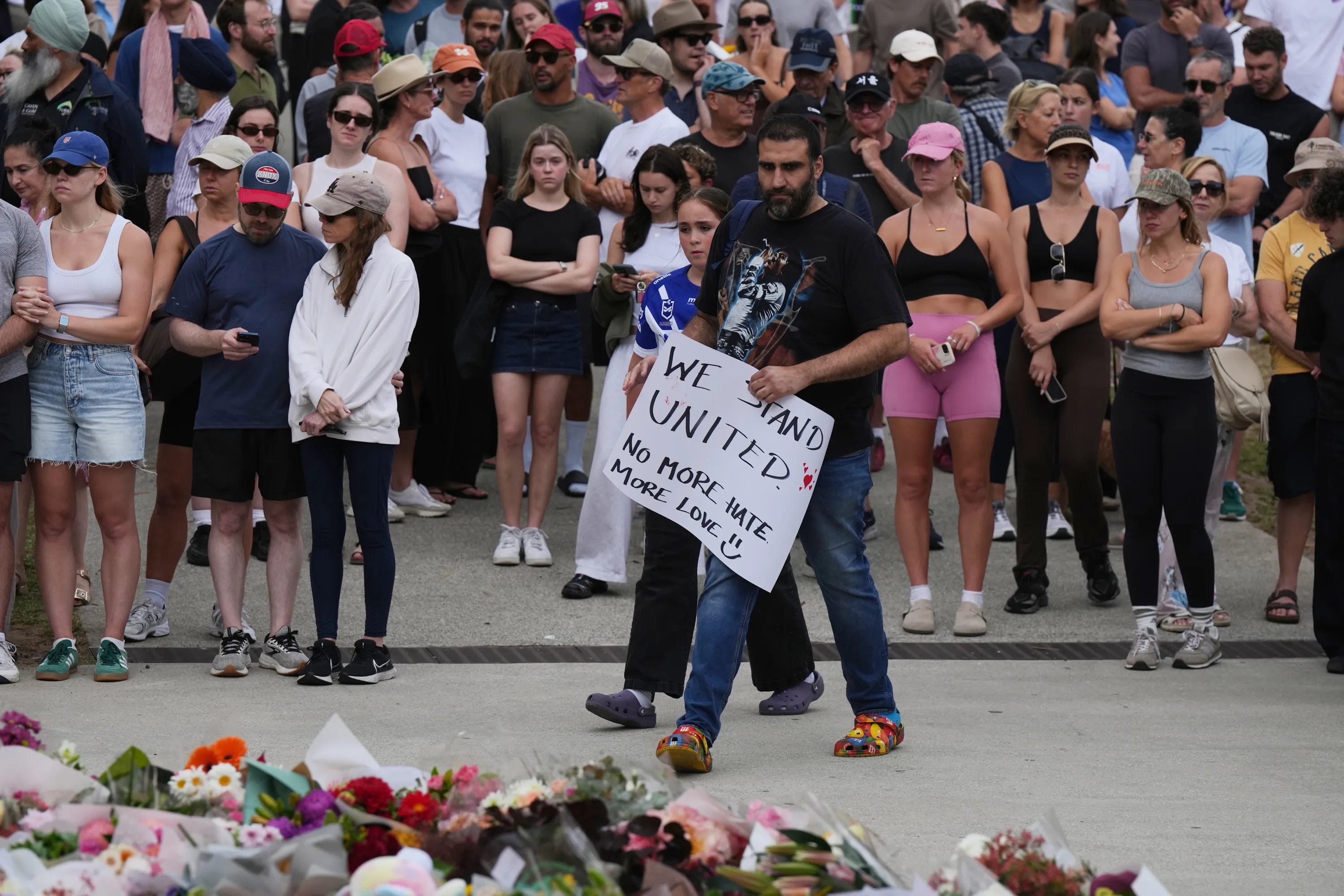
Over the weekend, there was death and tragedy at every turn. From students in classrooms at Brown University, to Jews murdered while celebrating the first day of Hanukkah on Bondi Beach in Australia, to the violent death of a beloved filmmaker and his wife at the apparent hands of their own son—it’s a lot to absorb and try to make any sense of.
I won’t try to do so today. The violence arose from seemingly intractable issues: the easy availability of high powered rifles in the U.S., the rise of violent antisemitism, and the deep trauma of drug addiction, even among the most privileged in our society.
But while we cannot solve these things easily, we can at least take a few lessons from these horrific events, including how and how not to react. Clear-headedness during such crises helps us focus on and address the problems that lit these fires, rather than expend time stomping out the flames fanned by others.
The urge to collectively blame and punish
Nowadays when we learn about a mass shooting, every minority community makes the same silent prayer: “I hope he wasn’t one of ours.” We’ve grown used to this because we understand what typically happens in the wake of a violent act committed by any brown or black skinned, immigrant, trans or Muslim individual: condemnation of every other member of that community.
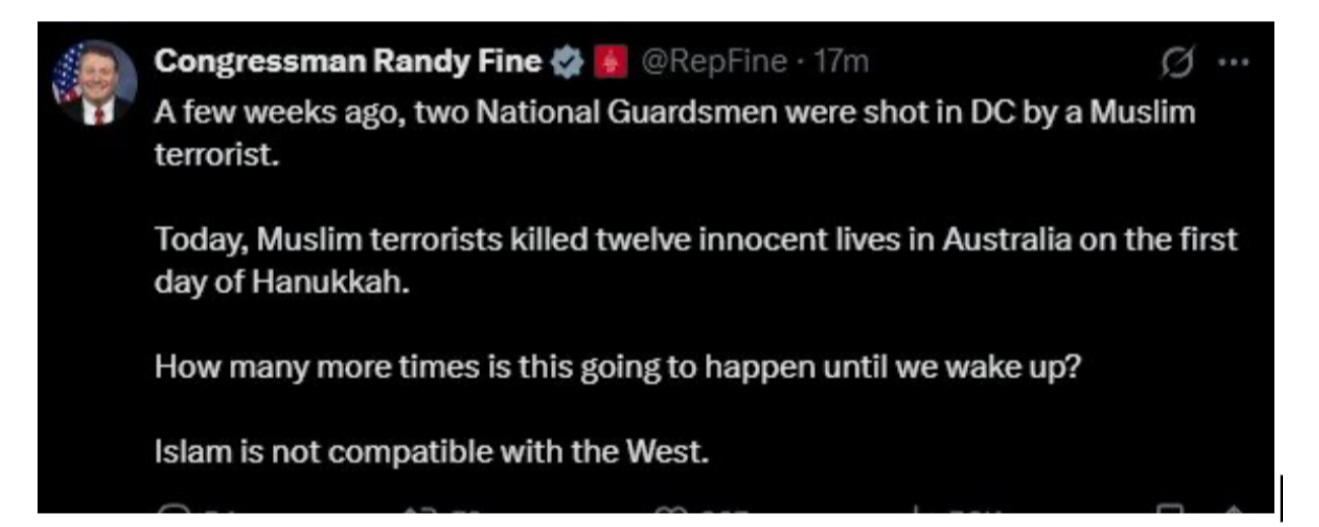
Rep. Randy Fine (R-FL) never misses a chance to do so. Following the Bondi Beach violence, he demanded, “How many more times is this going to happen until we wake up? Islam is not compatible with the West.”
The LGBTQ+ community endured the same leap to judgment and collective punishment when reports emerged that Charlie Kirk’s killer was in a romantic relationship with his trans roommate. The newfound power of the label “trans” as an unfounded link to violence quickly embedded itself in our culture—so much so that rumors spread quickly online that the Reiners’ son Nick, who sources claim killed both his parents last night, was not only a drug addict but was transitioning to being a woman—a completely baseless statement.
In the case of the Bondi Beach killings, it was another Muslim man, Ahmed al-Ahmed who, out of sheer bravery and thanks to his training and background in law enforcement, disarmed one of the killers, saving untold lives. Al-Ahmed is the son of
...This excerpt is provided for preview purposes. Full article content is available on the original publication.