A Star of the Left
Deep Dives
Explore related topics with these Wikipedia articles, rewritten for enjoyable reading:
-
Democratic Socialists of America
15 min read
Mamdani is a DSA member and his victory represents a major milestone for the organization. Understanding DSA's history, structure, and political strategy provides essential context for evaluating the significance of this socialist electoral win.
-
Mississippi Masala
1 min read
The article specifically mentions this 1991 film directed by Mira Nair (Mamdani's mother) as capturing the Ugandan-American Indian immigrant experience that parallels Mamdani's own background. The film explores themes of displacement, identity, and the African-Indian diaspora.
-
Ranked-choice voting in the United States
1 min read
The article explains that NYC uses ranked-choice voting for primaries but not the general election, and this electoral system was crucial to Mamdani's expected margin expansion. Understanding how RCV works illuminates why left unity and cross-endorsements were strategically important.
Although Ecopolitics usually appears on the first Sunday of the month, I’ve published this issue a week early because of the timeliness of its subject matter.
In New York City, socialist State Assemblymember Zohran Mamdani has almost certainly defeated former Governor Andrew Cuomo to become the Democratic nominee for mayor in the June 24 election.
Mamdani won 43.5% of first-choice votes to Cuomo’s 36.4% (with 93% of first-choice votes recorded). Comptroller Brad Lander, the only other candidate to reach double-digits, won 11.3%. New York City has ranked-choice voting, allowing voters to rank up to five candidates in order. Mamdani is expected to build on his lead once all the rankings are tallied because supporters of Lander and some other candidates are more likely to rank Mamdani than Cuomo. Cuomo has already conceded.
After nearly all polls showed Cuomo winning the race, Mamdani’s victory is surprising—and the margin of victory is shocking.
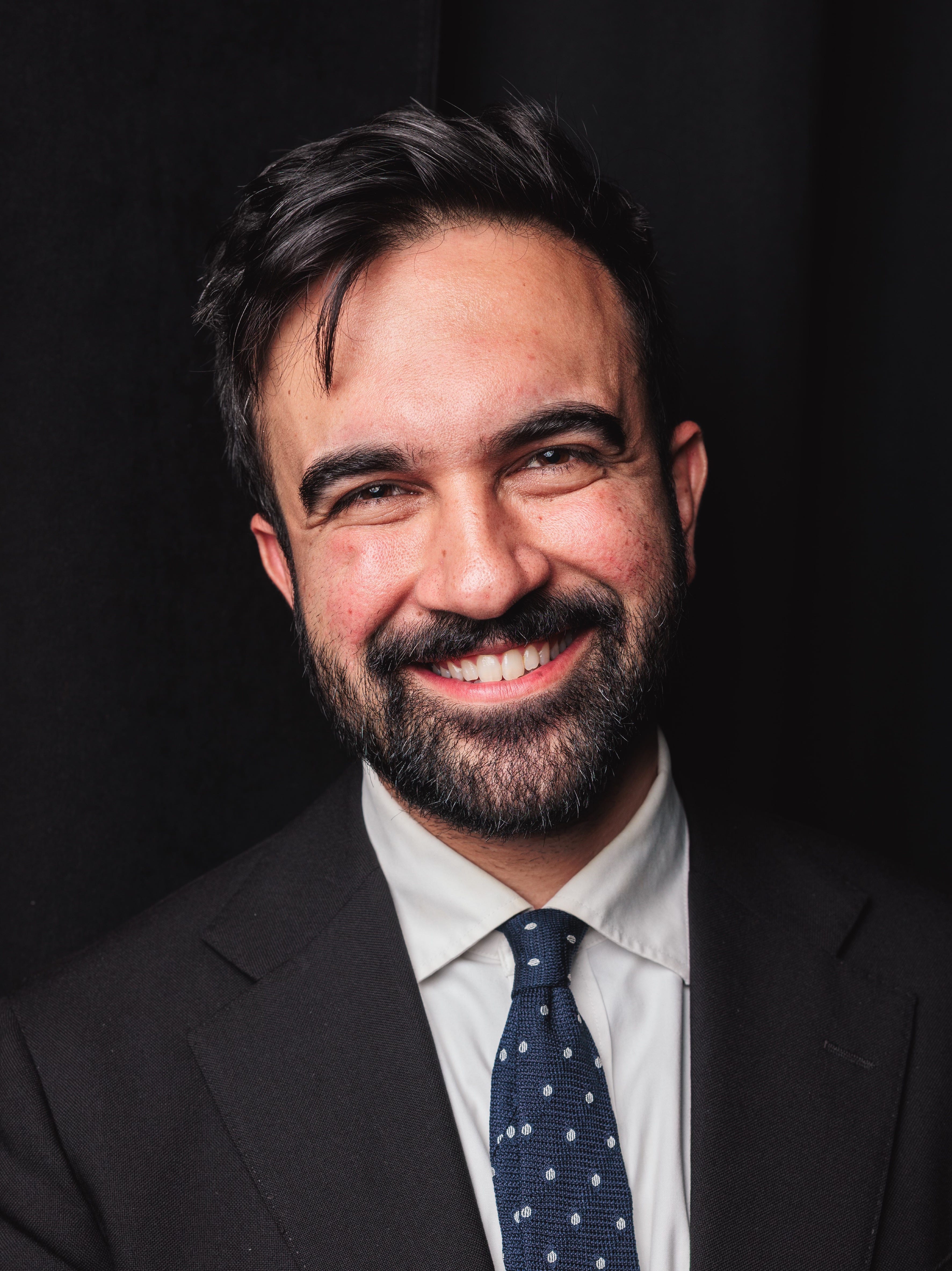
Mamdani, a member of the Democratic Socialists of America (DSA), campaigned on progressive proposals including a rent freeze for rent-stabilized apartments, making public buses free, free child care for children six weeks to five years old, and creating city-owned grocery stores aimed at reducing costs for shoppers. On the revenue side, Mamdani plans to raise NYC’s corporate tax rate and add a flat 2% income tax for those making more than $1 million a year. A catch is that these taxes require approval from New York’s state government, according to a Politico article that is critical of Mamdani’s plans to increase revenue.
Because this is Ecopolitics, I want to take a look at Mamdani’s environmental plans. Mamdani says he will build green energy on public lands and he has an ambitious plan related to schools, pledging to “renovate 500 public schools with renewable energy infrastructure and HVAC upgrades, transform 500 asphalt schoolyards into vibrant green spaces, create 15,000 union jobs, and build resilience hubs in 50 schools that provide resources and safe spaces during emergencies.” More broadly, an affordable New York City with extensive public services is an environmental win in itself; living in cities and using common infrastructure and facilities is highly resource efficient.
Mamdani has proven himself to be a megawatt political star, taking the mayoral race by storm with his campaign videos and turning in impressive performances in the
...This excerpt is provided for preview purposes. Full article content is available on the original publication.