Animals Need Us to Be Rich
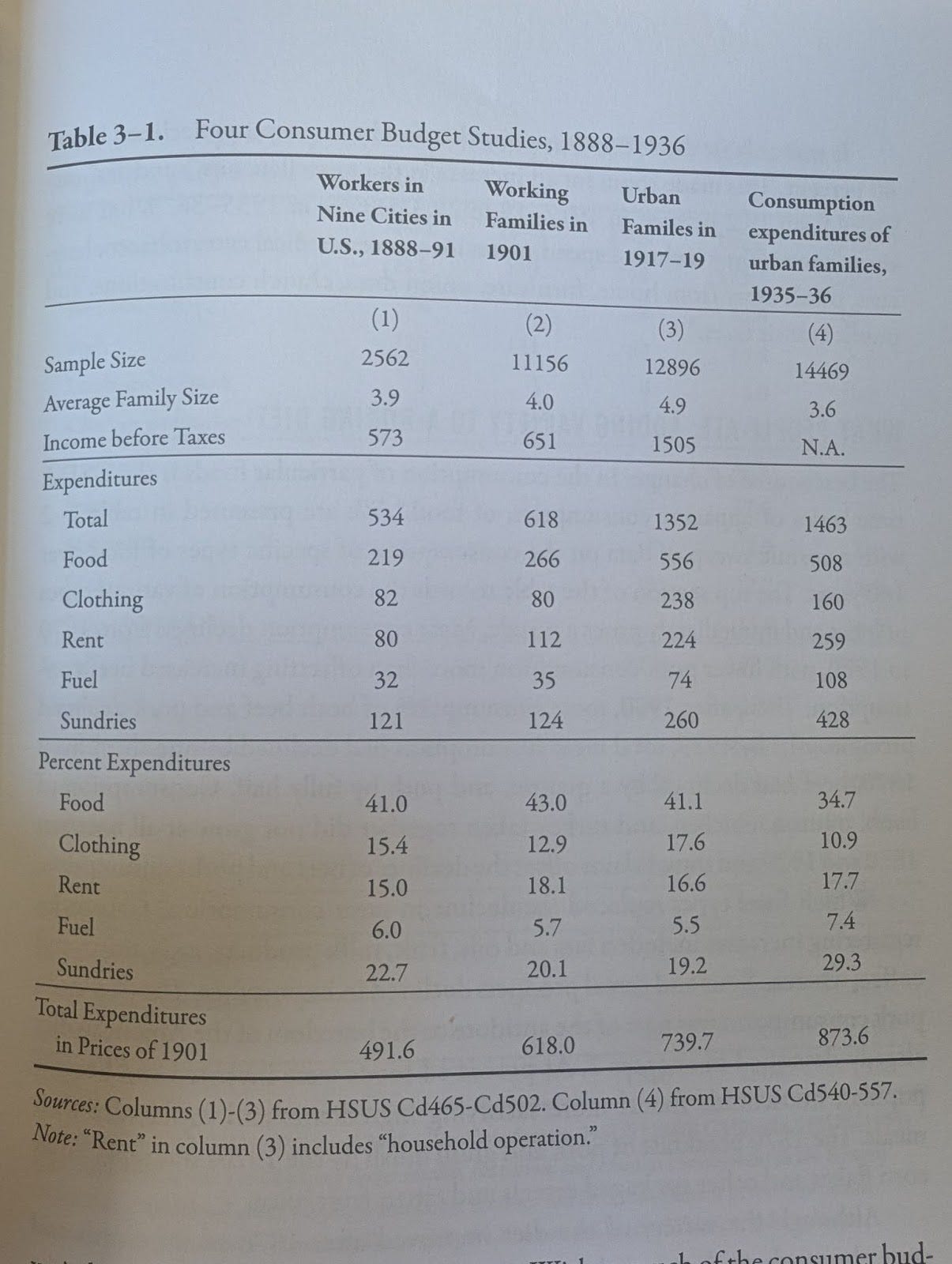
In historical terms, the way we raise farm animals today is strikingly new. The industrialization of animal agriculture only began after World War II, and in just eighty years it has completely transformed how we produce animal products. This transformation made food much more affordable: a century ago, the average American household spent 40% of their income on food. Today, that figure is just 10%.
As industrialization made food more affordable, people could begin considering not just whether they could afford to eat, but also how their food was produced. We can see this shift in the legal protections for farm animals that emerged, and in today's market for higher-welfare products that cost more but treat animals better. Now, as we look toward a future of potentially unprecedented wealth from advances in AI, we have an opportunity to take this even further: to build an agricultural system that truly reflects how we believe animals should be treated.
A short history of paying more for welfare
In the not-so-distant past, agriculture looked a lot different than it does today. As recently as the early 20th century, 40% of Americans lived on farms. These farms were much smaller than modern farms, and often involved a mix of different types of crops and livestock. Animal welfare was more an issue of how you and your neighbors treated the few animals that you directly interacted with, rather than how others treated animals on your behalf.

At this point, agriculture was significantly less efficient than it is today because farmers lacked economies of scale and technological capabilities. As a result, feeding a family could be extremely costly. It wasn’t uncommon for a household to spend 25% of their total income on food. While expensive by today’s standards, this itself was a massive improvement from early in history. For example, at the end of the 19th century, household food expenditures were over 40%.
Then, around the end of the second world war, things began to change. As part of the broader post-war transformation of the American economy, agriculture became larger, more mechanized, and more efficient. Farms began to specialize in particular types of crops or livestock, and they started to operate more like factories. The Green Revolution of the 1960s saw the introduction of genetic optimization, chemical pesticides, fertilizers, irrigation, and large machines
...This excerpt is provided for preview purposes. Full article content is available on the original publication.