"The beauty of an economic upturn" — Phrase of the Week
Deep Dives
Explore related topics with these Wikipedia articles, rewritten for enjoyable reading:
-
Singles' Day
9 min read
The article centers on Double 11/Singles' Day shopping festival. Wikipedia covers its origins as an anti-Valentine's Day celebration at Nanjing University in 1993, how Alibaba transformed it into the world's largest shopping event, and its cultural significance in China.
-
Reform and opening up
14 min read
The article discusses nostalgia for China's 2001-2015 economic boom with double-digit growth. This Wikipedia article explains Deng Xiaoping's reforms, the transition from planned to market economy, and the specific policies that enabled the prosperity era the phrase references.
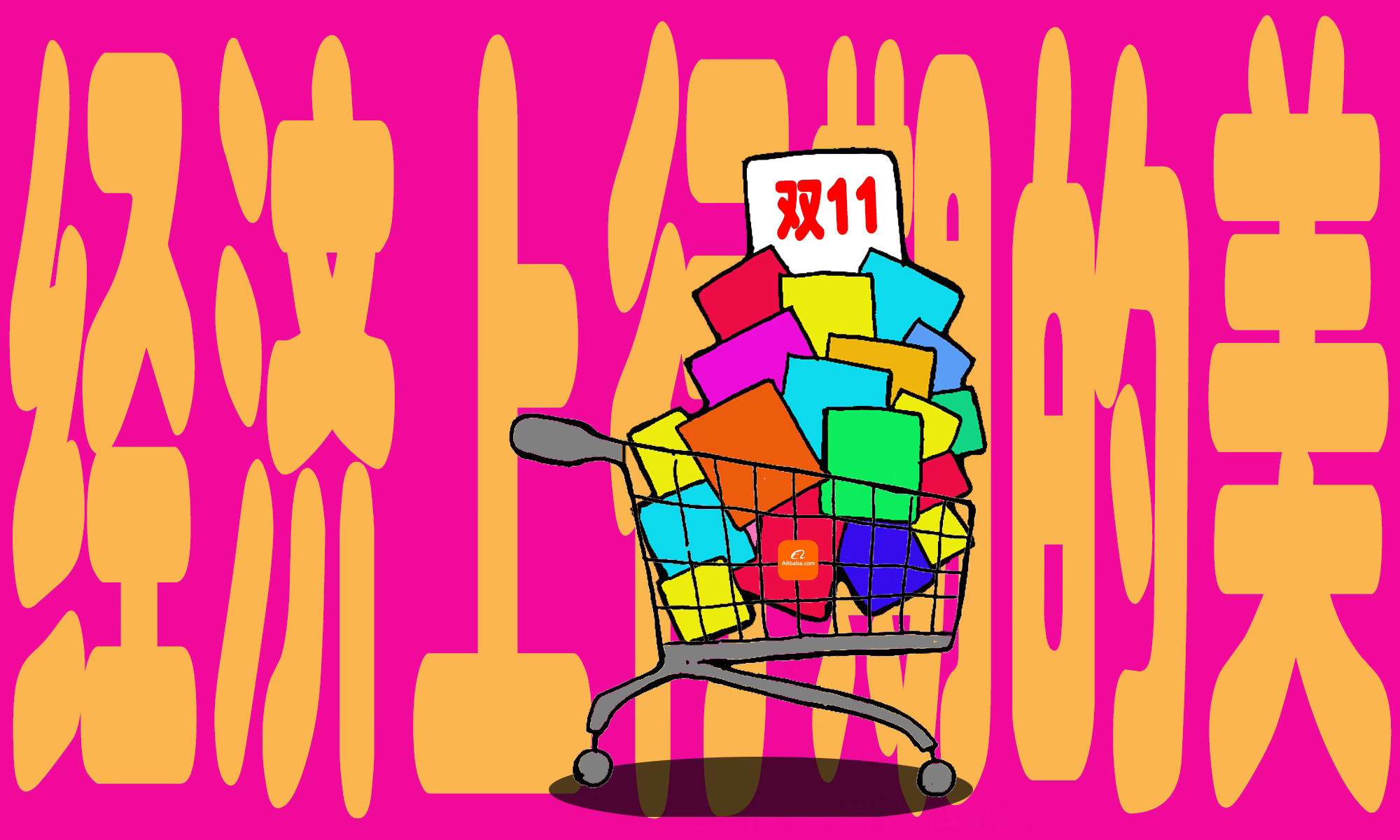
Our phrase of the week is: “the beauty of an economic upturn” (经济上行期的美 jīng jì shàng xíng qī de měi)
Context
A new phrase has been popping up on social media feeds over the last few months.
It has no dictionary definition, but it’s instantly understandable, and captures the mood of many in China right now — one of nostalgia.
Over the last few weeks, that phrase has appeared in discussions around China’s largest shopping festival — Double 11 (双十一). The festival is also known as “Singles Day” — a name that plays on the date November 11th (11/11), where the four ones represent single people.
For many, Double 11 this year was underwhelming.
The festival lasted five weeks, beginning in mid-October—its earliest start yet—as retailers desperately sought to stimulate spending amid subdued consumer sentiment.
Which brings us to the phrase itself:
“Lately, more and more people have been reminiscing online about the beauty of the economic upturn during the 2010s.”
最近刷到越来越多人开始怀念10年代经济上行期的美。
And with that, we have our Sinica Phrase of the Week.
What it means
“The beauty of the economic upturn” (经济上行期的美) is a self-explanatory phrase. There’s no dictionary definition or Baidu page for it yet.
But since September this year, it’s become a viral hashtag on Chinese social media, reportedly receiving over 10 billion views alongside other nostalgic terms like “millennium” (千禧年).
Countless articles across the Chinese internet have attempted to define it. The phrase captures a sense of what used to be “a promising future” (未来可期) — the belief that tomorrow will be better than today.
It refers to the period between roughly 2001 and 2015, when China’s economy maintained around double-digit growth and quality of life seemed to improve every year. People were visibly getting wealthier. Upward mobility felt tangible. Opportunities appeared to be everywhere.
Many people also reflect nostalgically over the fashion of that time. It’s best described as the Chinese version of “bling”: exaggerated hairstyles, flashy clothes, and large designer logos.
It was also a more tolerant and open time.
Cultural expression was freer, public discussion more vibrant. Writers became celebrities for critical essays, celebrated rather than silenced.
This sense of increasing economic freedom and wealth defined the early days of Double 11, which started in 2009. The culture of “consume and be happy” (消费即幸福) was at the heart of what was essentially
...This excerpt is provided for preview purposes. Full article content is available on the original publication.