Give and Take: Two Visions of Value
Nothing reminds me of my limited days on Earth like reading books. There are too many books and far too many I'd like to read to accomplish in a lifetime. The only other thing that had me thinking about my end of days is when Theo ordered toothbrushes and we received over 200, reminding me that we might die before we use all of them.
What happens when I want to read too many books is that I wind up trying to read two books at once. I knew my interests were diverse, but this past month, I was reading The Serviceberry: Abundance and Reciprocity in the Natural World by Robin Wall Kimmerer at the same time as World For Sale: Money, Power, and the Traders Who Barter the Earth's Resources by Jack Farchy and Javier Blas. A couple of weeks in, I realized this combination was breaking my brain, but was also illuminating.

The World for Sale is about commodity traders. I have always been fascinated by commodities, which I would explain as the materials we extract from the Earth in massive quantities, that are traded around the world without regard for their origin, and are priced purely on the market. Commodity traders make money from what is called arbitrage, buying the product at one price and selling it at a higher one. Since the 1980s, commodity trading has become a financial instrument, wildly disconnected from the Earth, farmers, and the history of how those commodities came to be in the first place.
The book offered some incredible history of the earliest commodity traders, the tumultuous years of oil trading during the 70s and 80s, and their disregard for global norms and doing business with whoever they wanted (think Russia during the Cold War). If the world needs oil, heavy metals, wheat, etc., they argue it doesn't matter to them how it was extracted or grown; they are just the middleman.
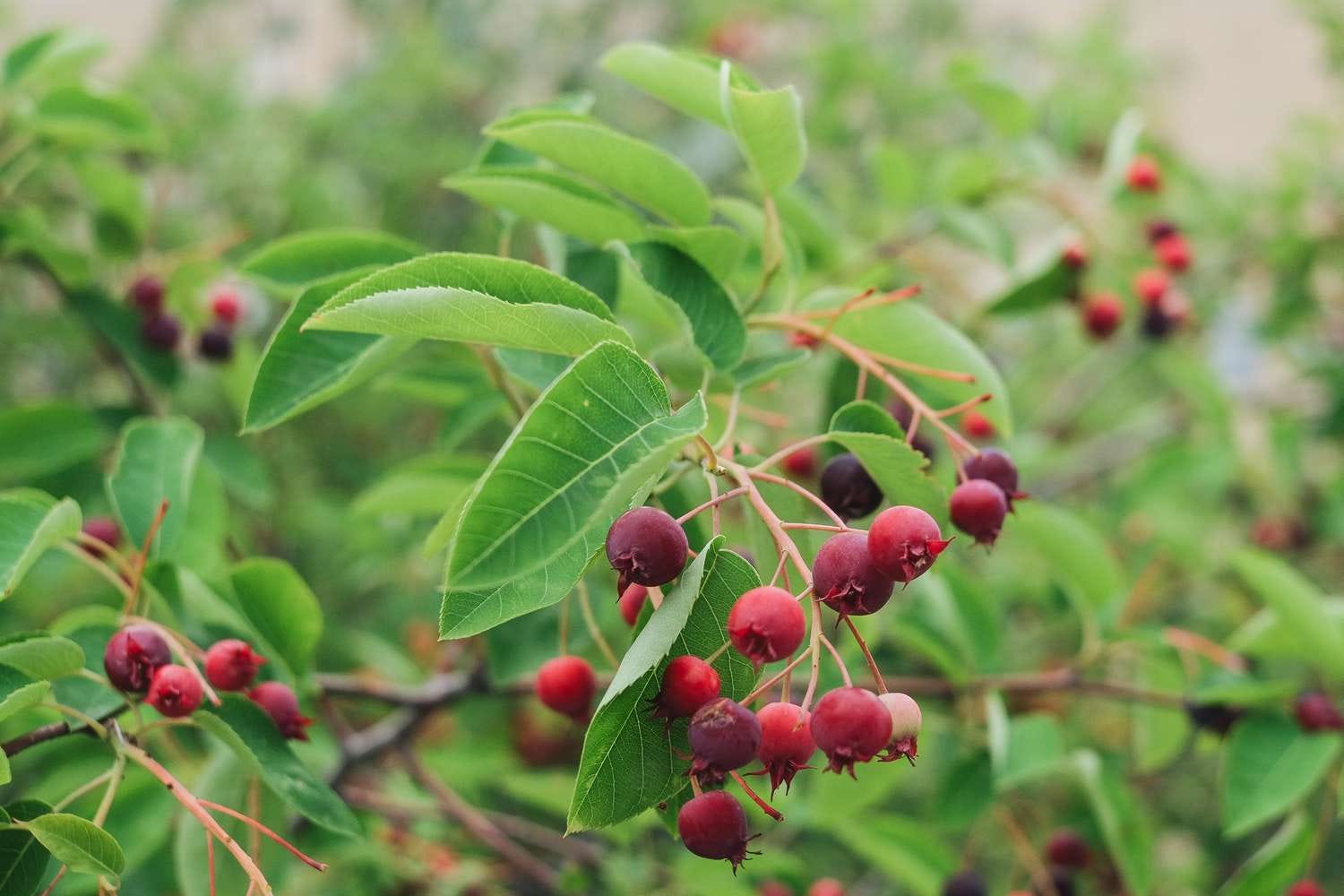
The Serviceberry, on the other hand, is in direct conflict with how commodity traders think. The 112-page book is about how nature, and especially the serviceberry plant, offers a model for generosity and mutual flourishing, contrasting sharply with our scarcity-driven, competitive economy.
Kimmerer shows us so many examples of abundance in nature and gift economies. I felt a slight euphoria reading this book, imagining a world in which we didn't pillage for individual
...This excerpt is provided for preview purposes. Full article content is available on the original publication.