Zadie Smith on mind control and freeing one’s attention
Deep Dives
Explore related topics with these Wikipedia articles, rewritten for enjoyable reading:
-
Charlotte Beradt
13 min read
Smith directly references Charlotte Beradt's book about dreams during the Nazi era, using it as a lens to understand modern propaganda. Understanding this specific work illuminates her argument about consent and self-imprisonment.
-
Attention economy
13 min read
Smith's core argument centers on attention as a colonized resource and the economic systems built around capturing it. This concept provides the theoretical framework for understanding her critique of digital platforms.
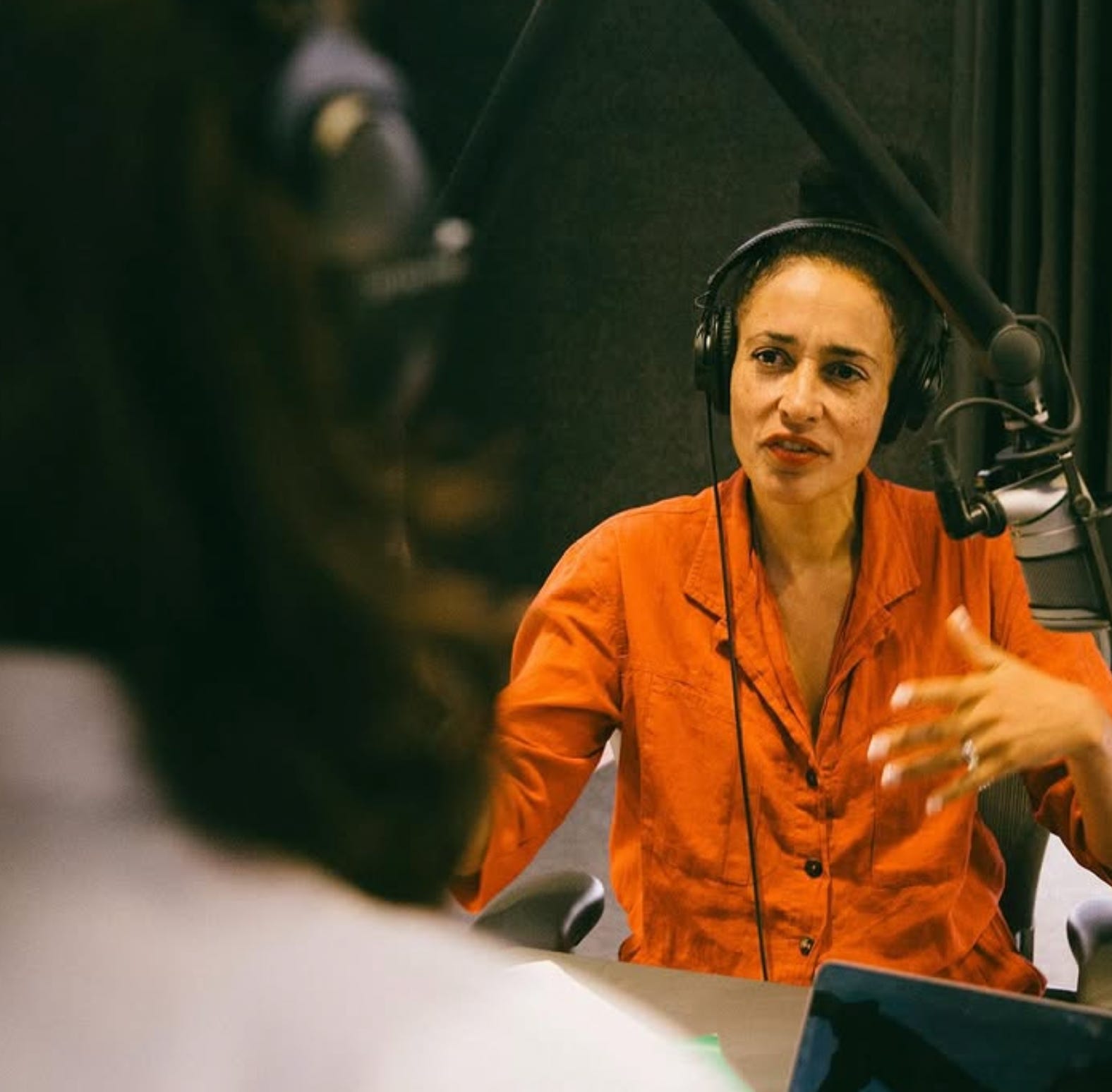
British writer Zadie Smith’s conversation with David Remnick at the New Yorker Radio Hour podcast this week has really got me thinking, on the radicalization of being online and consuming information for several hours every day, and the virtues of reclaiming one’s attention, including from the platforms of billionaire villains like Elon Musk.
“My emphasis has been on, to put it boldly, mind control,” Smith tells Remnick. “I think what’s been interesting about the manipulations of the digital age is that it is absolutely natural and normal for people to be offended at the idea that they are being manipulated. …
“From the very beginning, … everything digital, everything online has been talked about as if it’s not ideological, as if it’s neutral,” Smith said. “But it was never neutral. Something that is colonizing your attention, manipulating the way it’s directed, is not neutral.”
Some excerpts that I found most compelling from the conversation below. Bold/emphasis added by me.
Smith has a new book of essays, Dead and Alive. Remnick asks her about the role of essays if her writing life. “What are they for?”
Smith: I think it’s about spending a lot of time listening, because I’m not often in the kind of thick of things, in the way people are these days.
Remnick: When you say you’re not in the thick of things, what does that mean?
Smith: I mean, … I am basically living in 2003, right, in terms of my media diet. I listen to things, I read things, I watch television, but I’m not in this kind of daily diet of constant information. So…everything I do…is a bit slower or feels slower to me.
Remnick: So you’re not posting, you’re not doom scrolling?
Smith: No, no.
Remnick: And you don’t feel obliged to respond to the political outrage of the moment?
Smith: Oh, I feel plenty of outrage. But I just…think about individual human capacities and what a human brain is designed to take in, or what my brain can take in. … I’m like the slow food movement of writing. It just takes me a minute to think.
Smith: Nazi propaganda tools “were like crayons on paper, compared with what a man like Elon Musk now has at his disposal”
...Remnick: On election day 2024, you wrote
This excerpt is provided for preview purposes. Full article content is available on the original publication.