July 2024 Longevity Research Newsletter
Introduction
Welcome back Vitalians, it’s been an eventful month in longevity and DeSci.
Please join us in congratulating the TransFidelity team for passing the VitaDAO token holder vote. This proposal will allocate $50,000 to TransFidelity, a project focused on preventing neurodegenerative diseases by improving the accuracy of protein synthesis, thereby reducing the formation of harmful protein aggregates.
VitaDAO-backed Oisín Biotechnologies raises $15M Series A led by AbbVie Ventures. Oisín Bio aims to advance genetic medicines for age-related conditions, focusing on muscle-building to combat frailty.
We are also excited to share that the BIO Genesis event is underway. BIO creates a permanent, global pool of capital and talent, aiming to revolutionise biomedical science and creating a permissionless layer to back scientific projects with decentralized funding, liquidity & incentives.
This month also brings the sad news that renowned Professor Leonard Hayflick, a legend in the aging field, has passed away. We’d like to dedicate this issue to honor the extraordinary life of Professor Hayflick, a visionary whose relentless pursuit of knowledge redefined our understanding of life itself. Hayflick was not just a scientist; he was a pioneer who dared to challenge the status quo, forever altering the landscape of biology and medicine.
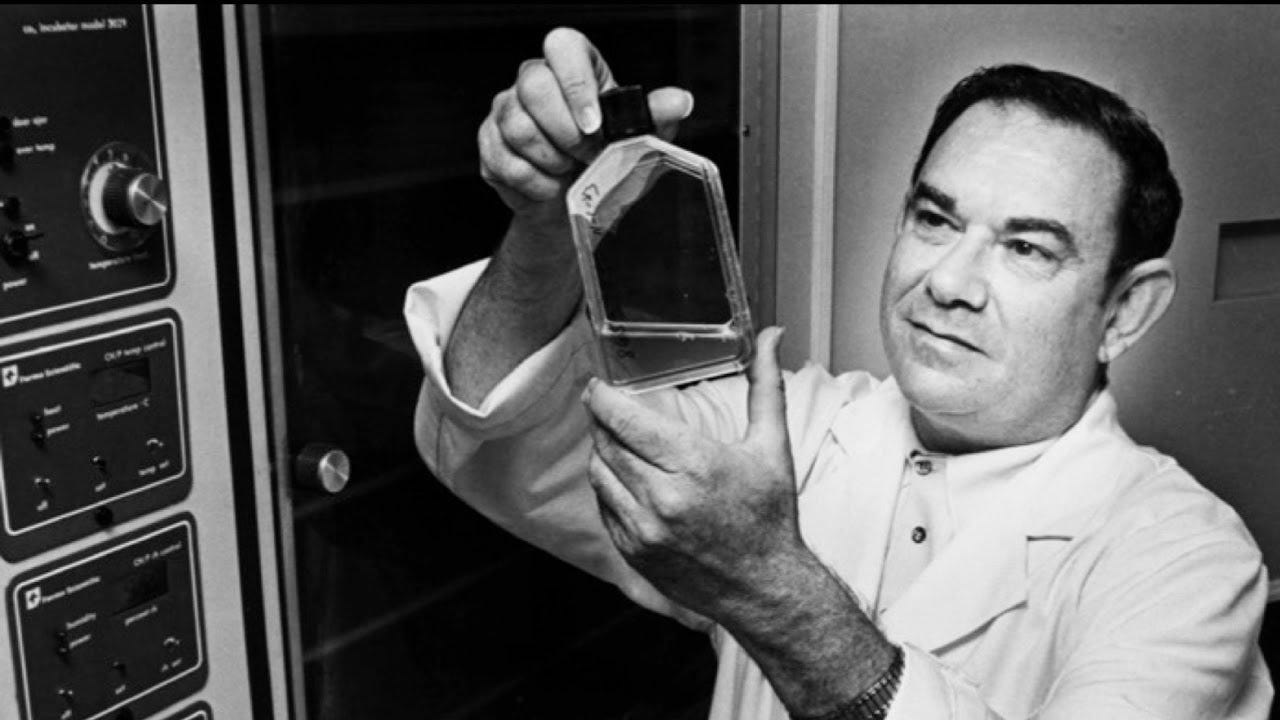
For over half a century, there was a scientific dogma that human cells could proliferate indefinitely, until Leonard Hayflick performed some pioneering experiments in the early 1960s which showed this was not the case, and after a reproducible number of divisions, later coined the “Hayflick Limit” cells would permanently stop dividing. The cessation of cell division is now known as cellular senescence, and the study of this phenomenon has blossomed into a scientific field in its own right. With several papers showing genetic or pharmacological removal of senescent cells can increase lifespan in mice, there is now a huge academic and pharmaceutical effort to further understand and target this process in an attempt to improve human healthspan and lifespan.
In addition to discovering cellular senescence, Prof. Hayflick developed the WI-38 cell line which became a cornerstone of modern vaccines, safeguarding the health of billions worldwide—a testament to his enduring legacy. Furthermore, he also developed the first inverted microscope for use in cell culture research, the design of which is still used today in modern microscopes.
But Leonard Hayflick’s journey was not without its trials. He faced controversies and opposition, yet he stood firm, driven by a belief
...This excerpt is provided for preview purposes. Full article content is available on the original publication.