Ghost Population in the Machine: AI finds Out-of-Africa plot twists in Papuan DNA
Deep Dives
Explore related topics with these Wikipedia articles, rewritten for enjoyable reading:
-
Denisovan
16 min read
The article discusses the 2010 discovery that Papuans carry ~5% Denisovan ancestry, making this archaic human species central to understanding the genetic history explored in the paper. Most readers will benefit from deeper knowledge of who the Denisovans were and their significance to human evolution.
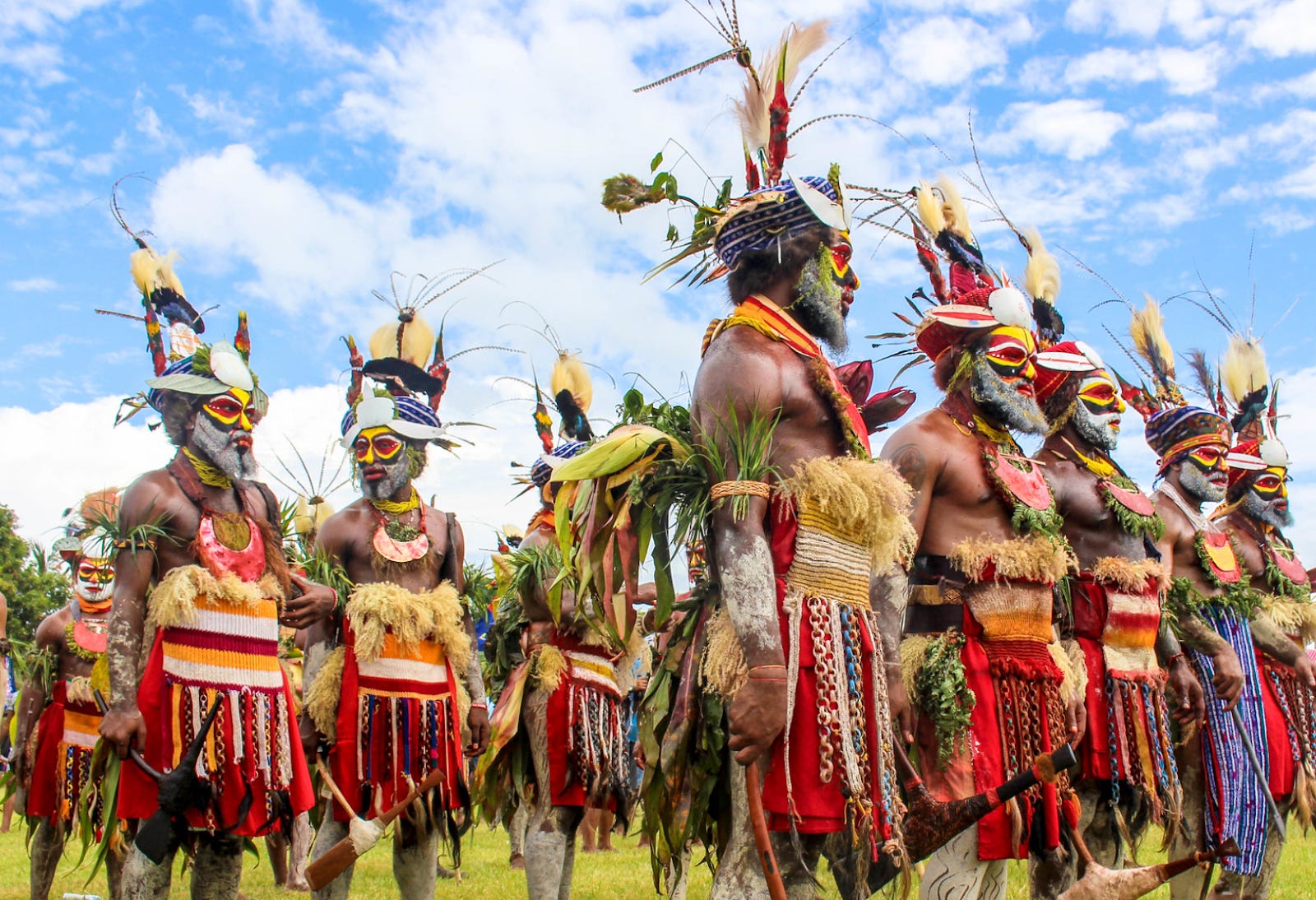
This year I’ve introduced an occasional feature for paying subscribers, the Unsupervised Learning Journal Club where I offer a brisk review and consideration of an interesting paper in human population genomics.
In the spirit of a conventional journal club, after each post, interested subscribers can vote on papers for future editions. I’m open both to covering the latest papers/preprints and reflecting back on seminal publications from across these first decades of the genomic era.
Previous editions:
Wealth, war and worse: plague’s ubiquity across millennia of human conquest
Where Queens Ruled: ancient DNA confirms legendary Matrilineal Celts were no exception
Eternally Illyrian: How Albanians resisted Rome and outlasted a Slavic onslaught
Homo with a side of sapiens: the brainy silent partner we co-opted 300,000 years ago
Brave new human: counting up the de novo mutations you alone carry
The wandering Fulani: children of the Green Sahara
Genghis Khan, the Golden Horde and an 842-year-old paternity test
Re-writing the human family tree one skull at a time
Free subscribers can get a sense of the format from my ungated coverage of two favorite 2024 papers:
The other man: Neanderthal findings test our power of imagination
We were selected: tracing what humans were made for
Unsupervised Learning Journal Club #9
Today we’re reviewing a Nature paper which elucidates the deep evolutionary history of Papuans: Resolving out of Africa event for Papua New Guinean population using neural network (2025). It comes out of Mait Metspalu & Anders Eriksson’s joint groups at the University of Tartu. The first author is Mayukh Mondal, Institute of Clinical Molecular Biology, Christian-Albrechts-Universität zu Kiel, Kiel, Germany.
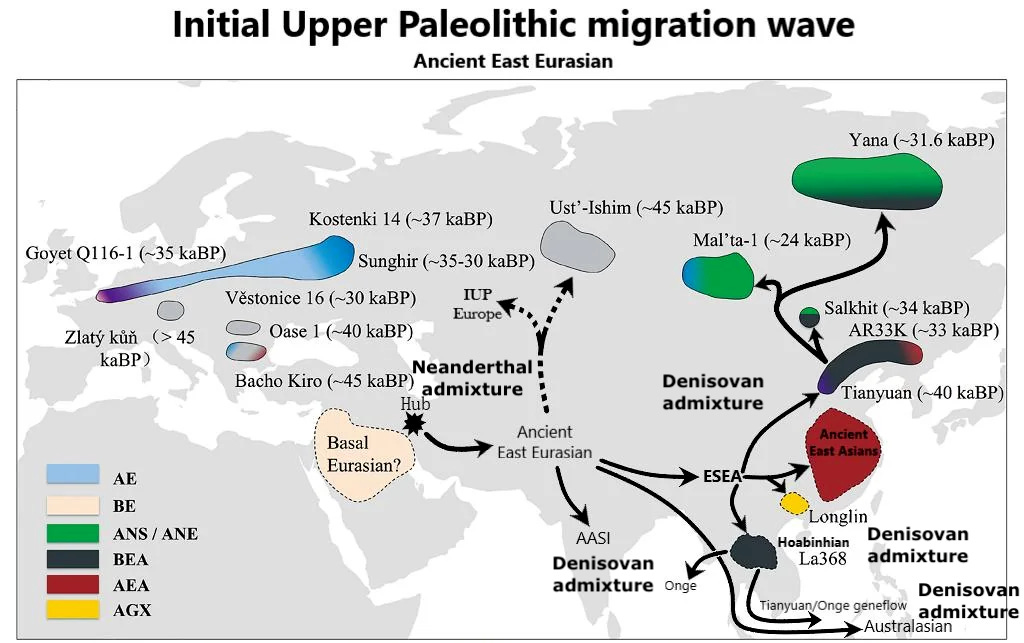
Papuans out of Africa
When Europeans first voyaged out into the world beyond their home continent in the 1400s and 1500s, they encountered populations of fellow humans previously unfathomed. Adrift amid unexpectedly vast new realms of human biodiversity, they groped for familiar qualifiers along which to sort their newly discovered kin. Christopher Columbus famously misidentified the natives of the New World as Indians, presuming he had reached the East Indies. A few decades later, and much further west, on the edge of Asia, Spanish Basque explorer Yñigo Ortiz de Retez, already a veteran of voyages throughout the New World and to such far flung holdings as the Philippines and the Spice
...This excerpt is provided for preview purposes. Full article content is available on the original publication.