Discovery of a major genetic risk factor for stroke in South Asians
For today's post I want to revisit one of the old stories, a research work by my colleagues at Regeneron. I wrote about this on Twitter last year when the work was preprinted. I also mentioned it briefly on Substack in the 2023 round up and discussed it on The Genetics Podcast. But now that it is officially published, I thought I should write a short Substack post about it.
I like this work for many reasons. It hits many of my favorite themes:
Non-European populations-based discoveries
Genetic convergence between Mendelian and common diseases
Therapeutic implications of non-European genetic discoveries.
The discovery
My colleagues (Rodriguez-Flores et al.) did an exome-wide association study of stroke in around 75,000 individuals of South-Asian ancestry from the Pakistan Genomics Resource (PGR) and uncovered an important genetic risk factor of stroke among South Asians. A missense variant, p.Arg231Cys, in NOTCH3 that is 30 times enriched among South Asians (MAF=0.58%) compared to Europeans (MAF=0.019%) was found to increase the risk of stroke more than 3-fold.

CADASIL
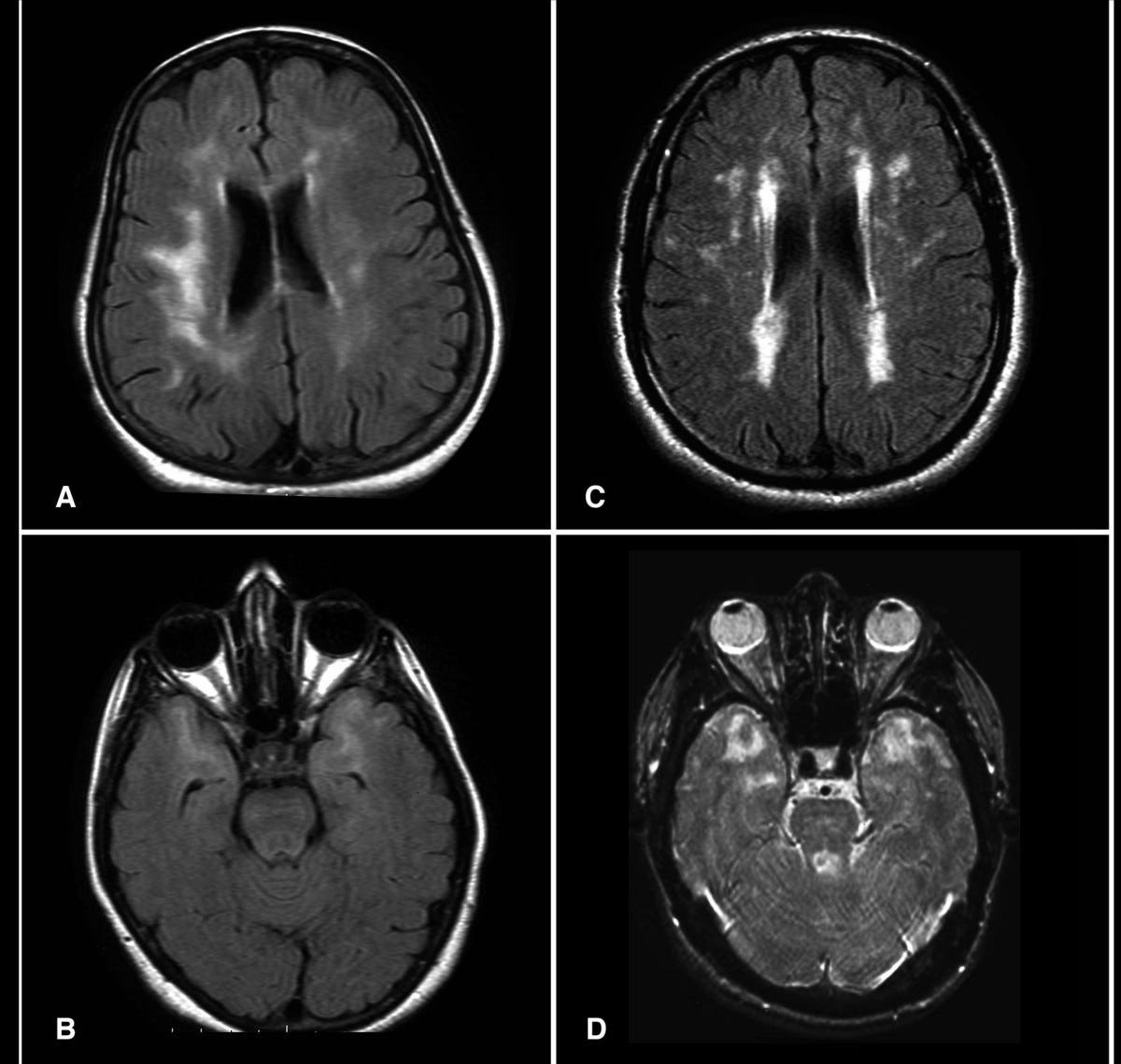
The gene NOTCH3 is a known Mendelian gene for stroke. Pathogenic missense mutations in NOTCH3 cause an autosomal dominant stroke syndrome called CADASIL (Cerebral Autosomal Dominant Arteriopathy with Subcortical Infarcts and Leukoencephalopathy), discovered in the 1970s. The condition is characterized by early-onset recurrent stroke that gradually destroy the blood vessels in the brain, resulting in motor and sensory deficits, dementia and death, typically before the age of 60 years. It is through the genetic mapping of CADASIL, NOTCH3 was first cloned in humans.
In addition to its history, the genetics of CADASIL is also fascinating. NOTCH3 is a huge gene with 33 exons that code for 2321 amino acids. It encodes a transmembrane receptor expressed in the vascular smooth muscle cells. The receptor needs to be cleaved to release its intracellular domain from the plasma membrane, which then swims through the cytoplasm into the nucleus to activate the transcription of its target genes. The most important part of the protein, however, is its extracellular domain that interacts with the ligand and initiates the NOTCH3 signaling cascade, which involves cleavage by multiple enzymes (including gamma secretase, the same one that cleaves amyloid beta protein).
The extracellular portion of NOTCH3 is unique
...This excerpt is provided for preview purposes. Full article content is available on the original publication.