The Neocortex Builds a Model of the World

Over the past few weeks I've introduced a few concepts related to Jeff Hawkin's A Thousand Brains theory of intelligence. In The Organ of Intelligence I introduced the neocortex and its astonishing organization into trillions of neurons organized into layers across different cortical columns, each about the size of a grain of rice.
In Vernon Mountcastle's Big Idea I introduced Mountcastle's ground-breaking and controversial claim that all of intelligence can be explained by one universal algorithm inherent in every cortical column across all different kinds of intelligence from vision to logic to language.
Since writing those pieces, I've wanted to dig deeper into exactly how these cortical columns work but I've realized that we first need to zoom out and make sure we are thinking about the neocortex in the right way from a high level.
One of the foundational claims of Jeff Hawkin's theory is that the neocortex builds a predictive model of the world.
Everything you know is stored in this model including how objects look, feel, and sound, where things are located in space, and how things change when you interact with them.
Stored in your neocortex are tens of thousands of models of objects, words, and ideas. Intelligence requires learning a model of the world and updating it continuously.
What is a model?
At this point you might be wondering what exactly a model is, and if you are, then you are like me and might be bothered when experts take for granted words with fuzzy definitions like "model"—so here is my attempt to understand and explain it.
A model is a structured way of thinking about an object or concept. You might be familiar with the use of models in architecture where they are used to help us visualize and think critically about a structure as we plan it:
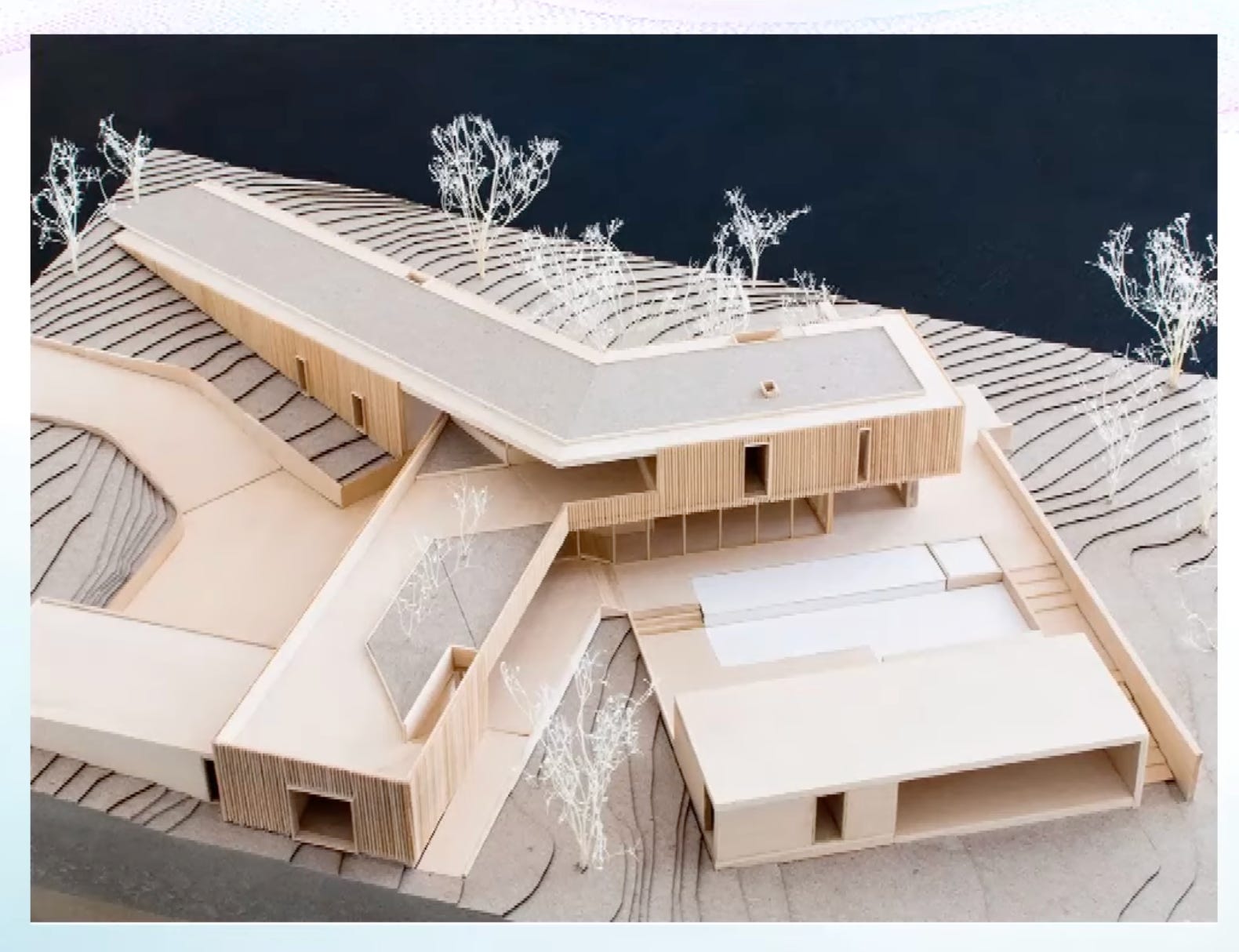
Models can also represent high level, intangible concepts such as a liberal democratic society:

I like to think of models as shortcuts for objects and concepts that we need to hold in our brain and use everyday. For example, in our political discourse everyday we throw around enormous concepts like "liberty" or "individual rights." Each of us has our own working model of what these concepts mean and how important they should be. Models are critical to our use of our intelligence.
What
...This excerpt is provided for preview purposes. Full article content is available on the original publication.