The Monetization of Rage
Deep Dives
Explore related topics with these Wikipedia articles, rewritten for enjoyable reading:
-
Yellow journalism
12 min read
The article discusses how media prioritizes outrage over truth for profit - yellow journalism from the 1890s shows this pattern has deep historical roots, with Hearst and Pulitzer using sensationalism to drive newspaper sales, paralleling today's rage bait economy
-
Attention economy
13 min read
Reich's core argument is about how rage has become monetized because attention is scarce and valuable - this concept provides the theoretical framework for understanding why platforms and creators optimize for outrage
-
Fairness doctrine
11 min read
Reich references how news divisions were independent before the 1980s - the Fairness Doctrine's elimination in 1987 is the specific regulatory change that enabled the partisan media landscape he describes, making this essential historical context
Friends,
The publisher of the Oxford English Dictionary has named “rage bait” its phrase of the year.
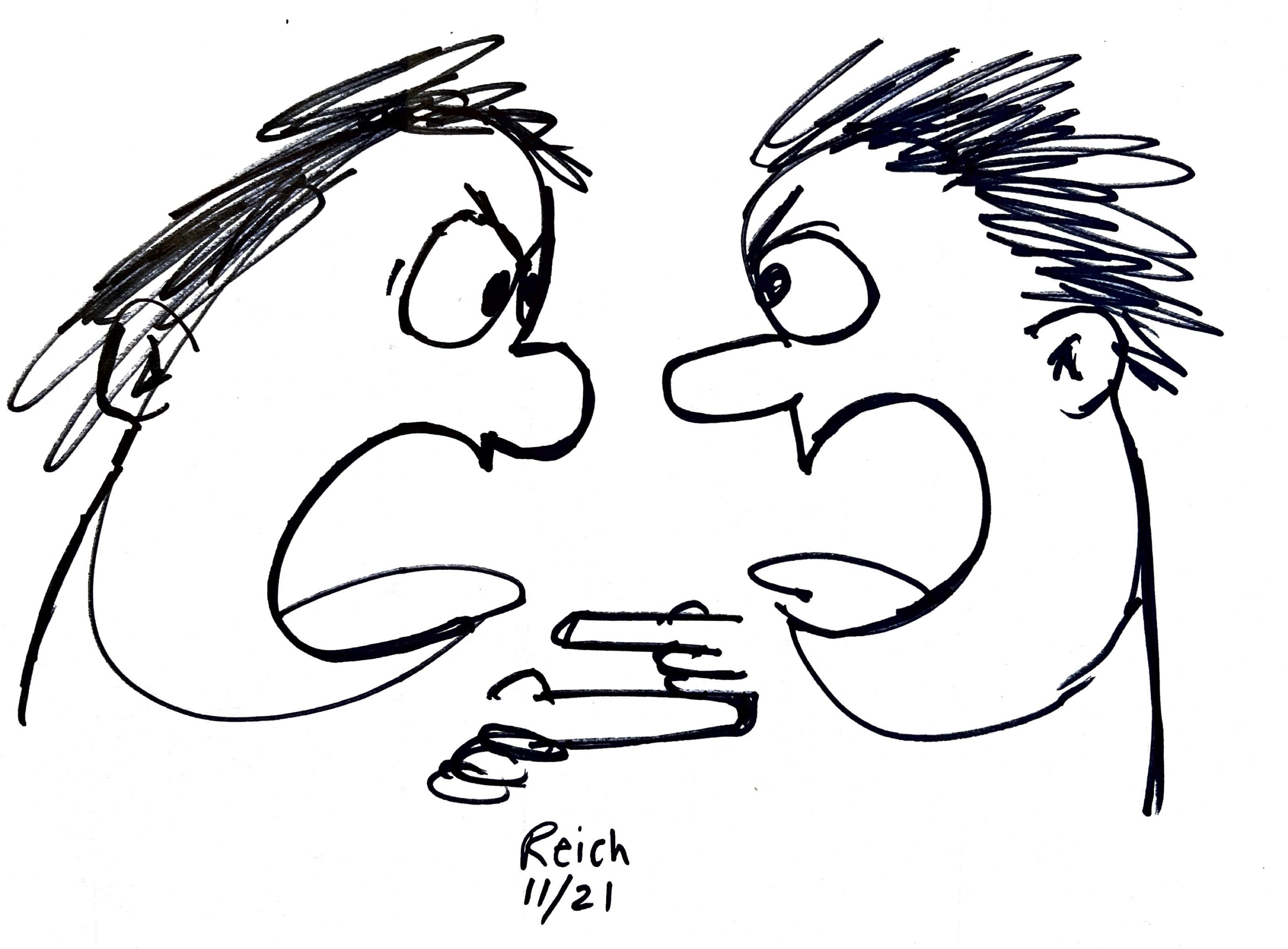
Call it the monetization of rage. Rage has become a valuable commodity. (Always follow the money.)
A growing number of online creators are making rage bait. Their goal is to record videos, produce memes, and write posts that make other users furious: conspiracy theories, lies, combustible AI-generated video clips — whatever it takes.
The more content they create, the more engagement they get, the more they get paid.
The rage bait market is worldwide. Since X, Facebook, and Instagram pay certain content creators for posts that drive engagement, people all over the globe have a financial incentive to share material that feeds the anger of American users and will therefore get reposted.
Last week a new feature on X permitting users to see where accounts originate showed that a number of high-engagement MAGA accounts that claim to be those of patriotic Americans are in fact from Russia, Eastern Europe, India, Nigeria, Thailand, and Bangladesh.
It’s not only social media. Much the same is true of Fox News and Newsmax, as well as MSNBC. (The network that’s falling behind is the one that hasn’t taken as clear a side in the outrage wars: CNN.)
This isn’t entirely new.
Years ago, I appeared on several television programs where I debated conservatives. Once, when my opponent and I discovered we agreed on more than we disagreed, the TV producer shouted in my earbud, “More anger!”
I asked the producer during the commercial break why she wanted more anger.
“It’s why people tune in,” she said. “An angry fight attracts more viewers than a calm discussion. People stop scrolling and stay put. Advertisers want this.”
At this point I lost my temper and refused to appear on that program ever again.
Now it’s far worse, because competition for eyeballs and attention is more intense. Rewards for grabbing that attention are greater, and they go to anyone with the ability to create and sell the most outrage.
Our brains are programmed for excitement. Few events get us more excited than being juiced up with rage.
Most large media corporations are moved by shareholder returns, not the common good. This has transformed many journalists from investigators and analysts offering news to “content providers” competing for attention.
Trump’s antics have ruled the airwaves for almost a decade because his eagerness
...This excerpt is provided for preview purposes. Full article content is available on the original publication.