Why the Family is Political
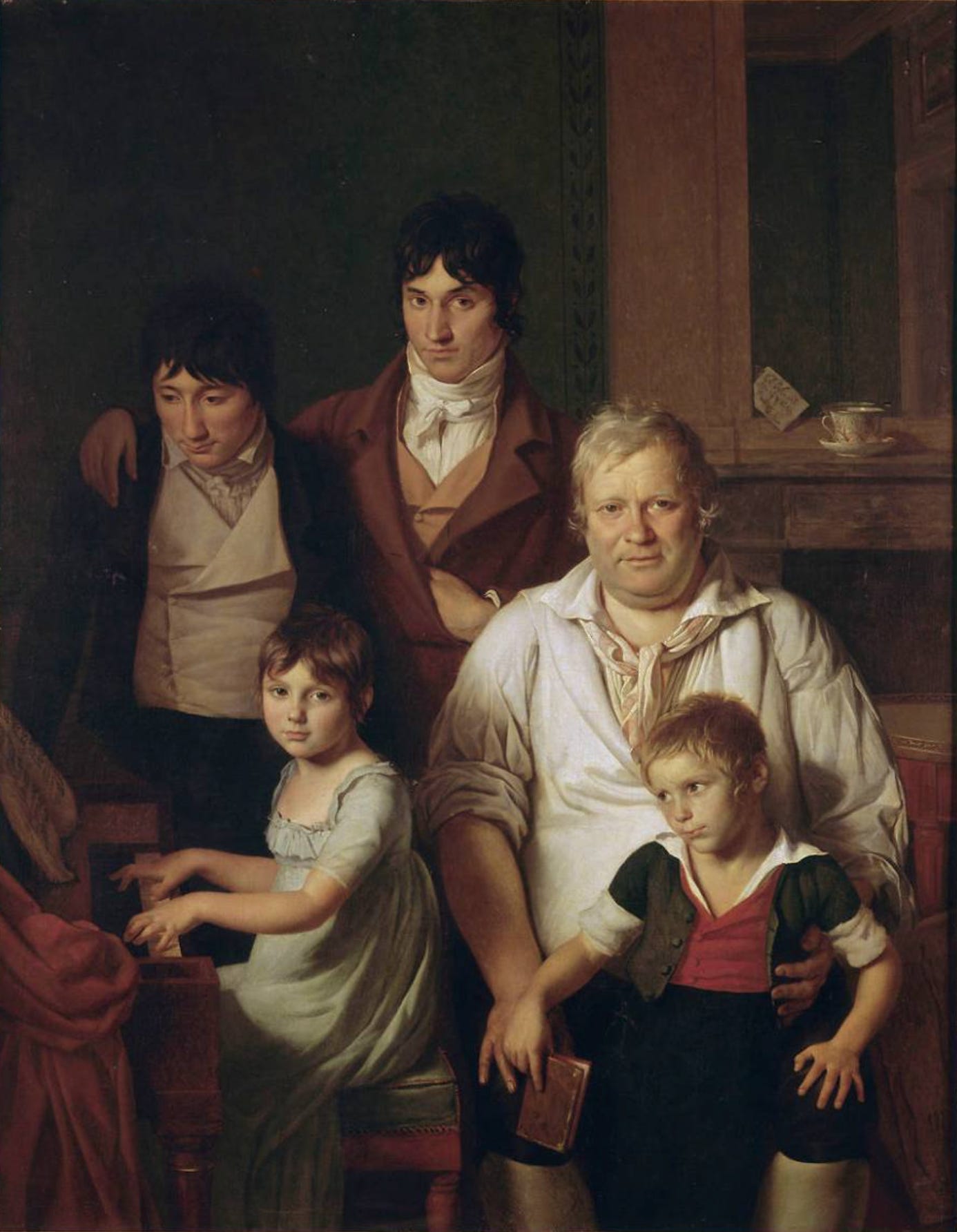
The contradictions of the family have to be understood through the prism of class conflict and the problem of value or we mistake the family as a quasi-religious institution and fail to understand its crucial political function. To deny that the family is riddled by class contradictions is to assume that there is just one form of the family. In a way, this is the bourgeois conception of the family, forged as it is in its own image: every family is required to aim for the reproduction of the private middle class family. The bourgeois view of the family is not so far from the religious view after all.
In my book on the family I offer a definition of the family as an institution in capitalist social life that is distinct due to the forms of exchange that sustain and reproduce itself, namely the family engages in non-instrumentalized forms of gift exchange.1 This is what introduces the problem of value. The basis of this value exchange is preceded by the social reproduction needs of the family, i.e., the family is a fundamental unit in perpetuating and ensuring the reproduction of its class basis in the wider system of production. But while the family knows its role to be such it disavows this knowledge through its exchange practices. This is why the middle class family is founded on a lie. Its primary aim is to provide a shelter from the pressures and demands of the market while simultaneously preparing children for eventual labor demands.
But in order to fulfill these requirements—while at the same time preserving the class material basis of the family—the family must cultivate personally singular subjects. It is to this end that the bourgeoisie originally promised a liberated social form with the family: it promised that each member would retain the rights to a cultivated and singular individual life beyond the family. In order to ensure this process, the family engages in forms of exchange that involve gifts that go beyond any utilitarian calculus, i.e., the children of the middle class are introduced to forms of cultivated leisure, care, training and extra services for educational improvement. While these gifts seem to be exchanged out
...This excerpt is provided for preview purposes. Full article content is available on the original publication.