DIASPORA DIALOGUES: Unpacking Kashmir's Long Struggle for Self-Determination
ANNOUNCING A NEW SERIES!

One of the most quietly disorienting parts of being part of a diaspora is how little we often know about the places we come from. War, migration, colonization—and even silence within our own families—can interrupt or erase those histories. Add to that the lack of education about other immigrant communities and their homelands, and it’s easy to feel unmoored or alone.
Diaspora Dialogues is a course correction.
This Q&A series from Port of Entry will feature conversations with thinkers, creators, and cultural workers navigating life between worlds. Together, we explore what it means to build, remember, and belong when “home” isn’t just one place—and when the past still echoes in the present.
We talk about the hard stuff: displacement, loss, identity, assimilation.
But we also make space for joy, creativity, and resilience—what emerges when people live at the intersections of culture and memory.
A Homeland Denied: Unpacking Kashmir's Long Struggle for Self-Determination
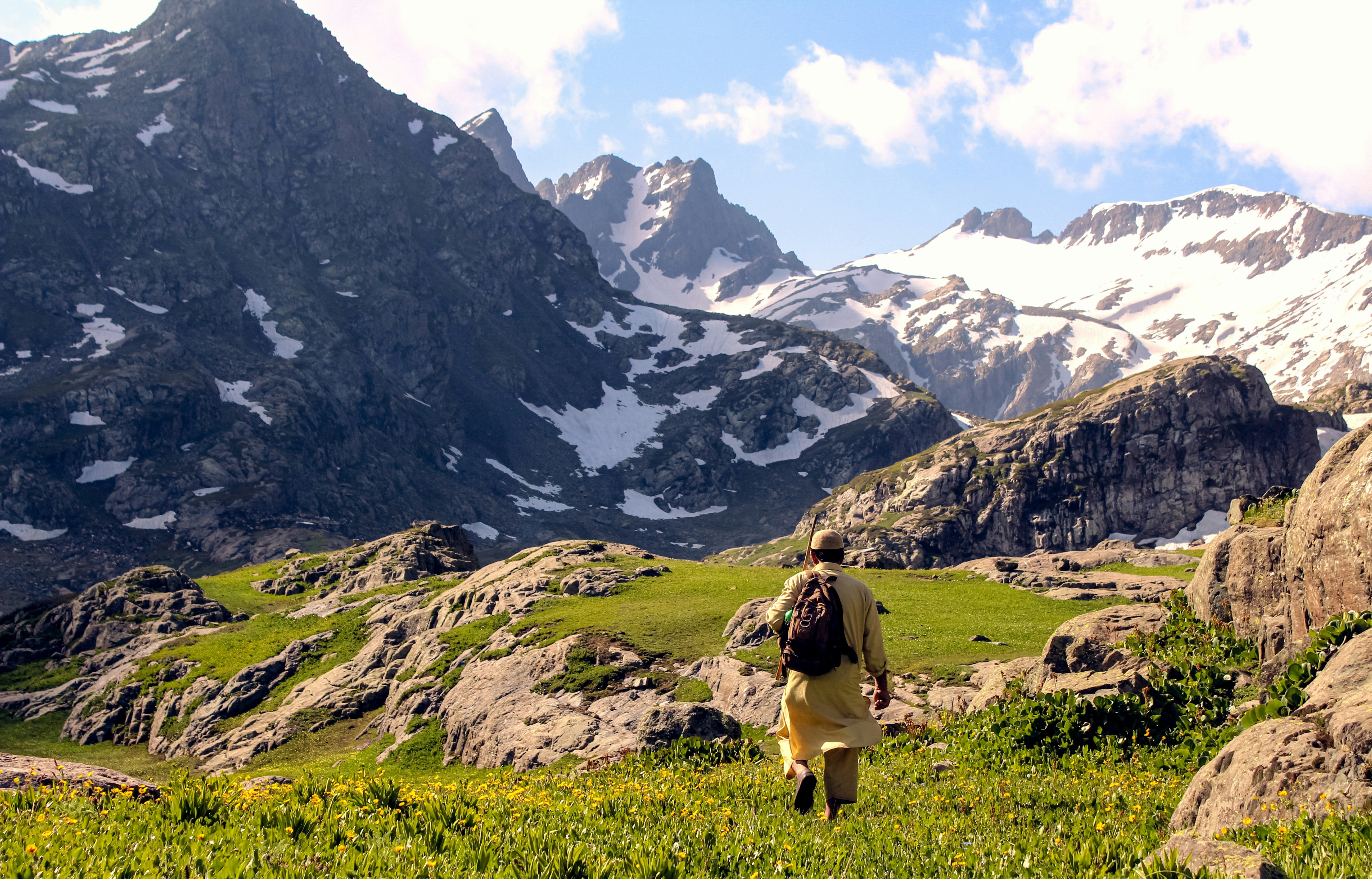
On April 22, 2025, a brutal attack near Pahalgam—a popular tourist destination in Kashmir—took the lives of twenty-six people. The incident—the deadliest in the region in twenty-five years—prompted India to shut its border with Pakistan and reignited international attention on a conflict that has simmered for decades.
Kashmir has been a disputed region between India and Pakistan since both nations gained independence in 1947. When British colonial rule ended, Kashmir's status was left unclear. Each country controls different parts of Kashmir, but both claim the entire territory. For decades, this region has been caught between competing claims and broken promises—a place where colonial history continues to shape present-day realities.
Kashmir sits at the intersection of three nuclear-armed powers—India, Pakistan, and China—making it one of the world's most geopolitically important locations. Kashmir is also strategically crucial because it controls the headwaters of rivers that supply about sixty-five percent of Pakistan's territory, giving India significant leverage over Pakistan's water security. The region also provides access to Central Asian trade routes and natural resources, while serving as a gateway for major connectivity projects like China's Belt and Road Initiative. Both India and Pakistan view control of Kashmir as essential to their national security and regional influence, which is why neither will compromise on their territorial claims.
For the first edition of Diaspora Dialogues, I spoke with historian and scholar Dr. Hafsa Kanjwal to understand something often missing
...This excerpt is provided for preview purposes. Full article content is available on the original publication.