I drove for Lyft for a week and learned its business model is broken
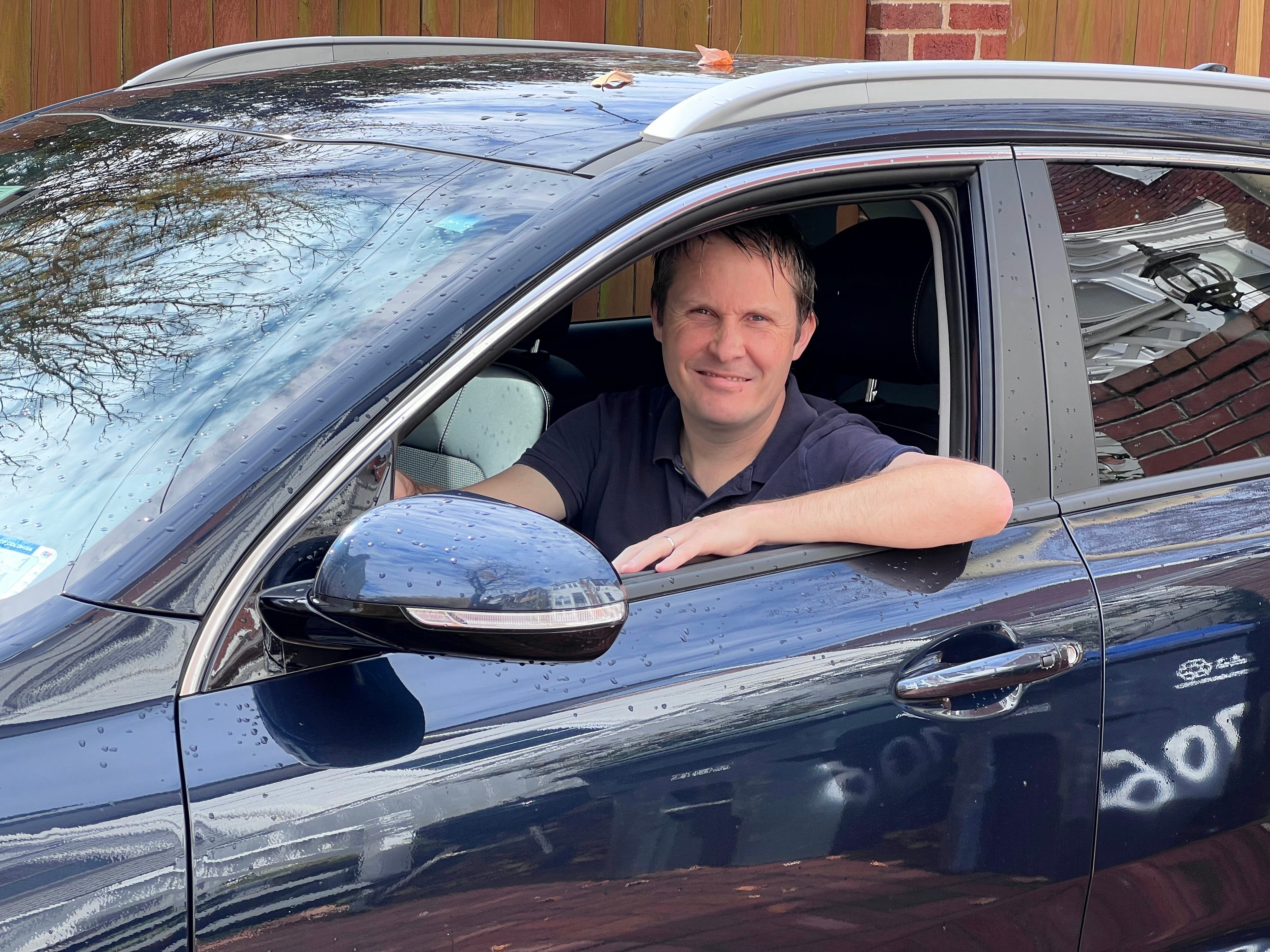
It was the Saturday night before Halloween, and I was ferrying costumed, intoxicated young adults around our nation’s capital. Shortly before midnight, I picked up a normally dressed woman in downtown D.C., who was heading home after a large fundraising dinner at the city’s convention center.
Demand was off the charts, and my passenger told me that Lyft had charged her $59 for our six-mile trip to Arlington, Virginia. I was surprised because that was far more money than I’d earned on any of the 24 trips I’d completed so far that week.
After I dropped her off, the Lyft app revealed my portion of the base fare: $16.52. My passenger added a generous $8.96 tip, for total earnings of $25.48. That made it my most lucrative trip that week. But Lyft raked in much more: $42.48.
A lot had changed since the last time I drove for Lyft as a journalistic experiment in 2014 (and wrote about it for Vox). Back then, drivers took home a standard 80 percent of a passenger’s fare, sometimes with tips and bonuses on top. Earlier this fall, I decided it was time to embed in the driver’s seat of a Lyft once again. It turned out that in recent years, the relationship between driver compensation and passenger fares has become … complicated.
After that Saturday night trip, I started asking my passengers how much they’d paid and comparing it to what I’d earned. The results were all over the map. I had two trips where I got more than 80 percent of the total fare, including tips. I had a couple of others where I earned less than 30 percent.
I wrapped up my Lyft driving experiment after a week, having completed 100 rides in 46 hours and earning $1,111. Lyft eventually sent me a report showing that passengers had paid a total of $2,139.73 for these rides, so on average I got just 52 percent of what my passengers paid.
Ever since then, I’ve been trying to figure out how Lyft could take such a big cut of passenger revenue and still fail to turn a profit—Lyft says that it lost almost a billion dollars in the first nine months of 2022. The more I’ve looked into it, the more I became convinced that it’s going to take major cost-cutting for Lyft to avoid eventual bankruptcy. I was also left asking
...This excerpt is provided for preview purposes. Full article content is available on the original publication.