They’re attacking the railways

If you value our work, consider upgrading to support us and get full access to all our writing.
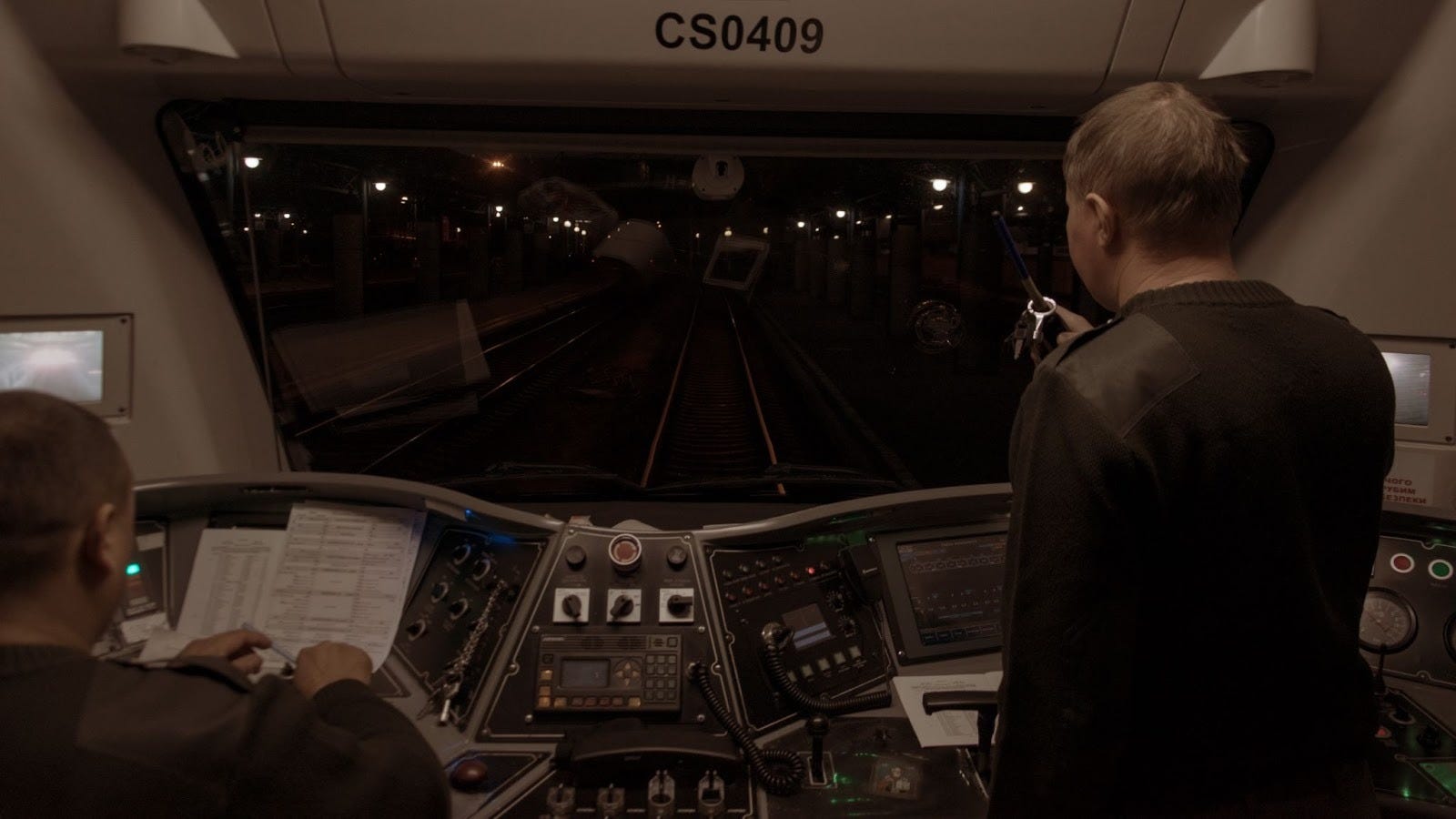
Little Oleh steps into the train driver’s cab — hundreds of buttons and levers surround him, each serving a vital function. His father, with steady and confident movements, guides the train forward. For Oleh, these were moments of pride and awe.
“Not every child can say, ‘I was in the driver’s cab and saw how everything works,’” Oleh said.
His father used to take him on trips to Mariupol, where they would go to the sea together after his shift.
Today, about 50 years later, Mariupol is occupied, and the driver’s cab no longer means magic for Oleh, but responsibility for hundreds of lives behind his back and the rescue of civilians from Russian missiles.

This harsh winter, Russia has struck not only energy infrastructure, but also transportation sites. The Russians are targeting the railways because they remain critical for moving across the country and abroad.
This week alone, Russians hit railway infrastructure in the Donetsk, Sumy, Dnipropetrovsk, and Chernihiv regions. In some of those regions, train traffic has been restricted or replaced with bus transfers. Ukraine’s airspace was closed with the invasion in 2022, and since then the railway has become the only means of transportation — apart from buses and private cars — allowing travel across the country and abroad.
Disrupting railway operations could paralyze the means by which millions of Ukrainians evacuate, receive humanitarian aid, and transport foreign delegations.
A woman was filming a selfie video and captured the moment a missile struck near a train in Dnipro in June 2025. The video was published by Kyiv Post.
Oleh first stepped into a train driver’s cab as a child, together with his father, who worked as a locomotive driver in his native Donetsk region. Later, he followed in his father’s footsteps.
“These are very emotional moments: you’re sitting in the locomotive cab, and behind you there are 4,500–5,000 tonnes of metal, and you’re in control of all of it. Later you get used to it, but the first trains stay in your memory for a lifetime,” said Oleh.
Twice, the war intruded on his work. First in his native Donetsk region, and later in Kyiv. Both experiences underscored the importance
...This excerpt is provided for preview purposes. Full article content is available on the original publication.