The “Bright Path”
Deep Dives
Explore related topics with these Wikipedia articles, rewritten for enjoyable reading:
-
Jubilee (biblical)
11 min read
The article centers on Jubilee as a 'holistic redemption metaphor' and the highlight of the chapter being discussed. Understanding the biblical Jubilee's origins, practices, and socioeconomic implications provides essential context for grasping how Indigenous theology reinterprets this concept.
-
Sun Dance
11 min read
The article mentions the Sun Dance as one of the Indigenous ceremonies used to 'think about the work of Christ.' This sacred ceremony practiced by many Plains Indigenous peoples has deep spiritual significance that readers would benefit from understanding in the context of Indigenous Christian theology.
-
Satisfaction theory of atonement
1 min read
The article critiques 'classic atonement rooted in Anselm' and its medieval honor-based framework as culturally misaligned with Indigenous worldviews. Understanding Anselm's satisfaction theory helps readers appreciate why Indigenous theologians seek alternative metaphors for Christ's work.
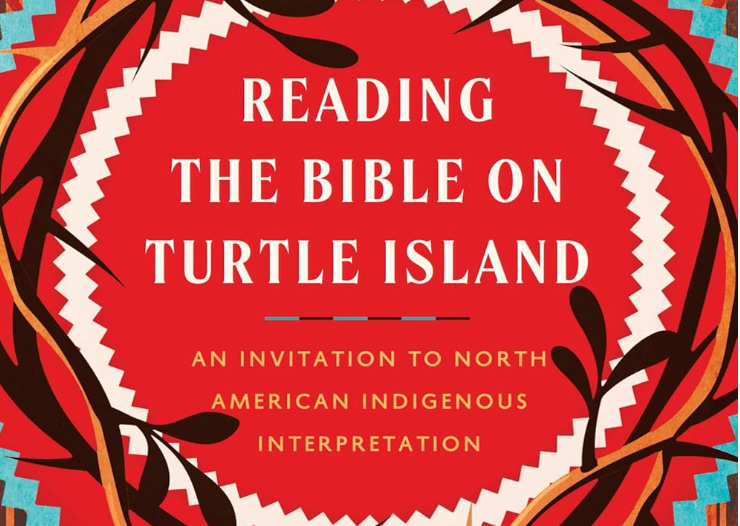
Indigenous Americans living on Turtle Island (USA) who are Christian have landed on a theory of revelation that, as I read this book, recognizes God speaking to all humans in ways that suggest religions, at various levels, probe very similar topics and thus can be revelatory. There is a greater emphasis in general revelation, then, than I find in most theology.
Chapter three in the book written by T. Christopher Hoklotubbe and H. Daniel Zacharias, Reading the Bible on Turtle Island: An Invitation to North American Indigenous Interpretation (IVP Academic, 2025), explores “reading along the bright path” and this chapter explores correlations between the Bible’s Jubilee and Indigenous beliefs and behaviors that orient life at its best around shalom and harmony in all relations, including non-human relations, that is, with all creation.
Some call this “the Harmony Way” while the authors orient the substance of the chp around “the Bright Path.” This is language about “what it means to live in a good way.” It includes respect and gratitude for all creation, the sacred roles each of us has in community, humor and play, consensus, the power of words and silence, being present, working in meaningful ways, and being generous. Hence, the Indigenous theology is shaped by wisdom, and wisdom shapes humans into shalom, which is both resolutions of conflicts as well as harmonious coexistence.
Shalom is not the idea in “Peace Like a River” but is “communal, holistic, tangible, dynamic, a constant journey, transformative, and worked out in our everyday relationships and activities with one another.”
The authors explore the evangelical sense of sin and how its presentations, not least in the Four Spiritual Laws and the boilerplate American version of gospel and personal salvation, as something that does not resonate with Indigenous beliefs. Their worldview is shaped “Around notions of coexistence, duality, and balance” and hence sin breaks shalom (C Plantinga is not cited), and they use two terms that I will turns into unmarked English: hozho and hochxo, the former is about balance for self, others, and creation, while the latter is about a life pursued at the expense of others and creation. Sin is closer to apostasy, I would say, that is abandoning the values of the community and creation.
Which leads them to explore theories of atonement without saying so. The issue here is that classic atonement is rooted in Anselm, which is rooted
...This excerpt is provided for preview purposes. Full article content is available on the original publication.