Psychologists are not legally required to affirm the gender identities of their patients
I am a licensed clinical psychologist in California who provides psychoanalytic psychotherapy to children, adolescents, and adults. Over the past few years, my practice has been dedicated to adolescents and young adults suffering from distress related to their sexed bodies and/or who identify as trans. I also treat individuals who have detransitioned, are considering detransitioning, or are confronted with the deeply painful dilemma of regretting having medically transitioned while remaining unable to detransition due to medical, financial, or other reasons. Additionally, I provide consultation and psychotherapy to parents of gender dysphoric and trans-identified youth. I collaborate with a network of mental health clinicians, medical providers (pediatricians, endocrinologists, gynecologists, etc.), legal specialists, multi-disciplinary researchers, bioethicists and others who share the common goal of ensuring compassionate, safe, evidence-based care to gender distressed and trans-identified youth.
I avoid having an online presence and therefore am writing pseudonymously for three reasons. Most importantly, many of these youth believe that anything other than immediate affirmation signals transphobia. Those who agree to see a therapist who publicly expresses concerns about gender identity ideology and medicalization are already capable of entertaining doubt. Those who might cling most desperately to their trans identity, who might go through their days with a sense of hypervigilance, are the very ones who are most in need of the consistent presence and attunement that therapy can offer. I do not want to make it any easier to be dismissed. Secondly, I have another job in addition to my private practice that requires me to not widely publicize my views. Lastly, I would rather not be harassed by activists.
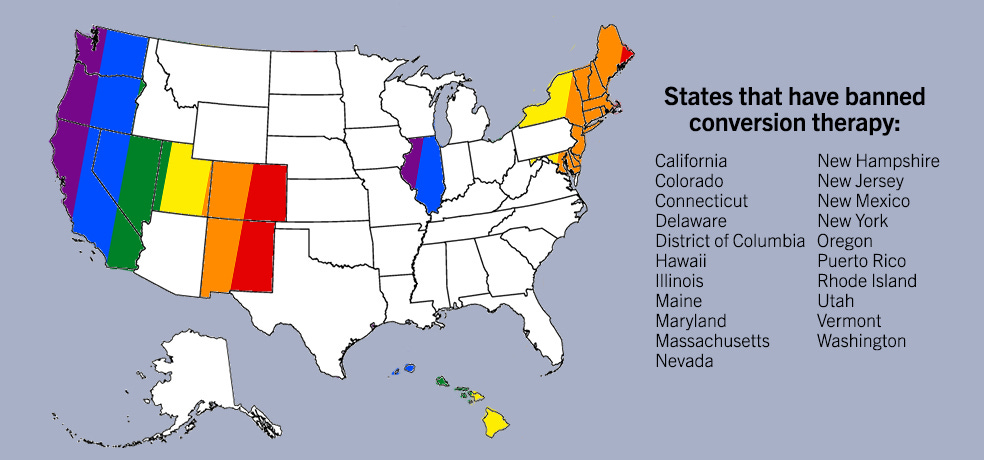
When I have expressed my concerns about the gender-affirmative model, i.e., immediate affirmation and a quick push onto the medical pathway, under my own name, I have been accused—in print, on listservs, and in conversations—by those both inside and outside of my field of of being close-minded, bigoted, anti-trans, transphobic, threatened by gender non-conformity, and/or engaged in conversion therapy. I have been interrogated for organizing clinical training presentations by professionals in my field who have pointed out the potential harms of unquestioned affirmation followed by medicalization, discussed alternative ways of thinking about what we call gender dysphoria and how to treat it, and provided information about the state of the evidence base for social transition, puberty blockers, hormones, and surgery. I have also received statements of private support from many within my field who
...This excerpt is provided for preview purposes. Full article content is available on the original publication.