Why White Americans Are Scared Of Native American Burial Grounds
Deep Dives
Explore related topics with these Wikipedia articles, rewritten for enjoyable reading:
-
Native American Graves Protection and Repatriation Act
11 min read
Central to the article's discussion of real-world burial ground desecration and the 1990 law that finally required institutions to return ancestral remains. Understanding NAGPRA's specifics, enforcement challenges, and ongoing repatriation efforts provides crucial context for the gap between fictional horror tropes and actual legal protections.
-
The Amityville Horror
12 min read
The article specifically discusses how Jay Anson and Hans Holzer fabricated claims about Shinnecock burial grounds to explain the DeFeo murders. The Wikipedia article covers the hoax's origins, the actual murders, and how the false Indigenous connection became embedded in American horror culture.
Welcome back to Hidden History Halloween, a two-week series where I uncover the colonial theft, racist exploitation, and cultural erasure lurking behind your favorite spooky season traditions. In the last article, we exposed how white newspapers invented the Snallygaster to terrorize Black communities and suppress their votes. Today, we’ll explore how America created the “cursed Indian burial ground” trope to avoid confronting genocide.
Today is Halloween, and somewhere in America, someone is watching a horror movie where a suburban family discovers their home was built on an ancient Indian burial ground. Cue the vengeful spirits, the supernatural chaos, and the white family terrorized by forces they don’t understand.
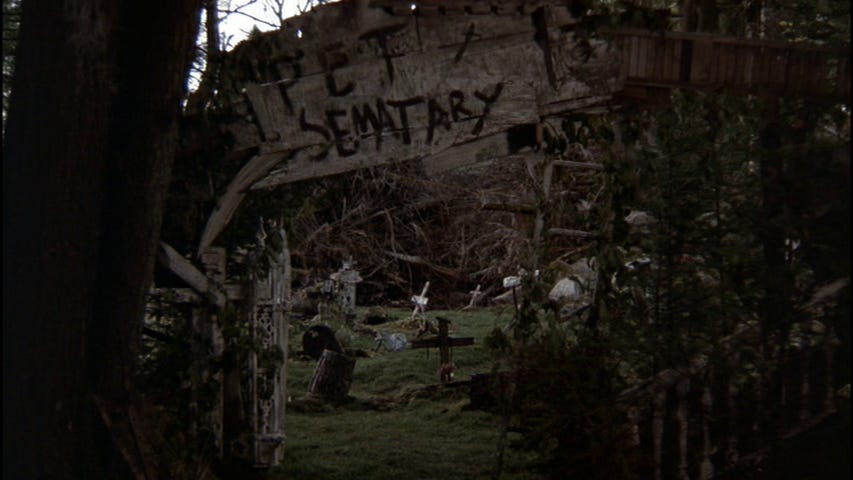
We’ve told this story so many times that the “Indian burial ground” has become a punchline. Stephen King used it in Pet Sematary and The Shining, and Poltergeist and Amityville Horror relied on it. In 2011, The Onion released a satirical video claiming the U.S. economy was failing because the nation was “built on ancient Indian burial grounds.” The joke worked because everyone immediately got the reference. The trope is embedded in our cultural DNA, but we didn’t inherit it from Indigenous cultures. We invented it, and what it reveals about white America is more disturbing than any ghost story.
I’m fighting to uncover stories like the systematic desecration of Native burial grounds.
With no corporate backing or wealthy sponsors, this work depends entirely on readers like you.
If everyone reading this became a paid subscriber, I could investigate these hidden narratives full-time, but right now less than 4% of my followers are paid subscribers.
If you believe in journalism that confronts the histories we’d rather forget, please consider a paid subscription today!
How the Burial Ground Trope Became Horror’s Default
Stephen King perfected the Indigenous burial ground trope in 1983 with Pet Sematary, which introduced readers to a cursed Micmac burial ground that resurrects the dead as violent, soulless versions of themselves. It became one of the bestselling horror novels ever published. King had already used the device in The Shining three years earlier, where the Overlook Hotel is built on a Native American burial ground, with recurring Indigenous imagery throughout the film.
Poltergeist (1982) played with audience expectations by revealing the haunted subdivision was built not on an Indian burial ground, but on
...This excerpt is provided for preview purposes. Full article content is available on the original publication.