Israel—It's Complicated
Deep Dives
Explore related topics with these Wikipedia articles, rewritten for enjoyable reading:
-
October 7 attacks
12 min read
The article repeatedly references 'October 7' as a pivotal traumatic event without fully explaining it. This Wikipedia article provides essential context about the specific attack, its scale, and immediate aftermath that forms the backdrop of everything discussed in this piece.
-
Kibbutz
12 min read
The article mentions kibbutzim being attacked and needing rebuilding, but readers unfamiliar with Israeli society may not understand these unique collective communities, their historical significance to Zionism, and why their targeting was so symbolically devastating.
-
Habonim Dror
1 min read
The author mentions being shaped by a 'progressive Zionist youth movement' and interviewing fellow alumni. Habonim Dror is the most prominent such movement, and understanding its ideology of Labor Zionism, social justice, and diaspora-Israel relations illuminates the perspective of the author's interview subjects.
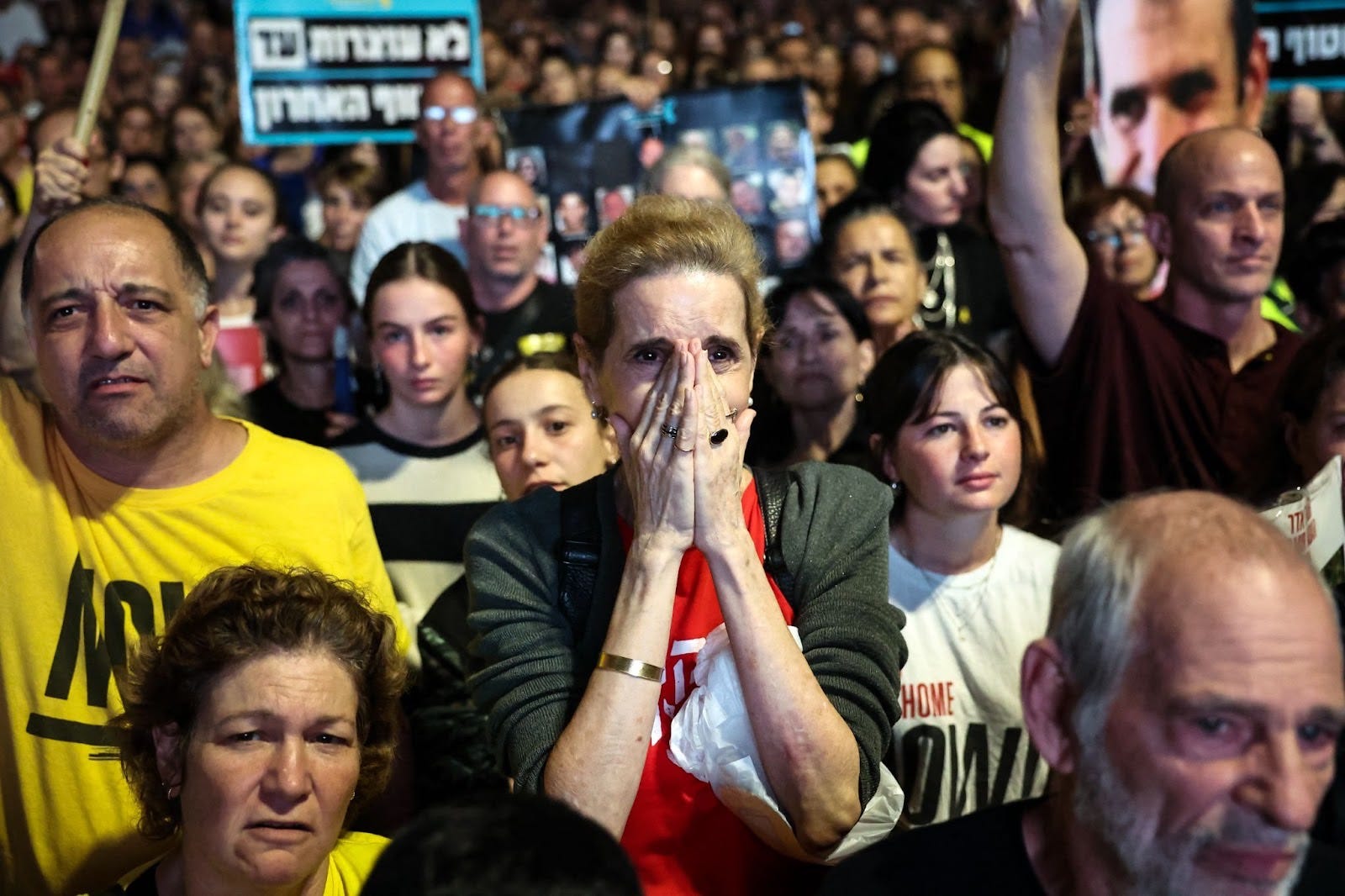
I recently returned from four weeks in Israel, a reporting trip for a book I’m writing. Two weeks in Tel Aviv, a week in the south, a week in Jerusalem. Some thirty interviews, and many informal conversations, with fellow alumni of the progressive Zionist youth movement in which I came of age, Americans who immigrated in the 1980s. Not a representative group of Israelis, but a deeply informed one, including the leader of the country’s environmental movement (who is also a former member of Knesset); the host of the most prominent English-language podcast on Israeli politics (who is also a historian and Tel Aviv city councilor); the opinion editor of The Times of Israel; the president of a major university; the head, past or present, of several leading human rights organizations; activists for feminism, religious pluralism, intergroup dialogue, and Palestinian-Israeli coexistence; educators; health professionals; and business people. Politically, they ranged from the center to the far left; religiously, from Orthodox to secular.
Plus, of course, I kept my eyes open: on the streets and at the holy sites, at a protest rally and along the roads, in suburbs, office buildings, a kibbutz. Here’s my sense of what I saw.
This is a country that is deeply traumatized, and not only because of October 7. The traumas are multiple, layered, ongoing. The trauma of October 7. The trauma of seeing images of October 7 replayed endlessly in the media. The trauma of the hostages. The trauma of urban combat, and of knowing that your loved ones are in it: of hundreds of soldiers killed, many thousands injured, many tens of thousands deployed into life-threatening situations. The trauma of repeated individual mobilizations—men in their 20s and 30s and 40s serving totals of 200, 300, 400 days—and of what the mobilizations have inflicted: the lost jobs, broken marriages, failed businesses. The trauma of waking up to discover that your country is surrounded by enemies, far more capable than you had thought, who really do want to murder every last one of you. The trauma of rockets and missiles and drones being aimed at your head, of air raid sirens, of wars within wars. The trauma, for liberals and leftists, academics and artists, of betrayal by your former allies
...This excerpt is provided for preview purposes. Full article content is available on the original publication.