How AI Nerds Became the Perfect Political Puppets
Deep Dives
Explore related topics with these Wikipedia articles, rewritten for enjoyable reading:
-
Eurofighter Typhoon
1 min read
Linked in the article (72 min read)
-
Technocracy
13 min read
The article's central thesis explores the tension between technical expertise and political engagement - understanding the historical technocracy movement provides crucial context for the recurring pattern of engineers believing technical solutions can bypass politics
This is the third part (paid) of a five-part essay on the psychology of AI nerds. They are intended to be read in order (introduction included in part 1). The fourth part—IV. Legibility—comes out tomorrow. Here are the previous parts:
AI Nerds Are People Who Like Everything — I. Overexistence (free)
AI Nerds Want Out And They’re Taking Us With Them — II. Escapism (paid)
III. Apoliticality
AI nerds don’t think the world can fix them—so far, as we saw earlier in parts 1 and 2, their experience has been pretty consistent on this point—and so they reject this planet we call home and also any instrumental mechanism that promises, in some way or other, that it can change to accommodate them.
That’s why AI nerds seem to hate politics—or rather, technical people do, for this is a broader sentiment. That’s why they dismiss the saying that “everything is politics.” They kill two birds with one stone: they shut down any potential hope before it aggravates their social suffering and, simultaneously, devote all their time to yet another form of escape: fixation and obsession.
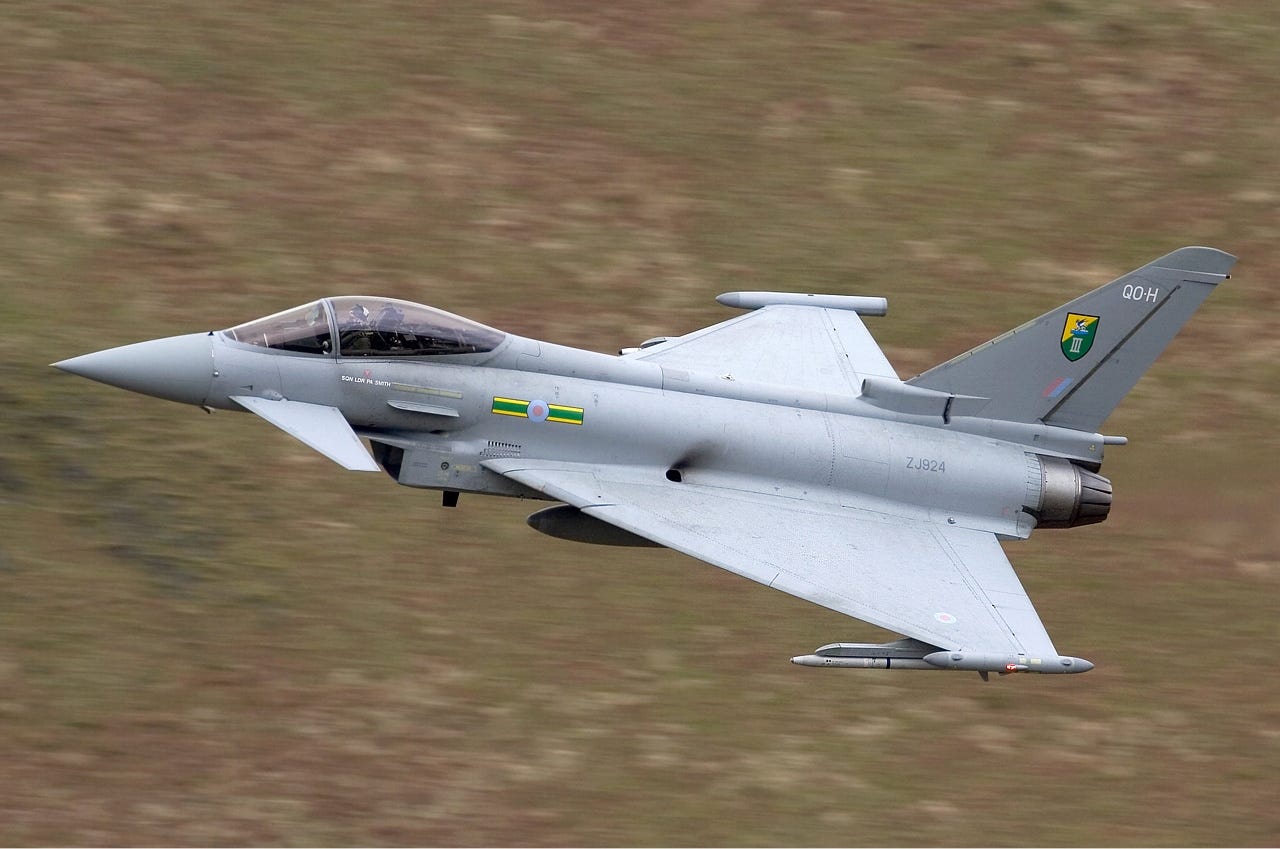
I remember my time as an undergraduate at the aerospace engineering faculty; I had never known then, or since, a group of people so detached from the real world yet so concerned with making it a better place. In my specialty, aerospace vehicles, we used to dream of squeezing more speed out of the engine by tweaking alloys in the turbine blades or swapping in a sliver of carbon composite or something equally nerdy, but seldom would we wonder, aloud or otherwise, why Airbus needed faster Eurofighter Typhoons in the first place.
Then I’d switch on the news at home and realize the warplanes on which we participated, albeit only indirectly as oblivious students without a clue of how the world works, had been deployed in Syria, Yemen, and Afghanistan.
Five years immersed in that environment, drunk on that cocktail of candor, naivete, and blind predisposition, led me to a haunting epiphany: the people who end up in politics are the worst suited for the task (almost a platitude to those versed in being a voting adult). You’ve heard that “power corrupts,” but the truth is closer to “power selects for the corruptible.” People pure enough to do it well (well for the people, not themselves), who
...This excerpt is provided for preview purposes. Full article content is available on the original publication.