Management as AI superpower
I just taught an experimental class at the University of Pennsylvania where I challenged students to create a startup from scratch in four days. Most of the people in the class were in the executive MBA program, so they were taking classes while also working as doctors, managers, or leaders in a variety of large and small companies. Few had ever coded. I introduced them to Claude Code and Google Antigravity, which they needed to use to build a working prototype. But a prototype alone is not a startup, so they used ChatGPT, Claude, and Gemini to accelerate the idea generation, market research, competitive positioning, pitching, and financial modelling processes. I was curious how far they could get in such a short time. It turns out they got very far.
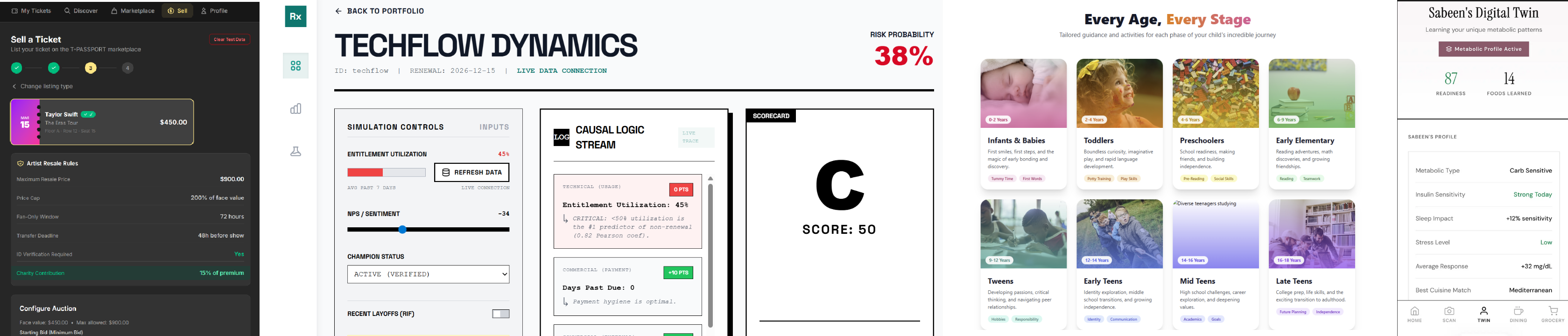
I’ve been teaching entrepreneurship for a decade and a half, and I've seen thousands of startup ideas (some of which turned into large companies) so I have a good sense of the expectations for what a class of smart MBA students can accomplish. I would estimate that what I saw in a couple of days was an order of magnitude further along the path to a real startup than I had seen out of students working over a full semester before AI. Most of the prototypes were not just sample screens but actually had a core feature working. Ideas were far more diverse and interesting than usual. Market and customer analyses were insightful. It was really impressive. These were not yet working startups nor were they fully operational products (with a couple exceptions) — but they had shaved months and huge amounts of money and effort from the traditional process. And there was something else: most early startups need to pivot, changing direction as they learn more about what the market wants and what is
...This excerpt is provided for preview purposes. Full article content is available on the original publication.