June Longevity Research Newsletter
Introduction
Welcome back, Vitalians! This month we’re celebrating VitaDAO’s 3rd birthday! It’s been an exciting journey, and we’re thrilled to share our progress and future plans with you. In the past three years, VitaDAO has evaluated over 200 projects, funded 23, and deployed over $4.5 million USD in funding.
In June 2023, VitaDAO launched the first intellectual property token pool, offering governance to the VitaDAO community (VITA-FAST). Building on this momentum, VitaDAO has since introduced a second intellectual property token (VITARNA), marking another significant milestone in our mission.
As we look forward, we're more excited than ever about the future and our role in advancing the longevity field. The best is yet to come, and we can't wait to share 100 more birthdays with all of you!
As we celebrate another milestone, let's dive into the fiery debate that has our interviewees and experts in the field at odds: "Is aging a disease?" - our most hated question in the whole interview. The responses ranged from diplomatic nods to outright defiance, making this one of our most engaging topics yet. While some argue that aging is a natural process, others see it as a gateway to disease, begging the question—can we treat aging itself? Find a snapshot of where they clash and converge below as well as the answers from many aging scientists.
Longevity Literature Hot Picks

Preprint Corner in collaboration with

The Longevist is a preprint overlay journal spotlighting the most promising longevity studies each quarter.
Check out these latest preprints, which have all been entered into the 2Q24 longlist to be in the running to receive a coveted place in The Longevist. As always, you can refer preprints for consideration in The Longevist and the person who recommends the highest-voted preprint of the quarter will receive a prize of 200 VITA!
Neuron-type specific aging-rate reveals age decelerating interventions preventing neurodegeneration
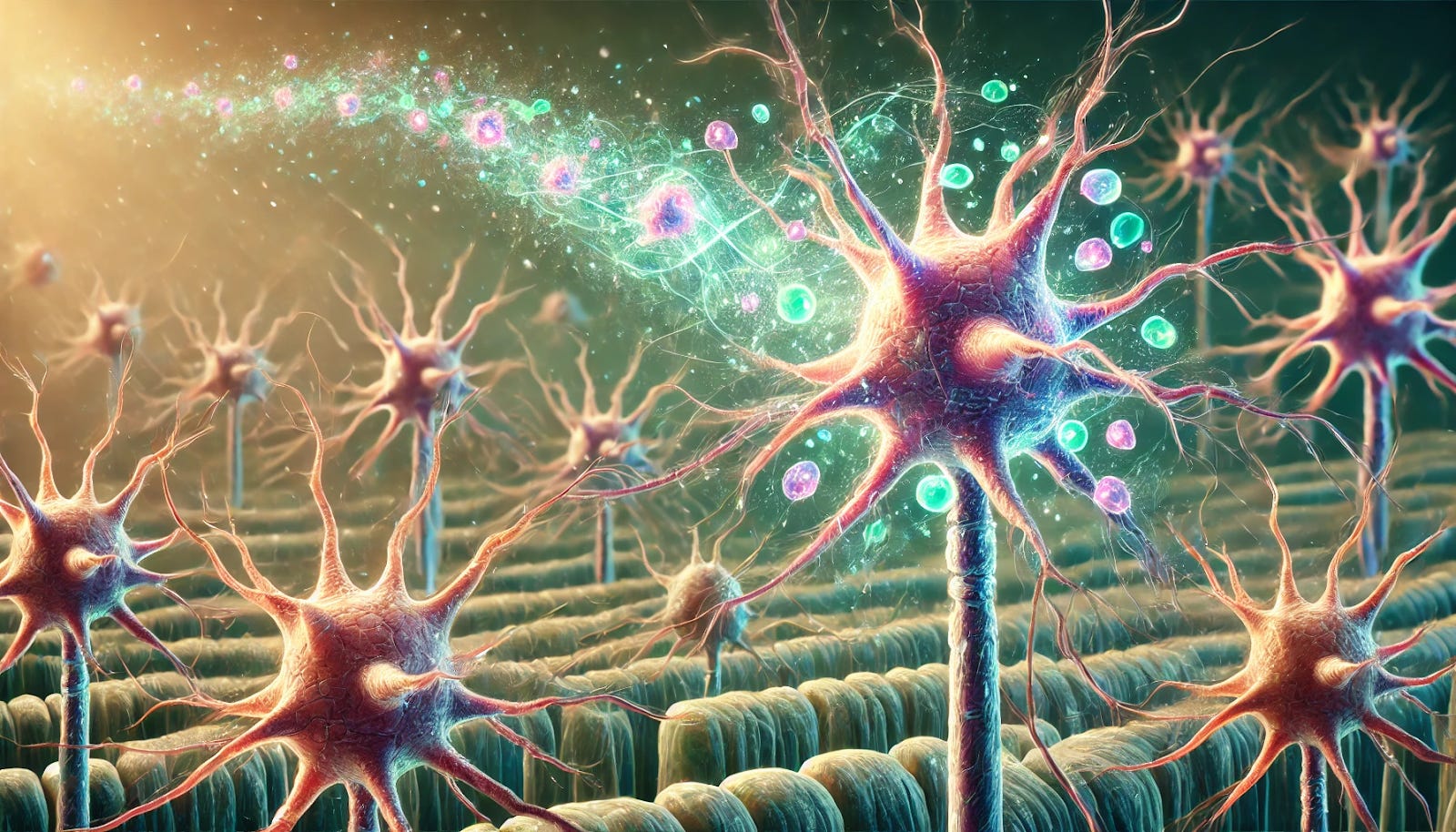
Circadian clock disruption and lack of sleep harm cells and organs by activating the DREAM complex, which de-regulates essential cellular processes. Inhibiting DREAM restores cellular health and homeostasis despite persistent clock dysfunction, making it a potential therapeutic target for mitigating the adverse effects of circadian disruptions.
Long-term NMN treatment increases lifespan and healthspan in mice in a sex dependent manner
Nicotinamide adenine dinucleotide (NAD) is crucial for various enzymatic reactions, including energy metabolism and DNA repair, and its levels can decline significantly with age.
...This excerpt is provided for preview purposes. Full article content is available on the original publication.