How Codex is built
More than a million developers use OpenAI’s command-line coding interface every week. Named Codex, usage has increased 5x since the start of January, the team tells me. In the first week of February, OpenAI launched the Codex desktop app, a macOS application that CEO Sam Altman calls “the most loved internal product we’ve ever had”. A few days later, OpenAI shipped GPT-5.3-Codex, which they describe as the first model that helped create itself.
Personally, I’ve been warming up to Codex since doing an interview for The Pragmatic Engineer podcast with Peter Steinberger, the creator of OpenClaw, in which he revealed that he writes all of OpenClaw with Codex, preferring longer-running agentic loops. Update: on Monday, Peter announced he is joining OpenAI to work on building next-generation agents. It’s a major win for OpenAI and the Codex team, while OpenClaw remains independent and open source. Check out my podcast with Peter in his first in-depth interview, around when OpenClaw (back then: Clawd) was getting massive momentum.
To find out how Codex was built, how teams at OpenAI use it, and what effect it’s having on software engineering practices at the ChatGPT maker, I spoke with three people at OpenAI:
Thibault Sottiaux (Tibo), head of Codex.
Shao-Qian (SQ) Mah, researcher on the Codex team who trains the models that power it.
Emma Tang, head of data infrastructure, who isn’t on the Codex team but whose team uses Codex heavily.
This deep dive covers:
How it started. From an internal experiment in late 2024, to a product used by more than a million devs.
Technology and architecture choices. Why Rust and open source? In-depth on how the agent loop works.
How Codex builds itself. Codex itself writes more than 90% of the app’s code, the team estimates.
Research. Training the next Codex model with the current one.
Codex usage at OpenAI. Using it has transformed another team there.
How software engineering is changing at OpenAI. According to those living through it.
Next steps. GPT-5.2 step change, the capability overhang, and where Codex goes next.
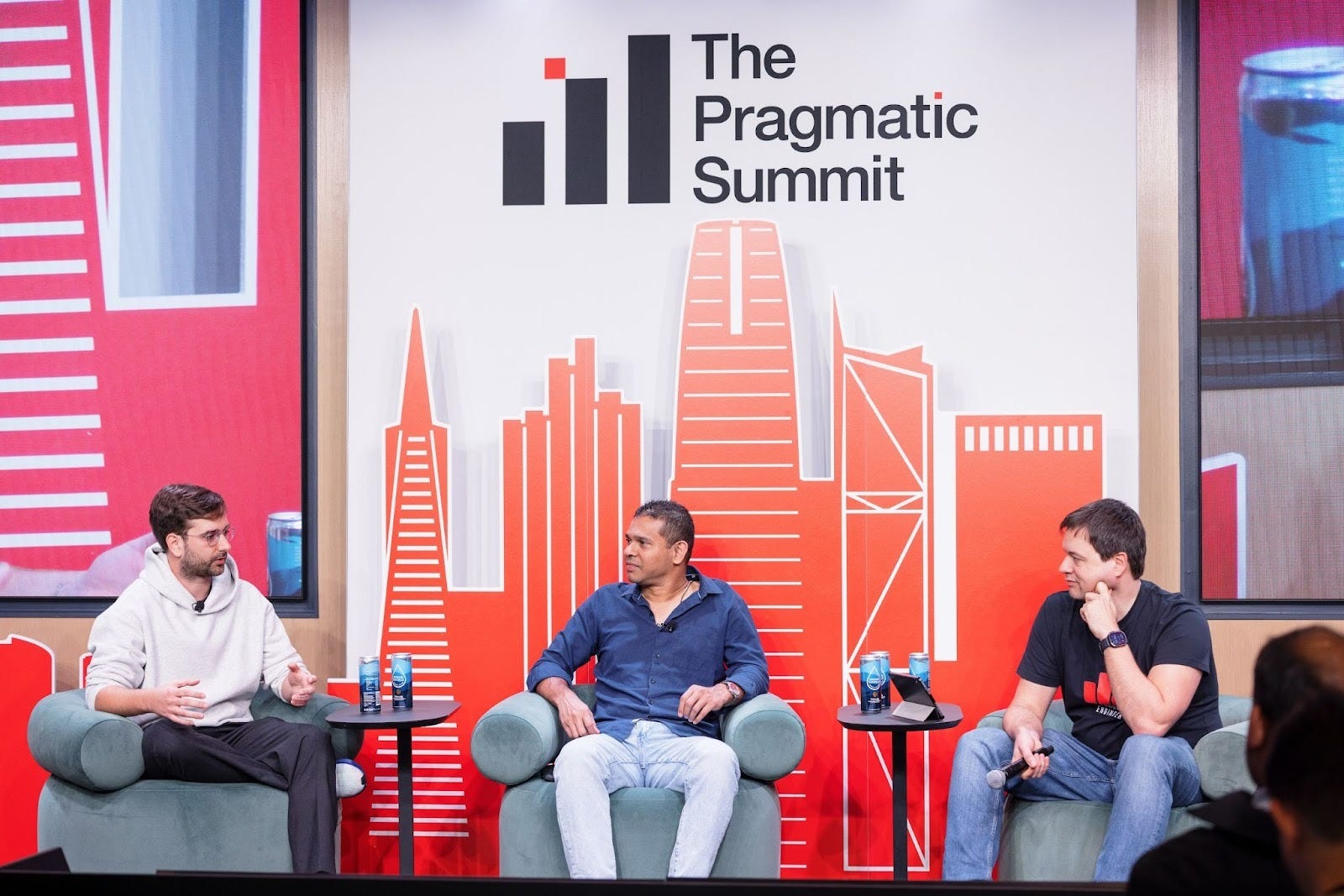
Last week’s debut Pragmatic Summit, in San Francisco, featured a fireside chat with Tibo, myself, and the audience, and featured new details about how Codex is built. Paid subscribers can watch this recording now. Free subscribers will get access to all videos from the Pragmatic Summit in a couple of weeks.
This excerpt is provided for preview purposes. Full article content is available on the original publication.