It's Probably Good That Pitchfork Is Doing Comments And Reader Scores
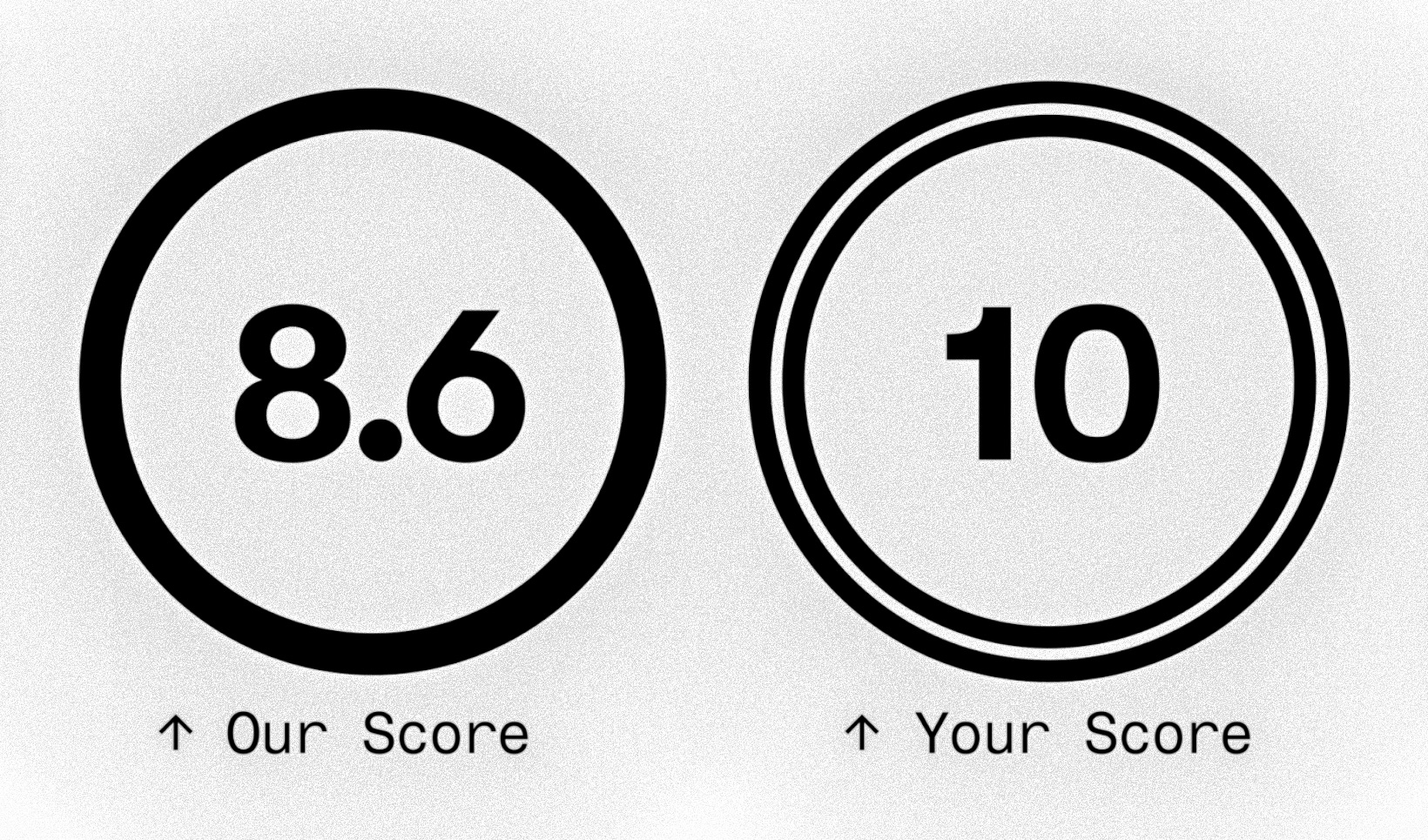
A long time ago, Pitchfork had an official message board. It was called “Pitchfork Media Smackdown,” and I posted there a little bit when I was a teenager. Around the turn of the millennium, when record industry revenues were peaking, there was a pretty robust ecosystem of music-based forums on the internet, but they were expensive to maintain and difficult to moderate. Trying to keep one going long-term was like trying to run your own personal social media platform, and few people had the temerity to attempt that while simultaneously trying to run a music website or succeed as a recording artist. So, in the early aughts, a lot of official, brand-sanctioned forums were shut down, and Pitchfork’s was no different.
Pitchfork Media Smackdown actually survived without Pitchfork’s direct support when users organized their own replacement forum, and a version of it continues to persist today under a different name, but that’s a story for another time. The important context for this post is that after the official version of PFMS went dark, Pitchfork never again permitted the existence of anything that could be described as a public comments section. Their editorial voice remained singular. If you wanted to quibble with their scores, you had to go somewhere else.
In the aughts, “somewhere else” could mean a lot of different things. There were forums dedicated to particular artists, like the one attached to the Radiohead fan site atease, or Collected Animals. There were Pitchfork competitors like Stylus or Coke Machine Glow. Some writers, both of the professional and aspirational variety, talked shop on a barebones UK-based forum called I Love Music. Others would eventually congregate on Tumblr, which was, for a time, a hotbed of influential music criticism. Today, there are Discord servers, well-moderated subreddits, and stubbornly free-standing websites like Rate Your Music and Sputnik.
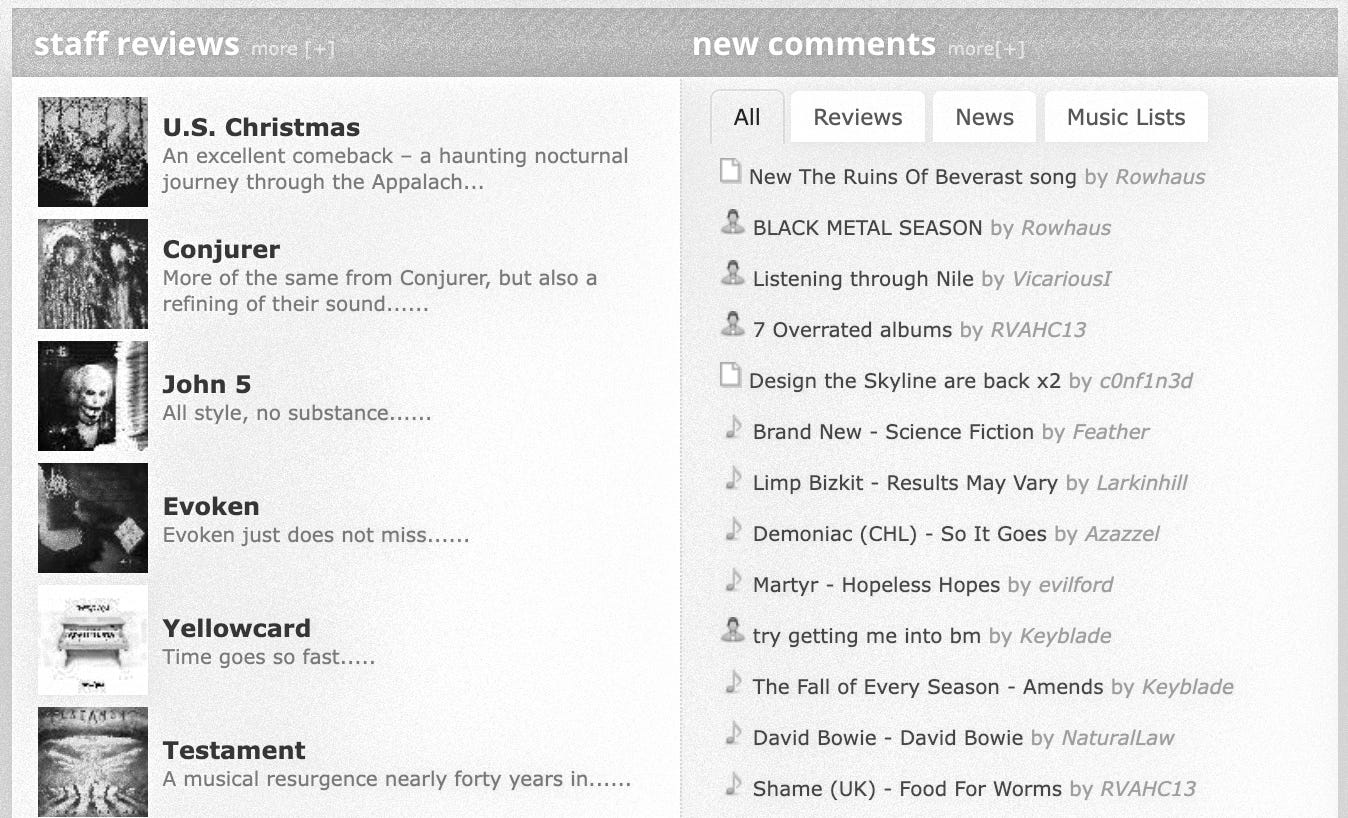
Many of these communities would spawn writers who would go on to write for Pitchfork proper, but the site’s editorial voice projected an authority that boomed out over the entire landscape, making each individual faction feel small by comparison. I think that’s part of the reason why today, the default sentiment expressed toward Pitchfork reviews on social media is adversarial. For decades now, the discourse has been populated by people who see Pitchfork as an inaccessible monolith that’s always talking over them. It doesn’t occur to them to see individual
...This excerpt is provided for preview purposes. Full article content is available on the original publication.