How Are The Pacific Island Countries Benefiting From The China-Taiwan Chequebook Diplomacy
When two parties are fighting over something, the third party takes it all -Polish Proverb
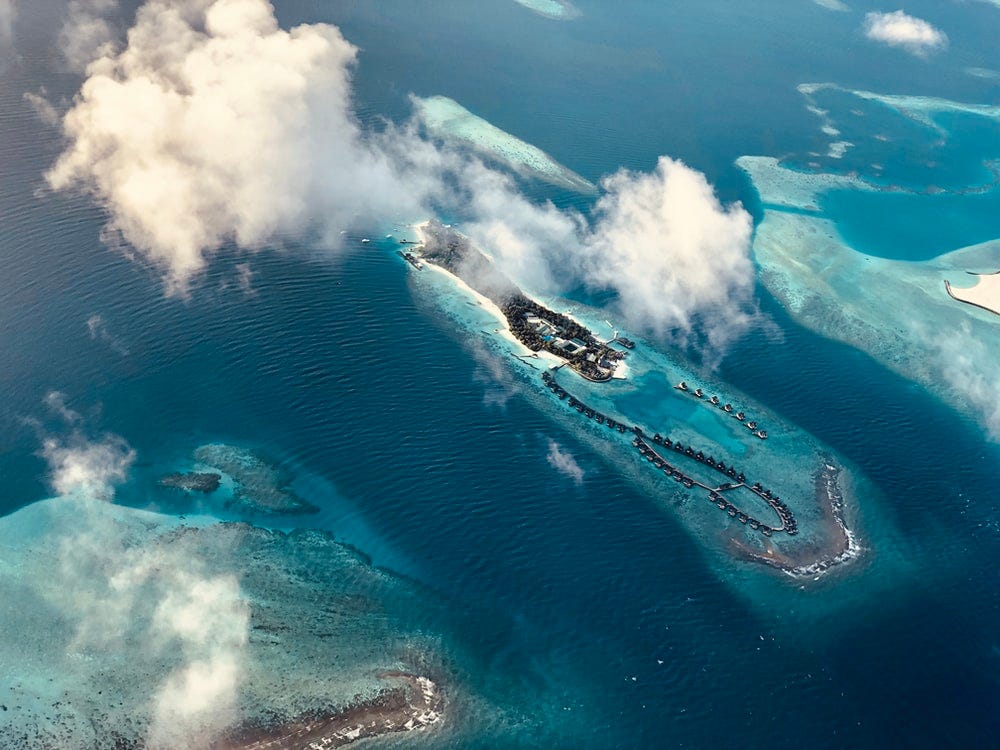
The Pacific Island Countries, excluding New Zealand, consisting of 14 small island countries with a cumulative population of only 2.3 million people. Along with their population, when you consider their geographic size and placement, you realise that outside help in the form of aid is crucial to their growth as nations.
According to the World Risk Index of 2019, the Pacific Island countries are the most vulnerable to natural disasters and the effects of climate change. Five of these countries are ranked as in the list of 20 most at-risk countries in the world. Hence, no matter how small a country, but if the island nation of Tuvalu were hit with a natural disaster, the eleven thousand citizens of that country would take years to get the country back to normal without aid, because for such a small population this country is not quite that small.
Some of the other major issues that these nations face that makes it crucial for them to depend on foreign aid are:
Limited natural resources
Narrow based economies
Large distance from and major markets
Vulnerable to external shocks such as wars and epidemics
While the largest donor over the years has been Australia as these countries directly and indirectly (through the trade routes that go through their waters) contribute to Australia’s GDP, China has been playing catch up and is currently ranked third just behind the United States with Taiwan also making regular contributions.
So what has got China and Taiwan interested in providing aid to the Pacific Islands countries
A small detour to the China Civil War
To understand China’s interest, a country with over 1.4 billion people and robust economic growth, in the Pacific Island Countries we need to go back in time to the Chinese Civil War and the events that took place subsequently.
Without getting into too many details, the Chinese civil war lasted almost 22 years and ended in 1949 with the Communist Party of China (CPC) coming out victorious. This meant that the Chinese Nationalist Party (CNP) lost control of mainland China and was forced to retreat to Taiwan, also known as the Republic of China (ROC).
At this time, the governments in both countries, the PRC in mainland China and the ROC in Taiwan,
...This excerpt is provided for preview purposes. Full article content is available on the original publication.