Less WFH, more Lime, slower buses
Deep Dives
Explore related topics with these Wikipedia articles, rewritten for enjoyable reading:
-
Congestion pricing
18 min read
The article discusses London's struggle with road pricing schemes and the political fallout from ULEZ. Understanding the history and economics of congestion pricing globally would give readers context for why this policy is so contentious yet effective.
-
Elizabeth line
12 min read
The article highlights the Elizabeth line's success with 800,000 daily passengers. The Wikipedia article covers the decades-long Crossrail project history, engineering challenges, and cost overruns that make this infrastructure achievement significant.
-
Vision Zero
13 min read
The article discusses Sadiq Khan's road safety targets and the frustration around reducing casualties. Vision Zero is the Swedish-originated road safety philosophy underlying these targets, with rich history on how different cities have implemented it.
It’s the most wonderful time of the year for people who like to understand how the capital actually works: the release of Transport for London’s big annual report on the state of the city.
We’ve been digesting its findings and looking for the tiny nuggets that others might miss, celebrating what’s sure to be the biggest talking point shaping politics this week. Because if you can understand the trends in how Londoners are getting around, you can tell where we’re heading as a city.
Bosses are forcing London’s workers back to their offices
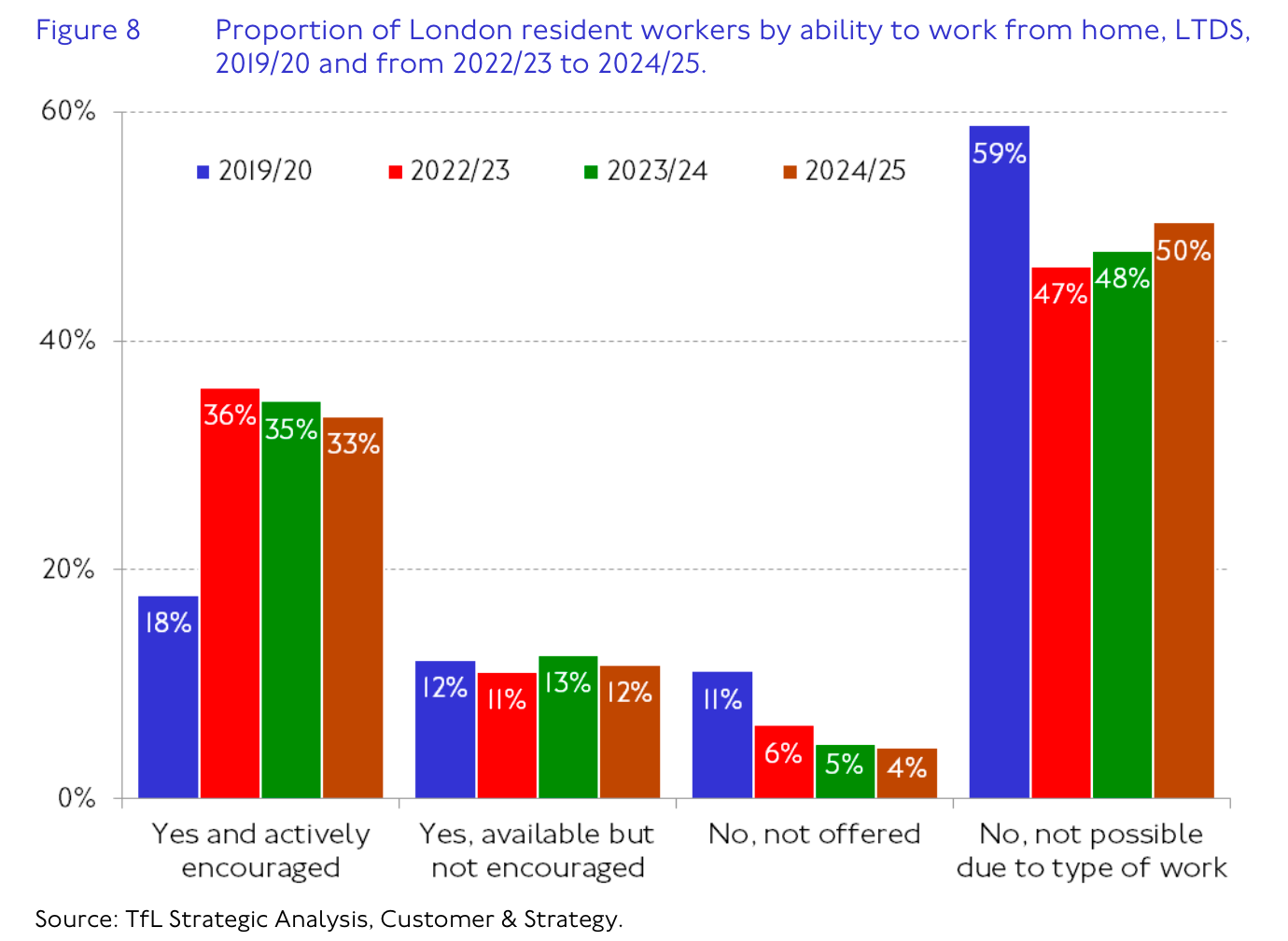
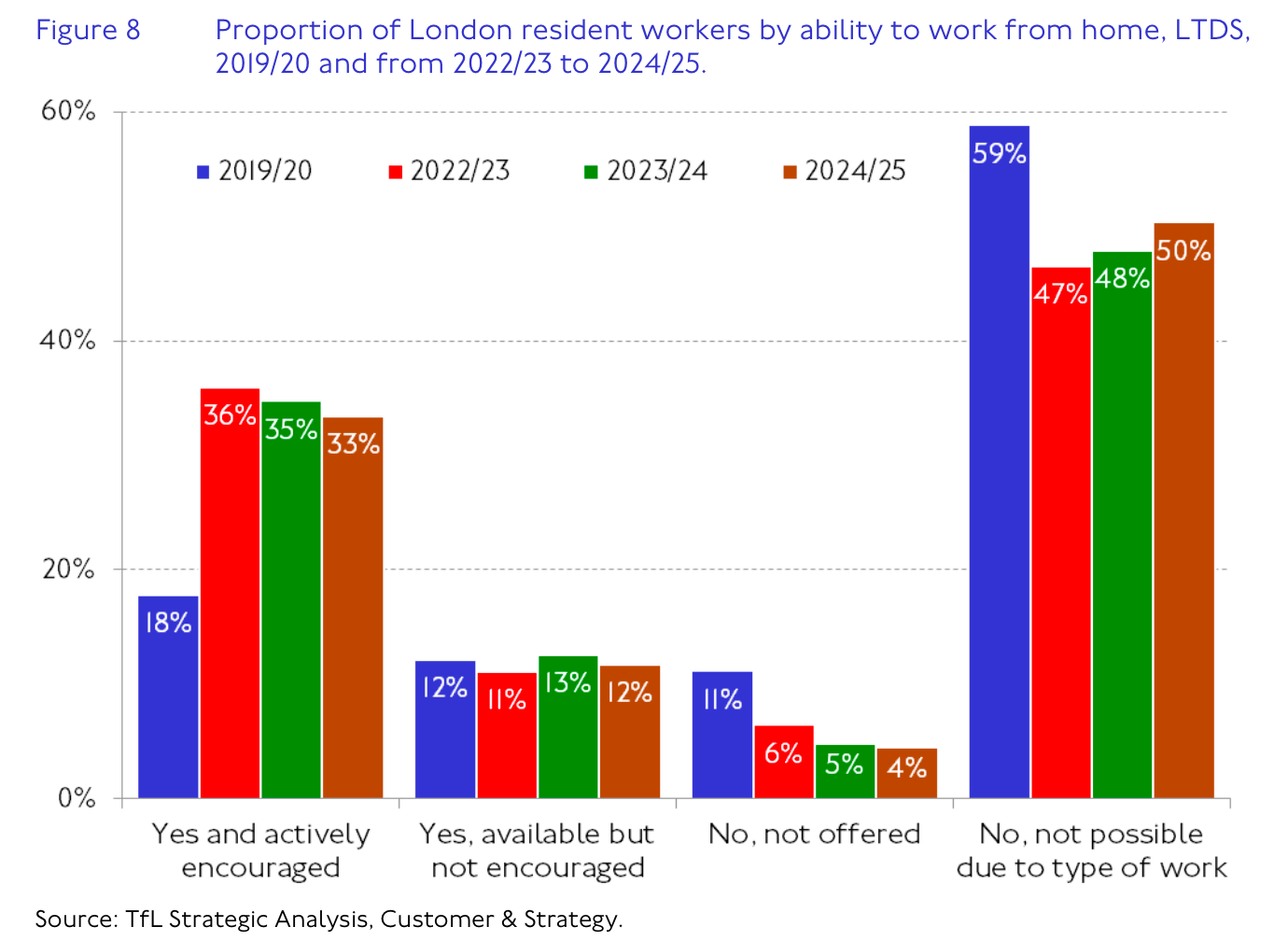
The pandemic is receding into the middle distance and office workers are increasingly being asked to start commuting again. Just a third of Londoners now say they are actively encouraged to work from home, indicating a steady decline that is pushing working people back out onto trains, tubes, and bicycles.
The Lime bike takeover of London is doing more than anything else for getting people cycling
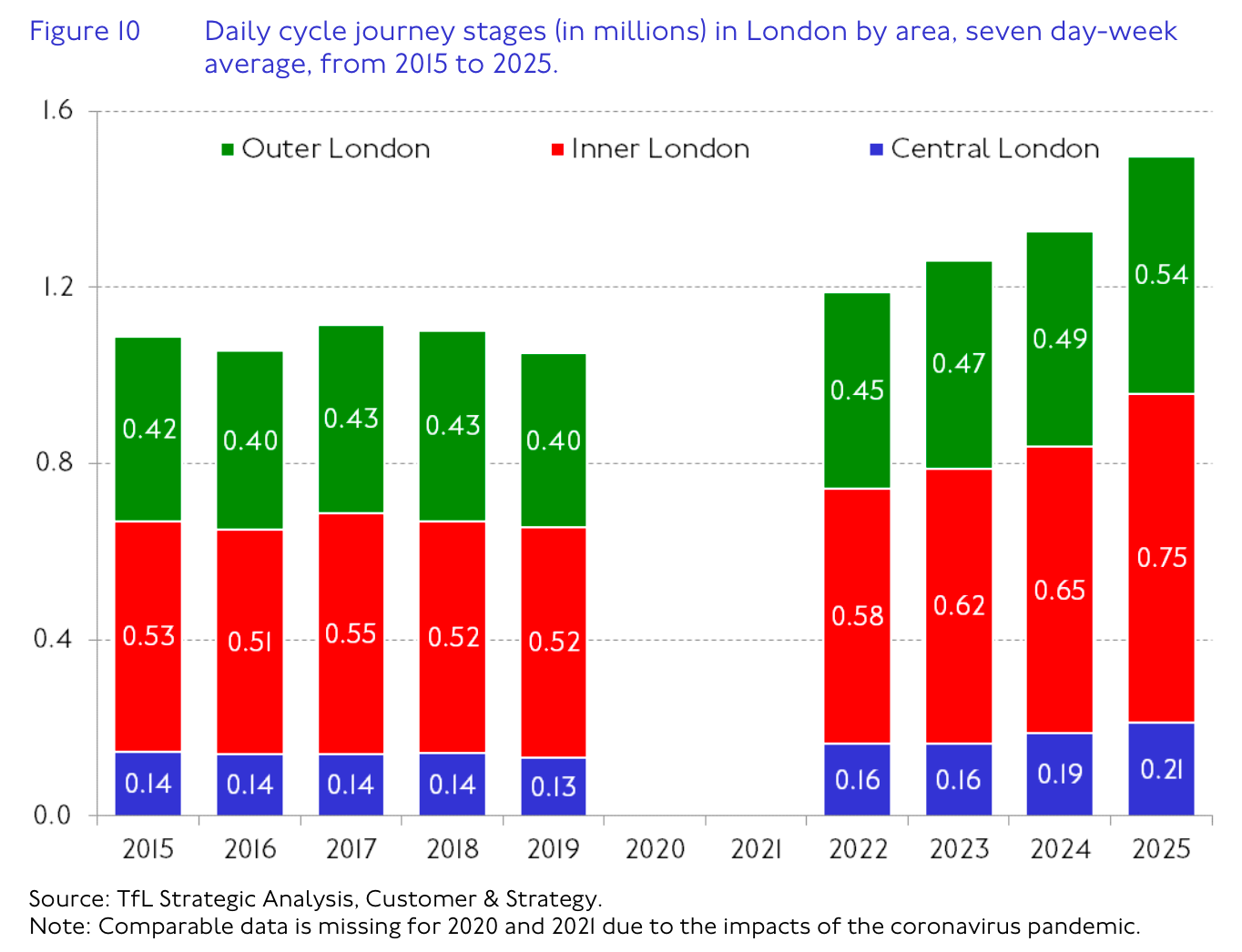
Yes, they may break your leg if you fall off at an awkward angle. Yes, they beep (although that seems to have been largely fixed since the summer). Yes, they are run by a largely unaccountable US tech company that’s fighting attempts at regulation. But it’s increasingly clear that the rise of the Lime e-bike is one of the key factors behind the booming number of daily cycle journeys in the capital.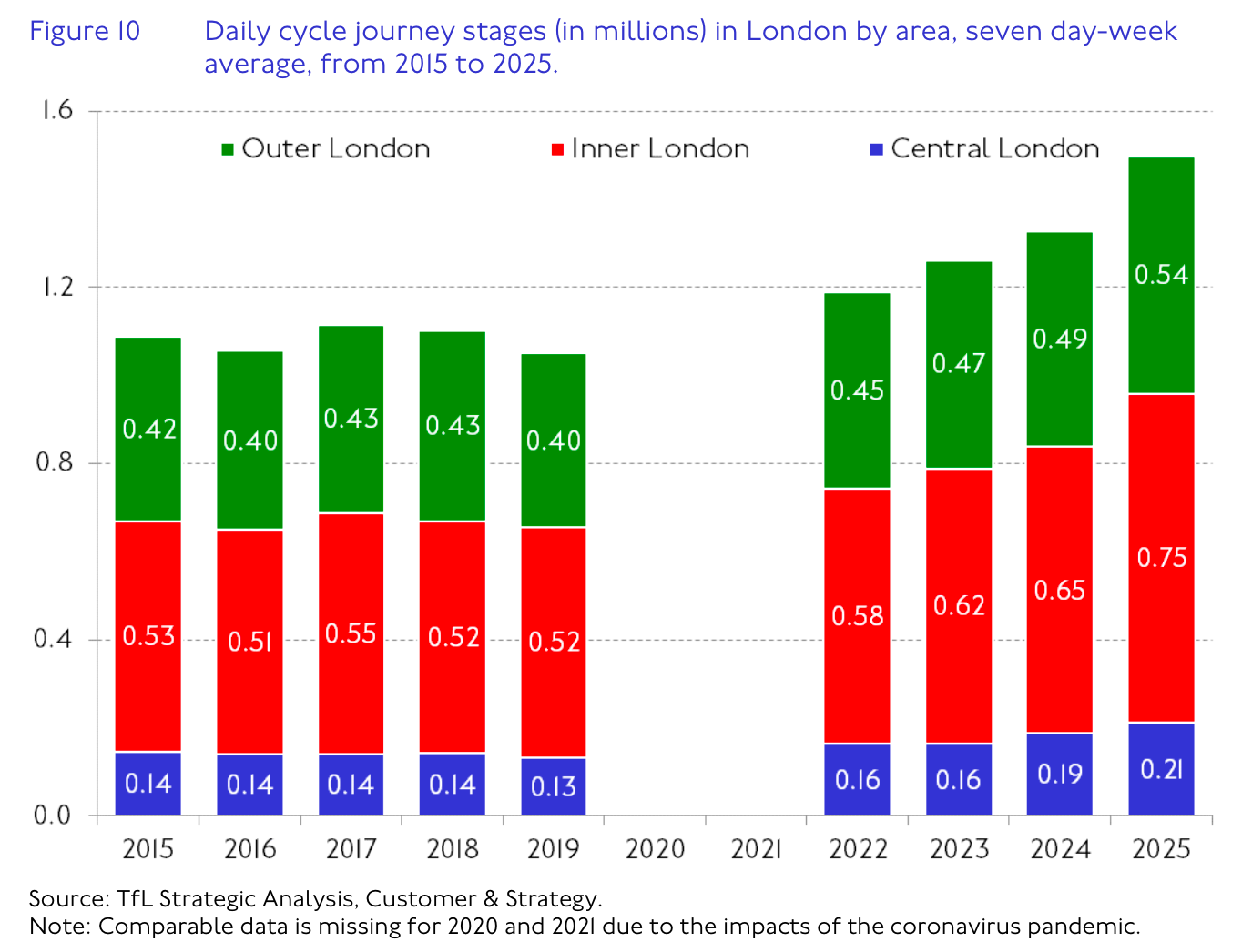
TfL estimated that a tenth of the 1.5m daily cycle journeys in the capital are now made using a dockless e-bike, a method of getting around that barely existed before the pandemic. That’s equivalent to around 150,000 journeys a day on vehicles run by Lime and its smaller rivals such as Forest and Voi.
The suspicion within TfL is that, due to issues with survey methodology, the real number of rental e-bike journeys is far higher — although Lime is so secretive it won’t even confirm how many bikes it has on London’s roads.
The groundwork for all of this was laid by more than a decade of investment in cycle lanes, starting under Boris Johnson’s mayorlty and continued under Sadiq Khan, which made people feel safer on the roads. The upgraded Cycleway network is used for a third of cycle journeys even though it only makes up a tiny proportion of potential routes. But there’s no doubt at TfL that rental e-bikes are playing a key role in ...
This excerpt is provided for preview purposes. Full article content is available on the original publication.