The War on Drugs Is Back in the Caribbean, And Bodies Are Washing Ashore
Deep Dives
Explore related topics with these Wikipedia articles, rewritten for enjoyable reading:
-
United States invasion of Panama
13 min read
The article directly references Operation Just Cause and the 1989 Panama invasion as a key precedent for using drug enforcement to justify military action in Latin America. Understanding the full context of this operation—including Noriega's CIA ties and civilian casualties—provides essential historical background.
-
Plan Colombia
11 min read
The article mentions Plan Colombia as a $10 billion aid package marketed as anti-drug enforcement that actually funded military operations against leftist guerrillas. This program exemplifies the pattern of using drug war rhetoric for geopolitical objectives that the article argues is repeating today.
-
United States invasion of Grenada
12 min read
The article dedicates a section to the 1983 Grenada invasion as a model for Caribbean intervention, describing Reagan's Cold War justifications for overthrowing a small island nation's government. This historical parallel illuminates the long pattern of U.S. military action in the Caribbean region.
The first body washed up on a beach in Trinidad with burn marks across its face and limbs torn off by an explosion. Days later, another corpse appeared nearby. It was so mangled that villagers couldn’t recognize the face, and its right leg was gone. Vultures circled overhead as locals tried to make sense of what they were seeing.
No one knows who these men were, and no government has claimed them. Trinidad’s forensic center couldn’t perform autopsies on bodies too decomposed to identify. Funeral homes near the capital now store the corpses, unclaimed and unnamed, while officials refuse to investigate further.
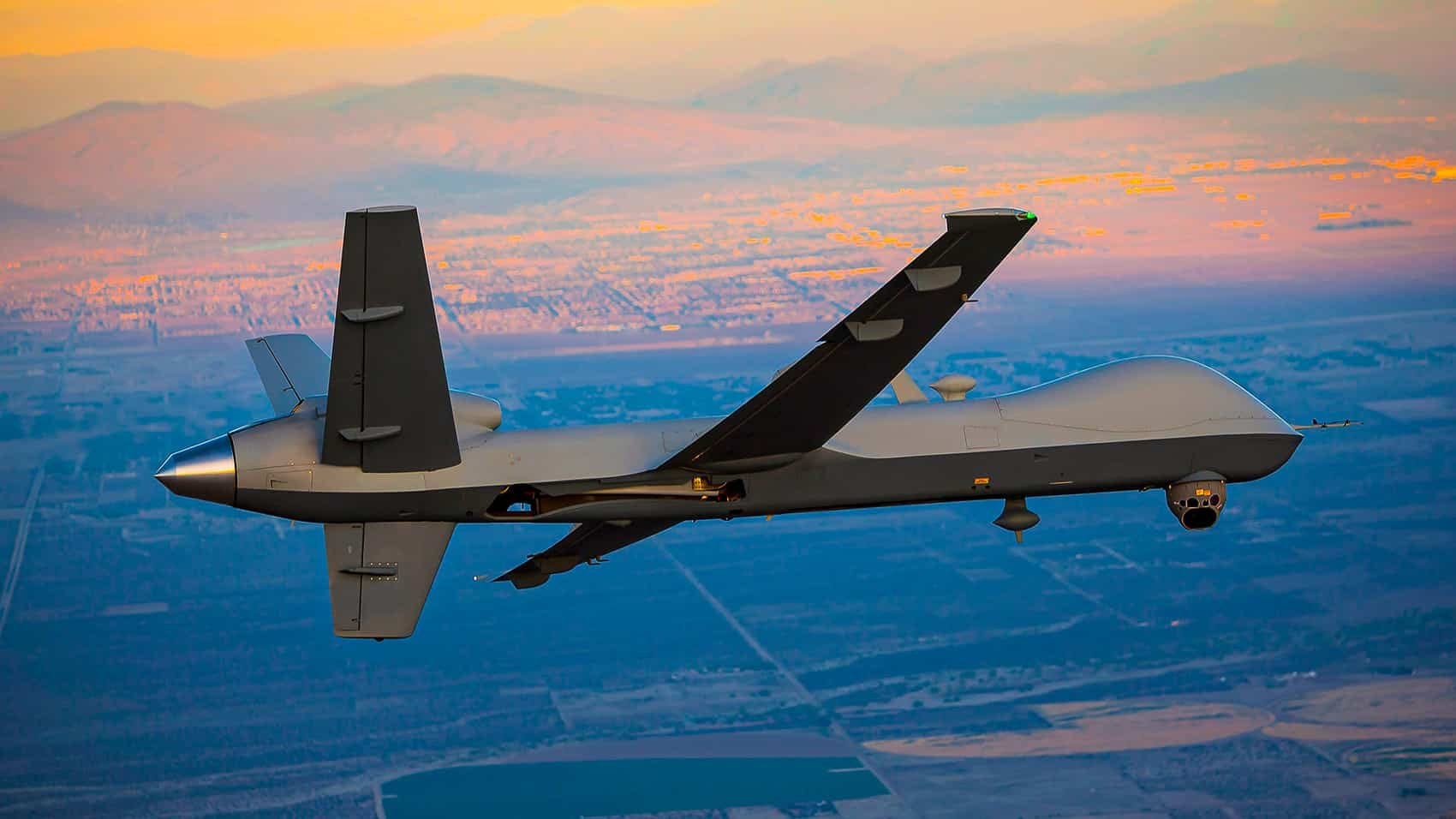
Since September, the U.S. military has killed at least 67 people in 16 strikes on boats in the Caribbean Sea and eastern Pacific Ocean. The Trump administration calls them “narco-terrorists” trafficking drugs, but has provided no evidence of narcotics on board, no judicial review, and no public accounting of who died. Defense Secretary Pete Hegseth posts grainy drone footage of boats exploding into flames on social media like highlight reels, which they claim counts as proof.
Trinidad’s beaches have become dumping grounds for America’s undeclared war.
I’m fighting to document these military strikes before they’re normalized as just another front in America’s forever wars.
With no corporate backing or wealthy sponsors, this work depends entirely on readers like you.
If everyone reading this became a paid subscriber, I could investigate these warning signs full-time, but right now less than 4% of my followers are paid subscribers.
If you believe in journalism that questions military action when others wave flags, please consider a paid subscription today!
The Current U.S. Military Campaign
The U.S. has deployed an aircraft carrier, guided-missile destroyers, amphibious assault ships, drones, and thousands of troops to the region, in what amounts to the largest American military deployment in Latin America in decades. The strikes have killed people in clusters, from two to fourteen in each operation.
Trump announced the first strike on September 2, claiming the boat belonged to Tren de Aragua, a Venezuelan gang he designated as a terrorist organization. He posted footage of the explosion on Truth Social with the caption: “Let this serve as notice to anybody even thinking about bringing drugs into the United States of America. BEWARE!” That strike killed eleven people.

This excerpt is provided for preview purposes. Full article content is available on the original publication.