LAST SPLASH as the ür-text of 90s modern rock
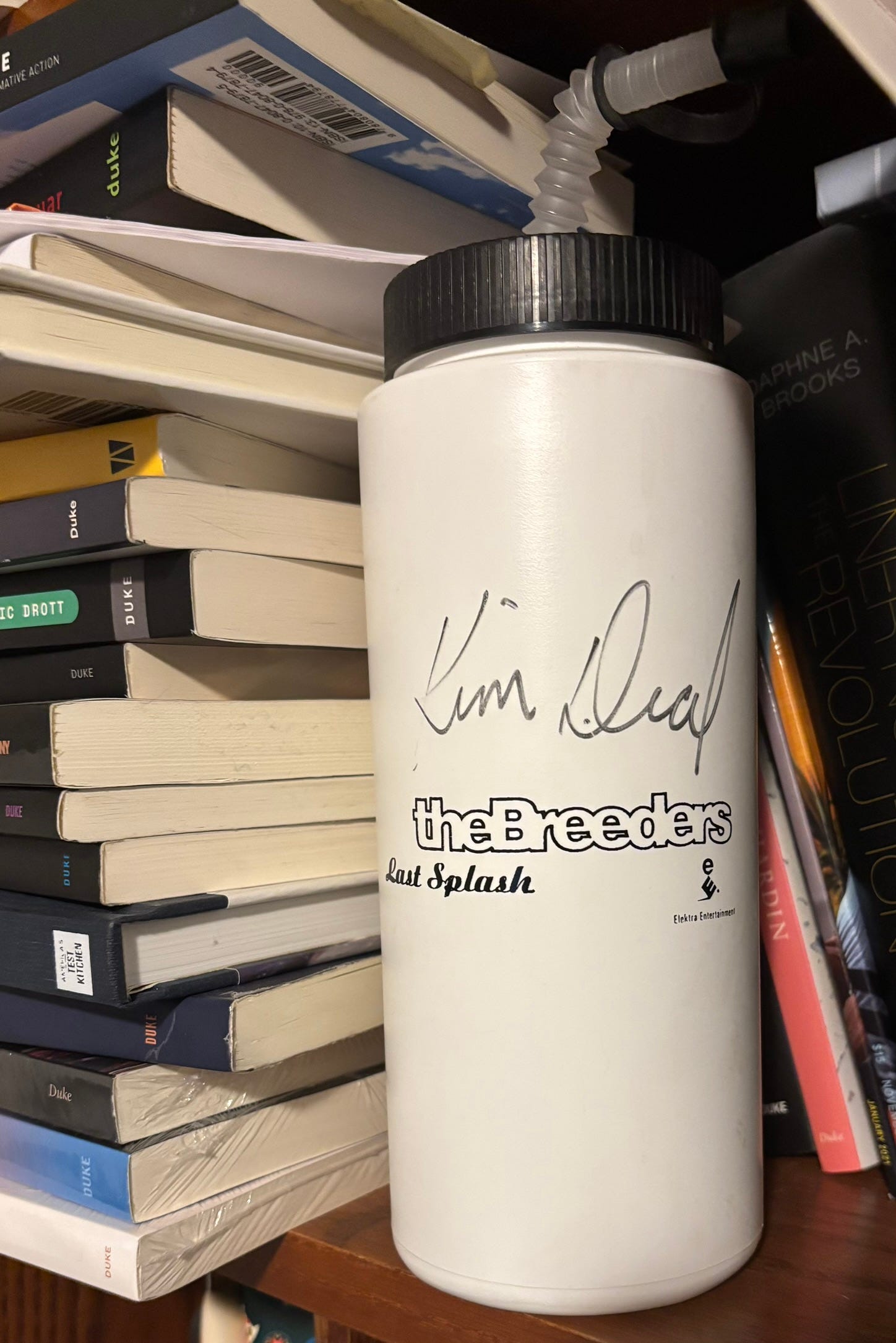
Though the standard narrative of 90s alternative hinges on the explosive success of Nirvana’s “Smells Like Teen Spirit,” Gen Z pop star Olivia Rodrigo is known for having a different take: as she told the LA Times at the end of 2023, hearing The Breeders’ 1993 breakout hit “Cannonball” for the first time was so revolutionary that the event periodizes her life into a “before” and “after.” Whether this is a sincerely held belief or industry spin doesn’t really matter, as its effects are undeniably palpable. The Breeders’ influence on Rodrigo’s album GUTS is unmistakable, to the point that they also opened for Rodrigo on the tour supporting her album so audiences could connect the dots themselves. Billboard’s Andrew Unterberger writes that “Rodrigo inviting the '90s alt greats to be part of her story helps stitch together a rock timeline that never should have been interrupted” by the “male aggression took [that] over the sound of modern rock [when] alt radio essentially decided it didn’t need women” in the late 1990s. For Unterberger, Rodrigo has helped heal “the continued rock chronology” by highlighting the role of the woman whom even Kurt Coban cited as one of his significant influences but whose influence the industry and the press didn’t find important to shepherd.
In the early 90s, the industry and the press were interested in the way heavy, angry white men like Nirvana and Nine Inch Nails could re-center cishetero white dudes in modern rock, a genre that as recently as 1989 was widely thought to be more than a bit queer. The Cincinnati Enquirer’s Chris Radel wrote a December 1989 front-page Sunday Arts section feature that describes modern rock as “an unknown entity of abstruse lyrics and flighty, unconventional melodies performed by bands with names swimming in outrageousness, quirkiness, and alphabet soup” (FRR 39). “Flighty,” “outrageous,” and “quirky” (and probably also “alphabet soup”) describe acts like The B-52s, a band with out queer men and two women whose single “Love Shack” climbed to #3 on the Billboard Hot 100 earlier that year. The grunge phenomenon put bros back at the center of the format. Likewise, NIN was known for “making synths tough” and “aggressively masculine” (22). The bro-ification of alt rock didn’t start in the late 90s with the collapse of the alt rock radio bubble; the entire narrative of “alternative” (as opposed to
...This excerpt is provided for preview purposes. Full article content is available on the original publication.