The Global Left’s Responsibility
1. Introduction
The global Left faces a complex challenge: how can it defend the legitimate rights of the Kurdish people in the context of existential conflicts, while maintaining consistent critical standards toward all ruling authorities without exception? This balance is a fundamental condition for the credibility of internationalist solidarity itself.
Solidarity with the oppressed Kurdish people, with other oppressed peoples, and with the toiling masses is a foundational principled position of the global Left. This position is grounded in internationalist values that reject national oppression, class exploitation, and all forms of discrimination based on ethnicity, religion, language, or gender.
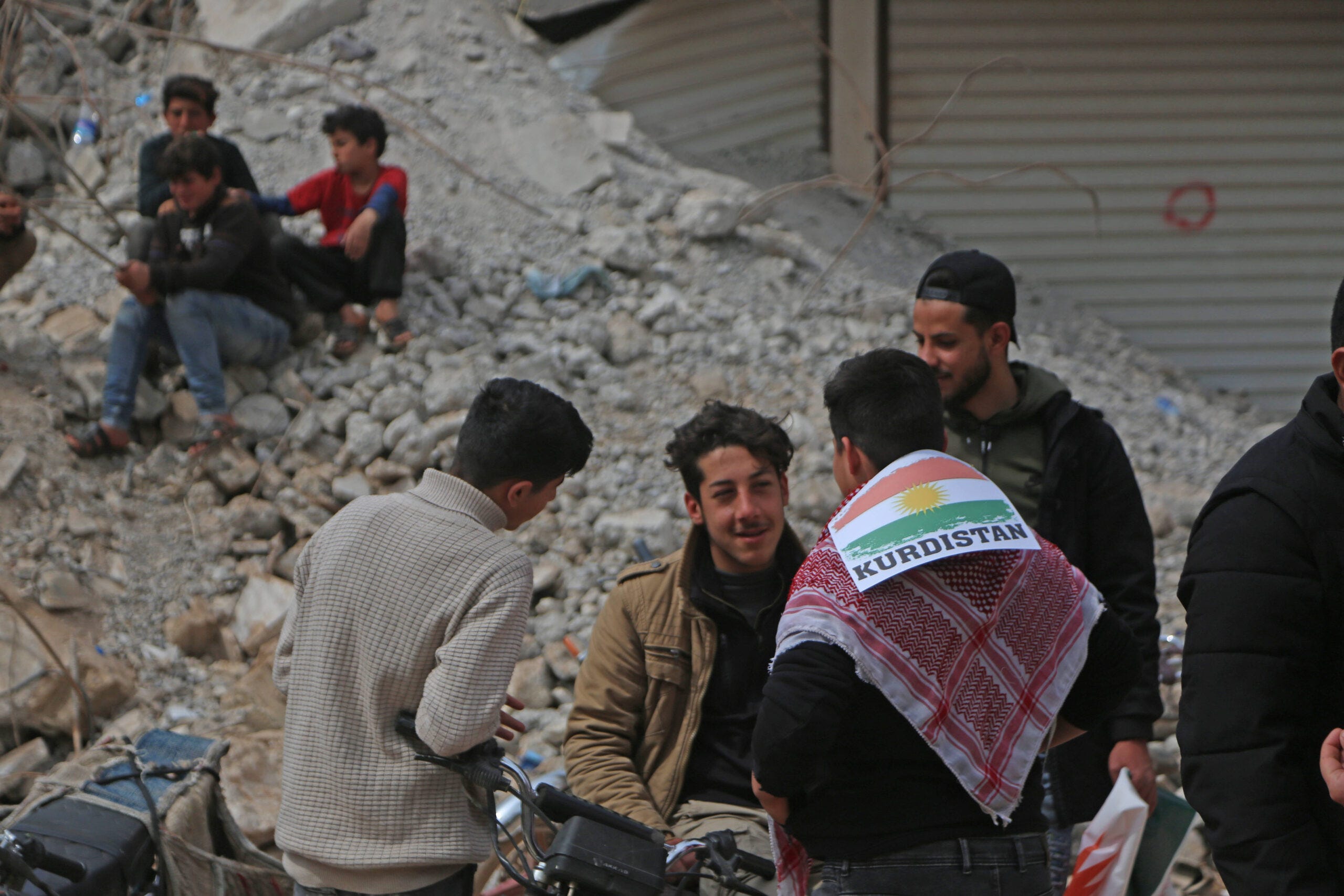
The Kurdish people have been subjected to historical and ongoing national oppression in several countries across the region, encompassing genocide, forced displacement, denial of cultural and linguistic rights, and political repression. This reality imposes on left and progressive forces a clear stance in support of their legitimate rights and just struggles.
Yet this position, which genuinely serves the cause over the long term, does not rest on unconditional alignment. It must be grounded in reliable sources and the reports of international human rights organizations. It also rests on a clear distinction between supporting the Kurdish people’s rights to dignity, equality, cultural and linguistic rights, and the right to self-determination, and granting absolute endorsement to the practices of specific Kurdish nationalist parties that have been documented as complicit in serious human rights violations.
The essence of this solidarity must be directed toward supporting the project of a citizenship state, a state founded on full equality among all citizens regardless of nationality, religion, language, or gender. A state that guarantees social justice and individual and collective rights through accountable deliberative democratic institutions. Defending national rights does not mean transforming identity into a basis for power, but rather ensuring those rights within a just legal framework that encompasses everyone.
Some left currents around the world have at times treated certain Kurdish nationalist parties as the exclusive expression of an oppressed
...This excerpt is provided for preview purposes. Full article content is available on the original publication.