“Jingle Bells” Was Written by a Racist Confederate Soldier to Mock Black People
Deep Dives
Explore related topics with these Wikipedia articles, rewritten for enjoyable reading:
-
Minstrel show
11 min read
The article centers on 'Jingle Bells' originating as a minstrel song, but most readers lack deep knowledge of how minstrelsy actually worked as an entertainment industry, its specific conventions like the 'endman' and blackface dandy characters, and its massive cultural influence in antebellum America
-
Blackface
11 min read
While the article mentions blackface performance, readers would benefit from understanding its full historical context, how burnt cork makeup was applied, the specific character types it created, and why it remained culturally acceptable for so long in American entertainment
-
J. P. Morgan
16 min read
The article briefly mentions that J.P. Morgan was Pierpont's nephew, creating a surprising connection between America's most iconic Christmas song's racist origins and one of the most powerful financiers in American history - readers would find the full story of this banking dynasty illuminating
Yesterday, I put on a Christmas sweater, took an uber to Medford, Massachusetts, and stood in front of a bronze plaque on High Street. My friend Matt Shearer, a local journalist known for uncovering weird Massachusetts history, had told me I needed to see it for myself.
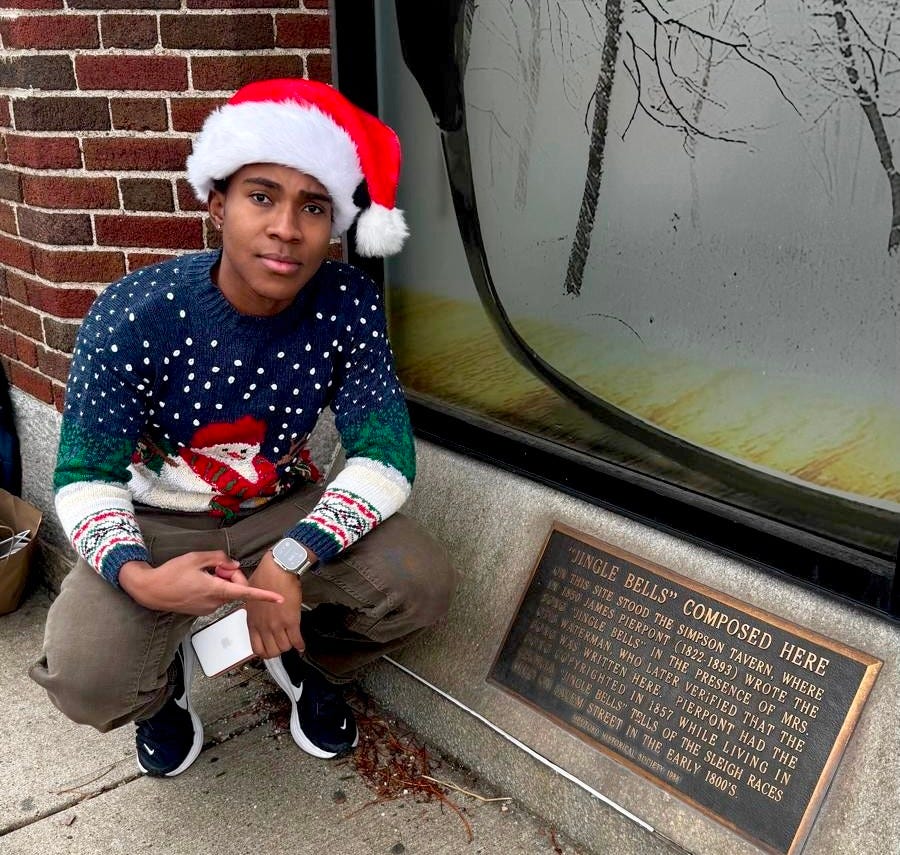
The plaque commemorates the spot where James Lord Pierpont supposedly wrote “Jingle Bells” in 1850. It mentions a tavern. It mentions sleigh races. It does not mention that the song debuted in blackface, performed by white men in burnt cork, mocking Black people trying to enjoy winter.
America’s most beloved Christmas song started as a racist joke. And almost no one knows.
I’m fighting to document erased histories like this one before they’re sanitized into feel-good myths, and I need your help.
With no corporate backing or wealthy sponsors, this work depends entirely on readers like you.
If everyone reading this became a paid subscriber, I could investigate these stories full-time, but right now less than 4% of my followers are paid subscribers.
If you believe in journalism that pulls back the curtain on songs we’ve been singing our whole lives, please consider a paid subscription today.
The Perpetual Failure Who Found Profit in Racism
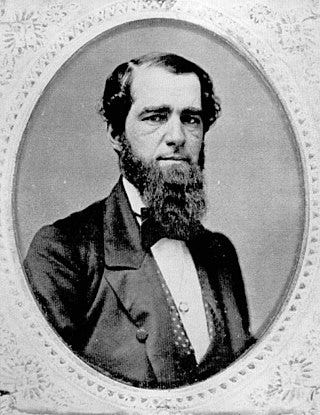
James Lord Pierpont was, by most accounts, a failure. Born in 1822 to a prominent Boston abolitionist family, he bounced between careers with little success. He tried daguerreotype photography in San Francisco. The studio burned down. He attempted the dairy business. That lasted two days. By the mid-1850s, Pierpont was broke, living off his father, and desperate for cash.
So he turned to minstrelsy.
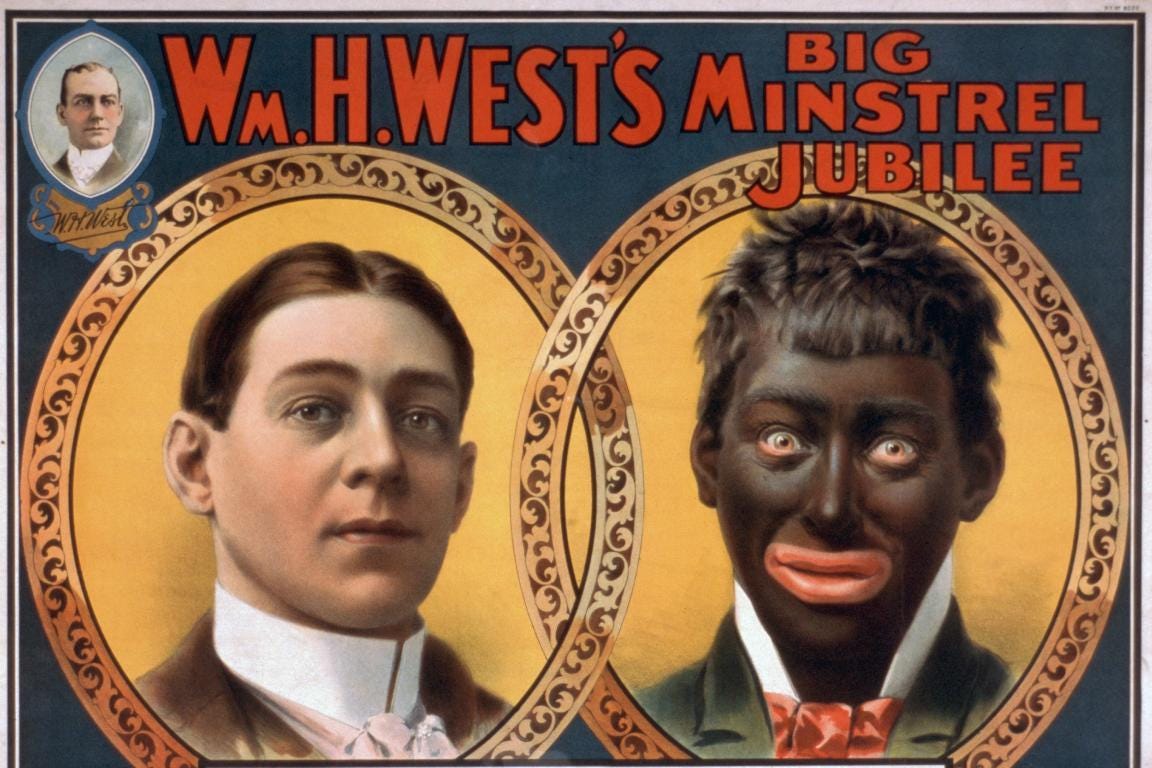
The minstrel show was one of the most profitable entertainment industries in antebellum America. White performers would darken their faces with burnt cork and perform caricatures of Black people for paying audiences. The shows depicted Black Americans as buffoonish, lazy, and incompetent. They were wildly popular. And for a man who needed money and had no scruples about where it came from, minstrelsy offered steady work.
Pierpont began writing songs for John P. Ordway’s Aeolians, one of Boston’s most successful minstrel troupes. His catalog included “The Colored Coquette,” “Kitty Crow,” and “Poor Elsie,” songs that used dialect spelling and repeatedly referred to Black people with slurs. He was, as scholar Kyna Hamill puts it, “composing to formula,” churning out content for an industry built on racial
...This excerpt is provided for preview purposes. Full article content is available on the original publication.