Epstein and Leviathan: How the Financier Opened Doors to Netanyahu and Ehud Barak Amid Israel's Offshore Gas Fight
Deep Dives
Explore related topics with these Wikipedia articles, rewritten for enjoyable reading:
-
Arab Gas Pipeline
10 min read
Linked in the article (15 min read)
-
Camp David Accords
17 min read
The article references the Camp David peace framework between Egypt and Israel that the gas deal reinforces. Understanding the original 1978 accords provides crucial historical context for why this energy agreement is politically significant beyond economics.
-
Leviathan gas field
13 min read
The gas field is central to the entire article but readers likely don't know its technical details, discovery history, geological significance, or regional geopolitical implications. This provides the energy/infrastructure context underlying the political maneuvering.
Thanks to all our readers for a great year. A quick note before the story: Ryan Grim was on Tim Dillon’s final show of 2025, discussing all our Epstein revelations. You can watch that here. And if you haven’t made your end-of-year tax-deductible gifts yet, you can support our journalism here:
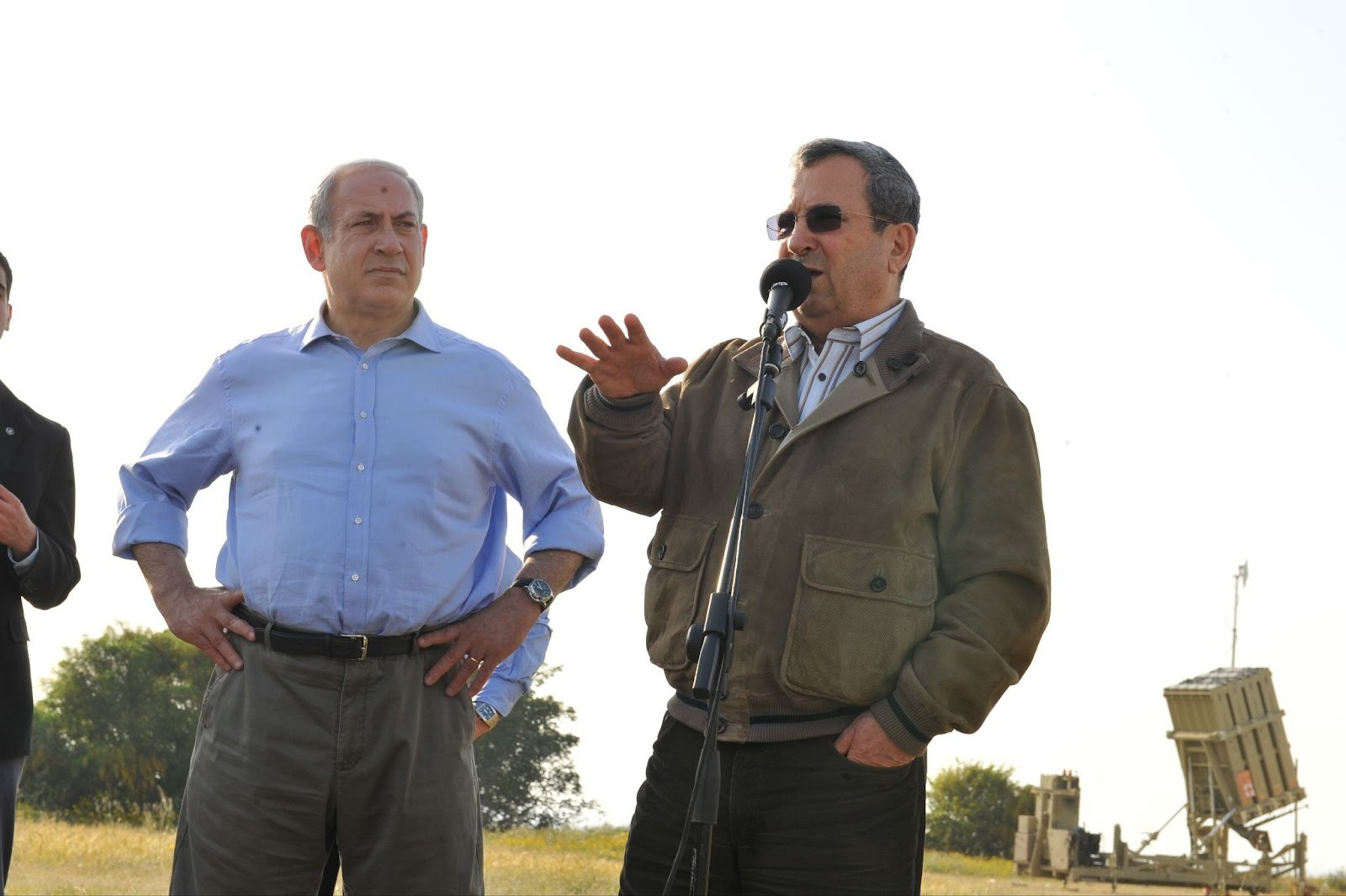
On December 17, Israeli Prime Minister Benjamin Netanyahu announced a $35 billion deal to sell natural gas to Egypt in what officials describe as the largest energy export agreement in Israel’s history. The natural gas will be produced from Leviathan, a massive field west of Haifa. “On this day,” Netanyahu wrote in a statement that day, the third day of Hanukkah, “we’ve brought another jug of oil to the nation of Israel. But this time, the flame will burn not just for eight days, but for decades to come.”
The gas export permit for Egypt came after months of delays and behind-the-scenes disputes between Tel Aviv, Cairo, and Washington. The decision is expected to reinforce the Camp David peace framework between Egypt and Israel—an arrangement strained by the Gaza genocide—while cementing Israel’s emergence as a major natural gas supplier in the eastern Mediterranean and beyond.
The deal has been more than a decade in the making—and one unlikely individual played a small, but essential role in laying its groundwork: Jeffrey Epstein. Former Israeli Prime Minister Ehud Barak consulted extensively with Epstein on financial deals around Leviathan for years, as Barak searched for international backers for Leviathan’s development.
Epstein’s role in Israel’s gas politics contradicts the image, advanced in a recent New York Times profile, of Epstein as a confidence man who was viewed with skepticism by financial and political elites. In fact, Epstein advised financial giant JPMorgan Chase Bank on several global energy and logistics deals after the 2008 financial crisis: unsealed documents from a recent U.S. Virgin Islands’ lawsuit show Epstein engaged with British MP Peter Mandelson regarding the acquisition of natural gas assets from the Royal Bank of Scotland in 2010, and he arranged a 2011 meeting between JPMorgan executive Jes Staley and Karim Wade, son of then-president of Senegal Abdoulaye Wade, to discuss a large crude oil trade. (Later, Epstein tried to help with developing Senegal’s offshore gas as well.)
Hacked emails from Barak’s inbox reveal
...This excerpt is provided for preview purposes. Full article content is available on the original publication.