How Elon’s satellites nearly led to Ukrainian disaster

Featured subscriber comment:
“Thank you for the excellent job you all do providing us with a glimpse of real life beyond the headlines. I hope more people reading this will appreciate the importance of becoming paying subscribers to support your work.”
By Matthew Fawcett
Upgrade now to support our work and get full access to all our writing!
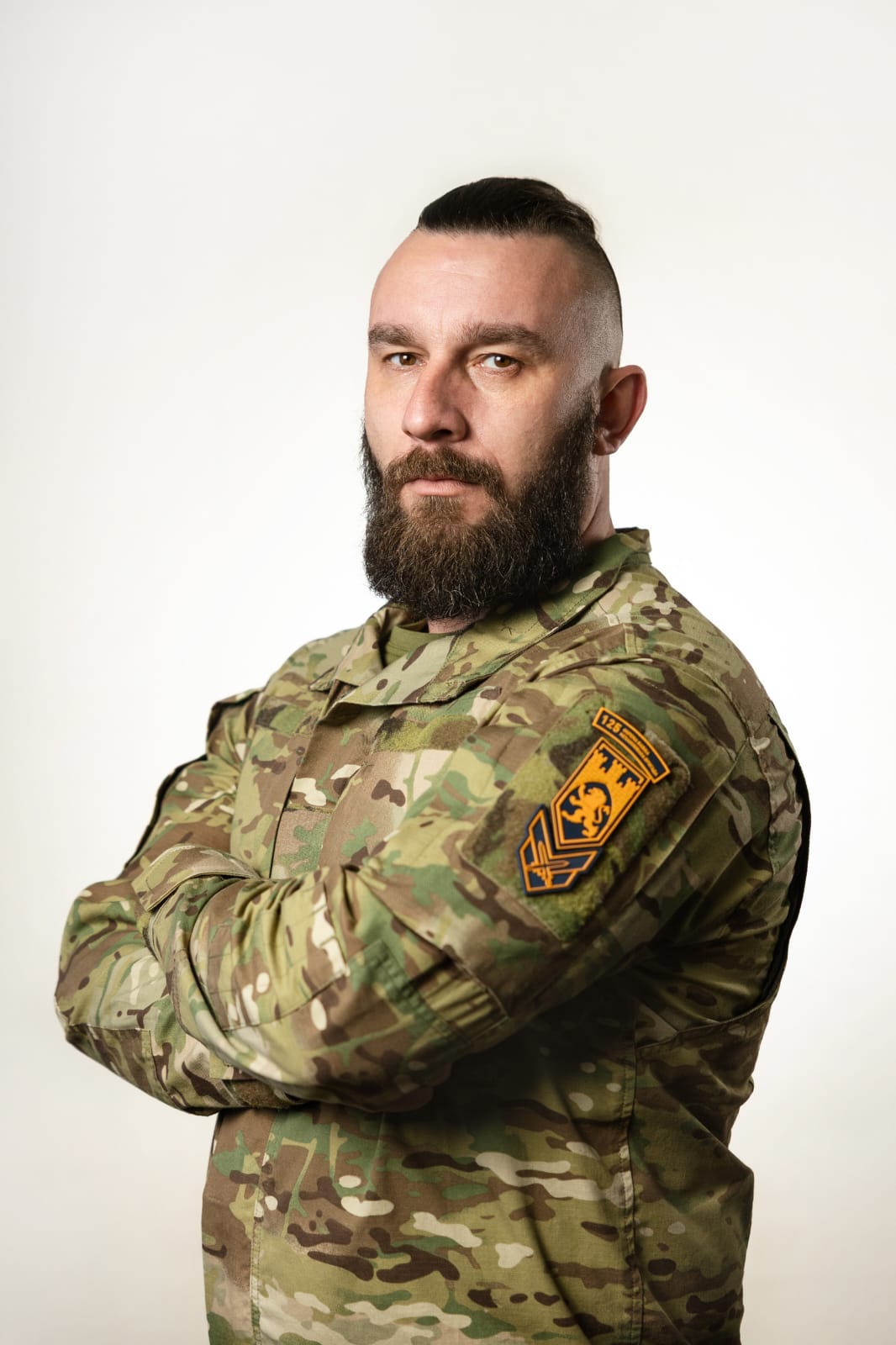
“Humans constantly try to find ways to kill their own kind more efficiently,” said ‘Friend Barber’, head of the electronic warfare group of the 125th Separate Mechanised Brigade.
He’s asked to be identified by only his callsign for security reasons.
Over more than eleven years of war, he’s seen enough of how Russian forces constantly adapt to the battlefield. Each time, it has forced him to search for ways to counter the enemy — seeking creative solutions to protect what matters most: his people.
But recently, Russians tried to provoke a massive shift on the battlefield that could have been disastrous for the Ukrainian army.
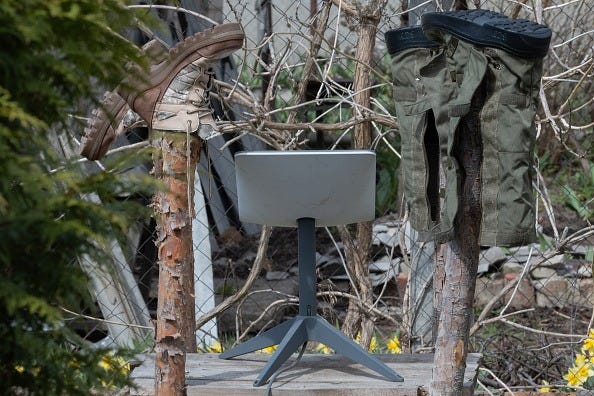
About a month ago, Ukraine recorded the first cases of Russians using Elon Musk’s Starlink terminals on strike drones, allowing them to bypass Ukrainian efforts to jam their signals. Previously, the Ukrainian army could disrupt the drones’ navigation so they would fail to reach their target. With Starlinks, however, Russia can operate the drones live to avoid disruption.
This time, Ukraine managed to respond to this new upgrade before it could be scaled, blocking the use of communication terminals for Russian forces on the front line.
Russian forces then lost their connectivity, leading to chaos within their ranks, and they even experienced a temporary halt to assault operations. Ukrainians also launched a counterattack that, according to ISW analysis, may have exploited this Starlink blackout, yielding about 201 square kilometres of recaptured territory.
Russian forces are now actively trying to restore Starlink connectivity by any means necessary. They’ve now begun blackmailing the families of prisoners of war, pressuring them to facilitate a workaround to new Starlink restrictions by registering Starlink terminals in their own names.
This constant adaptation to new circumstances on the battlefield and search for non-linear solutions is the only effective way of fighting an enemy with a significant resource advantage.
This excerpt is provided for preview purposes. Full article content is available on the original publication.