The PC was never a true 'IBMer'
The IBM Personal Computer was launched on 12 August 1981. Designed by an IBM team in Boca Raton, Florida led by Philip Don Estridge and William C. Lowe.
That first PC, given the less than charismatic designation as the ‘Model 5150’, and its successors quickly set the standard for personal computing, first in business and then in homes. So much so that they became known as just ‘PCs’.
But the PC was never an true ‘IBMer’, the colloquial term used for IBM employees.
Wait a moment! The IBM PC. Designed and manufactured by IBM. With IBM on the badge on the front of the machine. Surely it was an IBMer!
Well, there are two levels on which the PC wasn’t really a true IBM machine. The first is well known and fairly obvious, the second more subtle.
‘DOSTel’
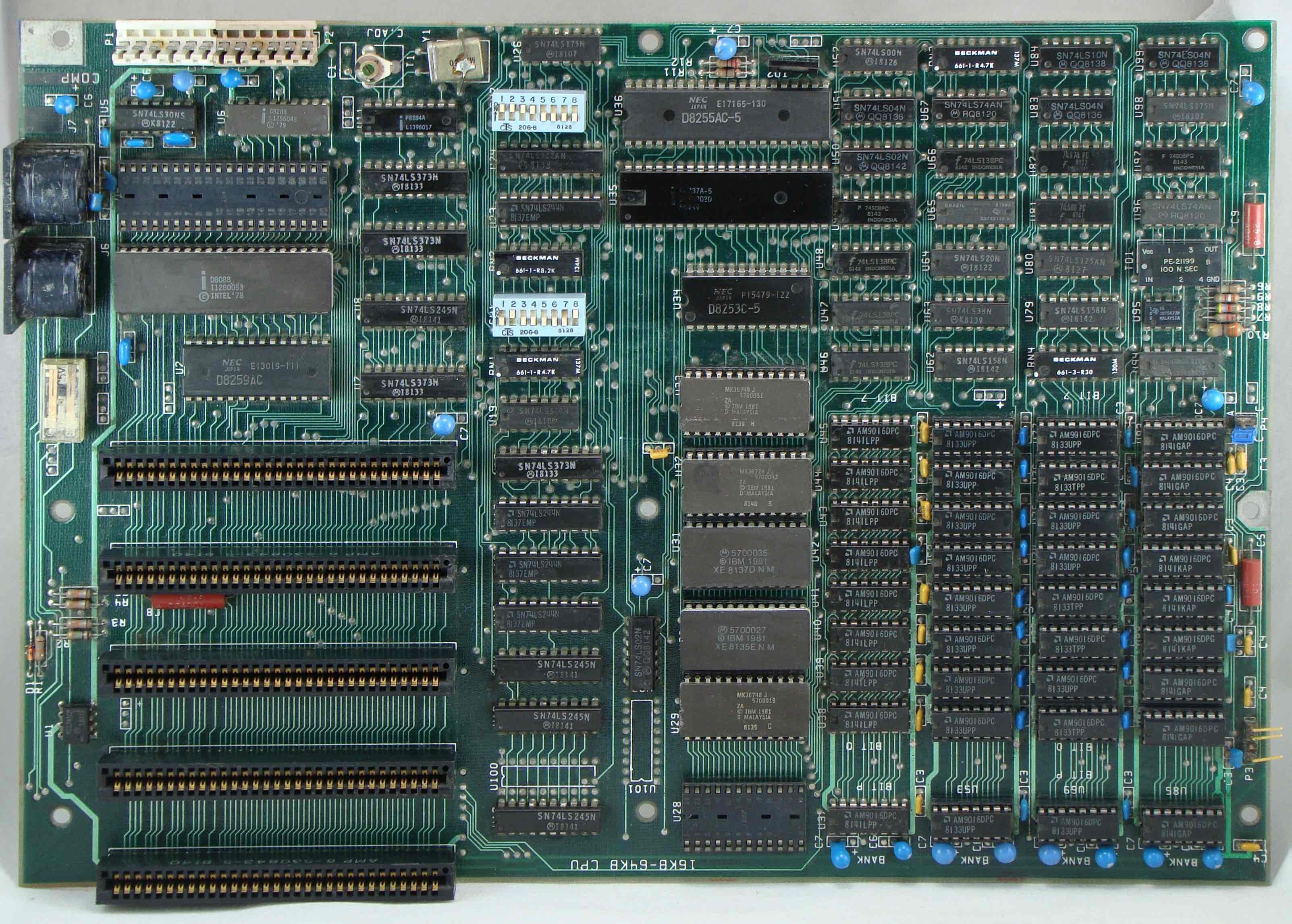
First, the IBM PC was created by assembling components from other manufacturers. Crucially, CPU was from Intel (the 8088) and the operating system (PC-DOS) from Microsoft. The PC ecosystem would later be build on the ‘WinTel’ partnership, but in the early days it was ‘DOSTel’.
Then, the crucial software ecosystem that soon gave the PC it’s insurmountable moat was made up of non-IBM products. First Lotus 1-2-3, Wordperfect, dBase II and then later Microsoft’s own Office suite.
What did IBM bring to the PC? The Basic Input and Output System (BIOS) that provided the interface to the underlying hardware was written by IBM. IBM’s own factories assembled the machines. But most crucially for the success of the PC, though, IBM brought the quality of its support and its endorsement as a personal computer that was worthy of ‘serious’ businesses.
In many ways that first IBM PC was the successor to the Apple II as the most open and expandable machine on the market. Steve Jobs hated the PC, but, of course, the Apple II was really Woz’s computer and its values reflected Woz’s own. Jobs’s ideal machine was the more refined but closed Macintosh.
IBM had most of the capabilities to make key components of the PC itself. Yet the approach of using external suppliers was entirely rational. IBM had already had a few attempts at making ‘personal computers’ and they were often innovative and impressive efforts. The IBM 5100 for example from 1975 was a portable that was
...This excerpt is provided for preview purposes. Full article content is available on the original publication.