The Bidding War for Warner Bros. Discovery Already Has a Winner: YouTube
Deep Dives
Explore related topics with these Wikipedia articles, rewritten for enjoyable reading:
-
Paramount Pictures
10 min read
The article mentions Paramount's hostile bid for WBD backed by Kushner and Ellison. Understanding Paramount's century-long history, its role in Hollywood's studio system, and its recent corporate struggles provides essential context for why this merger would reshape the industry.
-
Vertical integration
15 min read
The core tension in this article—streaming platforms acquiring legacy studios—mirrors historical patterns of vertical integration that the Supreme Court broke up in 1948 with the Paramount Decree. Understanding this history illuminates why consolidation concerns Hollywood.
-
YouTube
15 min read
The article argues YouTube is the real winner despite not bidding for WBD, citing its dominance in TV watch time. The platform's evolution from user-generated clips to premium content rival provides crucial context for understanding Netflix's defensive posture.
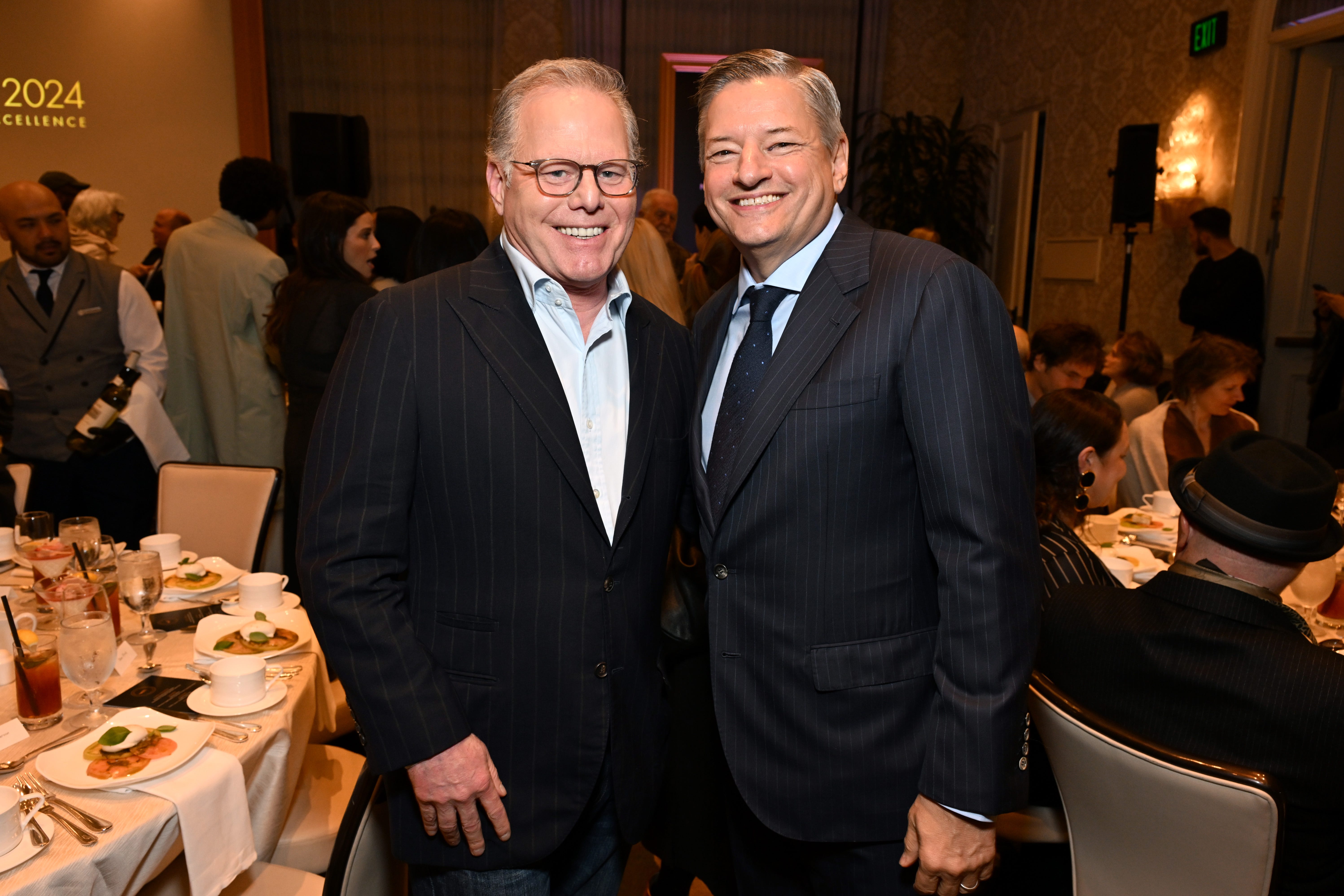
No matter who wins the bidding for Warner Bros. Discovery, it’s bad news for Hollywood.
Netflix, which has at least temporarily seized pole position by signing an acquisition agreement with WBD, would be reducing the number of buyers of shows and movies by owning both. And its historical stance against releasing movies with long exclusive theatrical windows rightfully has filmmakers panicked. No amount of sweet talk from Ted Sarandos (above, right, with David Zaslav) will assuage that. Netflix is the enemy to movie theaters — even James Cameron, the most tech-embracing of movie directors, thinks so.
Then there’s Paramount’s hostile bid, backed by Jared Kushner’s PE firm, Gulf state money, and the Ellison family, which would also reduce the number of buyers for big movies and TV shows. Plus, the politics of the people involved make it a nightmare for liberal Hollywood.
But the real winner in all this isn’t part of the WBD bidding war at all. It’s 350 miles north in Silicon Valley, where YouTube continues its quiet domination of the only metric that truly matters in the streaming era: TV watch time.
The WBD bid is Netflix’s answer to the YouTube challenge — and it reveals everything about who’s in control at a company that had once reinvented the entertainment business with technology, but has now found itself in the role of studio incumbent playing defense.
Seven or so years ago, Netflix was riven by a civil war between its tech-focused side in Los Gatos and its talent-friendly Hollywood organization — and the South won. Netflix may have brought some new business practices to Hollywood, but the need to appease bankable stars to keep the premium content machine humming eventually won the day.
Now, as the industry stands on the brink of massive new disruptions driven by AI, Netflix is placing its chips not on a tech play, but on a storied institution from the past, with all its baggage. In the new media era, Netflix is taking a page from the old media playbook.
As one former Netflix executive told me in a recent story I did for Vanity Fair about the fears and hopes around AI in Hollywood, the company is “the establishment now. And like the rest of Hollywood, they’ve got the unions tied around their neck.”
This excerpt is provided for preview purposes. Full article content is available on the original publication.