Growing Pains: Kazakhstan’s Gradual Energy Transition
With a population of 21 million people and a land area of 2.7 million square kilometers, Kazakhstan has plenty of space for modern renewables. Abundant land, high insolation, and robust wind speeds create excellent conditions for using wind and solar power to meet growing power demand.
But Kazakhstan has been slow to embrace the energy transition. In 2023, less than 5% of the country’s electricity was generated with wind and solar power. Coal remains the largest source of power generation, responsible for 58% of all electrical energy.
Why has Kazakhstan struggled with wind and solar power despite excellent conditions? The answer turns out to be a combination of the resource curse, inflexible coal-fired power generation, and policy uncertainty.
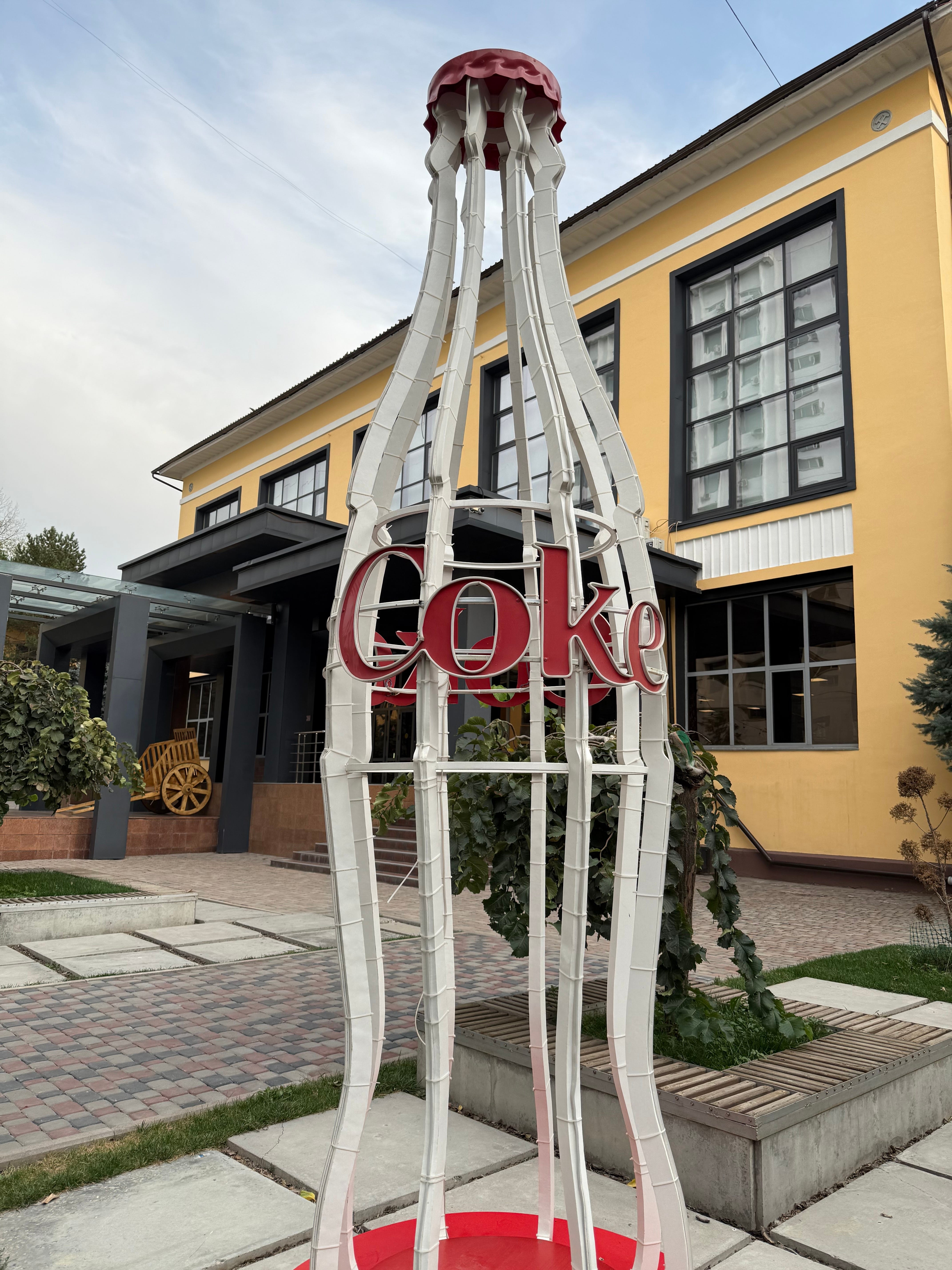
Monument of capitalism on the campus of Satbayev University. September 2025.
Kazakhstan’s power sector
Kazakhstan’s total final energy consumption in 2023 was about 1.8 million terajoules. Of this, 16% was electrical energy. Kazakhstan is a major producer of both coal and natural gas. Together, these fossil fuels account for 87% Kazakhstan’s electricity. The remainder is mostly from hydroelectric dams (8%), with modern renewables and a tiny amount of petroleum responsible for the rest.
Power sector infrastructure in Kazakhstan is outdated, resulting in frequent outages. The January 2022 blackout made this clear. A sudden imbalance shut down the North-South power line, cutting power not only in Kazakhstan but also in Uzbekistan and Kyrgyzstan. The deeper issue is aging infrastructure. Old transmission lines make it hard to integrate renewables and scare off investors. Officials admit upgrades are needed, but progress is slow. High costs, limited private funding, and budget pressures keep projects on hold.
Electricity demand is growing in Kazakhstan. GlobalData forecasts show consumption rising from 90.9 TWh in 2024 to 111 TWh by 2035, driven by industrial growth and the digital economy. Energy-intensive sectors such as mining and oil extraction will continue to dominate demand, while household consumption is also rising as living standards improve. Together, these trends are putting more strain on the country’s aging grid and raising concerns about long-term energy security.
Energy transition in Kazakhstan: promises and goals
Kazakhstan’s government has set various goals for the energy transition over the years. In the 2013 “Green Economy Concept” and later plans, it pledged to raise renewables to 3% of electricity by 2020, 10% by 2030, and 50% by 2050. The National Green Growth Plan also set a 2030 energy mix
...This excerpt is provided for preview purposes. Full article content is available on the original publication.