The Silent Crowd
Deep Dives
Explore related topics with these Wikipedia articles, rewritten for enjoyable reading:
-
Glossophobia
16 min read
The article is entirely about fear of public speaking - glossophobia is the clinical term for this condition, and the Wikipedia article covers the psychology, causes, and treatments that would complement the author's personal narrative
-
Religious views of Thomas Jefferson
14 min read
Jefferson is used as the central historical example of someone who succeeded despite avoiding public speaking. This article explores his intellectual life and communication style in depth, providing richer context for the comparison the author makes
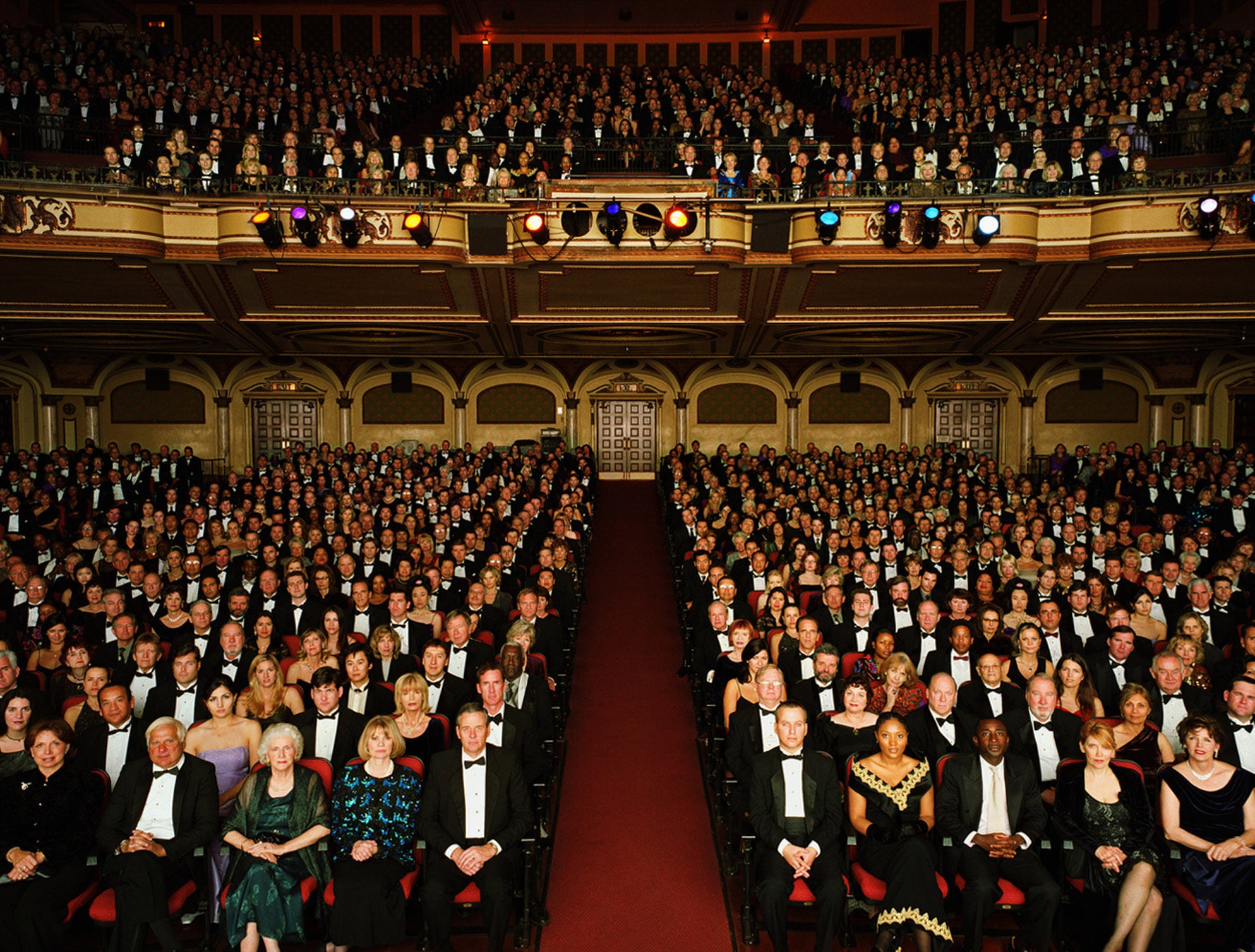
I first published “The Silent Crowd” on my website in 2011. It’s been circulating again, and since people still seem to find it helpful, I thought I’d share it here. —SH
It is widely believed that Thomas Jefferson was terrified of public speaking. John Adams once said of him, “During the whole time I sat with him in Congress, I never heard him utter three sentences together.” During his eight years in the White House, Jefferson seems to have limited his speechmaking to two inaugural addresses, which he simply read out loud “in so low a tone that few heard it.”
I remember how relieved I was to learn this. To know that it was possible to succeed in life while avoiding the podium was very consoling—for about five minutes. The truth is that not even Jefferson could follow in his own footsteps today. It is now inconceivable that a person could become president of the United States through the power of his writing alone. To refuse to speak in public is to refuse a career in politics—and many other careers as well.
In fact, Jefferson would be unlikely to succeed as an author today. It used to be that a person could just write books and, if he were lucky, people would read them. Now he must stand in front of crowds of varying sizes and say that he has written these books—otherwise, no one will know that they exist. Radio and television interviews offer new venues for stage fright: Some shows put one in front of a live audience of a few hundred people and an invisible audience of millions. You cannot appear on The Daily Show holding a piece of paper and begin reading your lines like Thomas Jefferson.
Of course, it is possible to just write books and hope for the best, but refusing to speak in public is a good way to ensure that they will not be read. This iron law of marketing might relax somewhat for fiction—but even there, unless you are J.D. Salinger or Thomas Pynchon, remaining invisible is generally a path not to the literary firmament but to oblivion.
Fear of public speaking is also a fertile source of psychological suffering elsewhere in life. I can remember dreading any event where being asked to speak was a possibility. I have to give a toast at your wedding? Wonderful. I can
...This excerpt is provided for preview purposes. Full article content is available on the original publication.