A new, old type of lawlessness as Trump attacks Venezuela — and an opening for a better America
Deep Dives
Explore related topics with these Wikipedia articles, rewritten for enjoyable reading:
-
Office of Legal Counsel
13 min read
The article repeatedly references OLC opinions (including Bill Barr's 1989 memo and Rehnquist's 1971 opinion) as the legal foundation for executive actions. Understanding OLC's role in authorizing controversial executive branch actions is crucial for readers to grasp how these operations gain legal cover.
-
Unitary executive theory
18 min read
The article discusses the president's 'inherent constitutional authority' to use military force and the expansive interpretation of Article II powers. This constitutional theory underlies the legal arguments presented and helps explain how presidents claim authority for unilateral military actions without congressional approval.
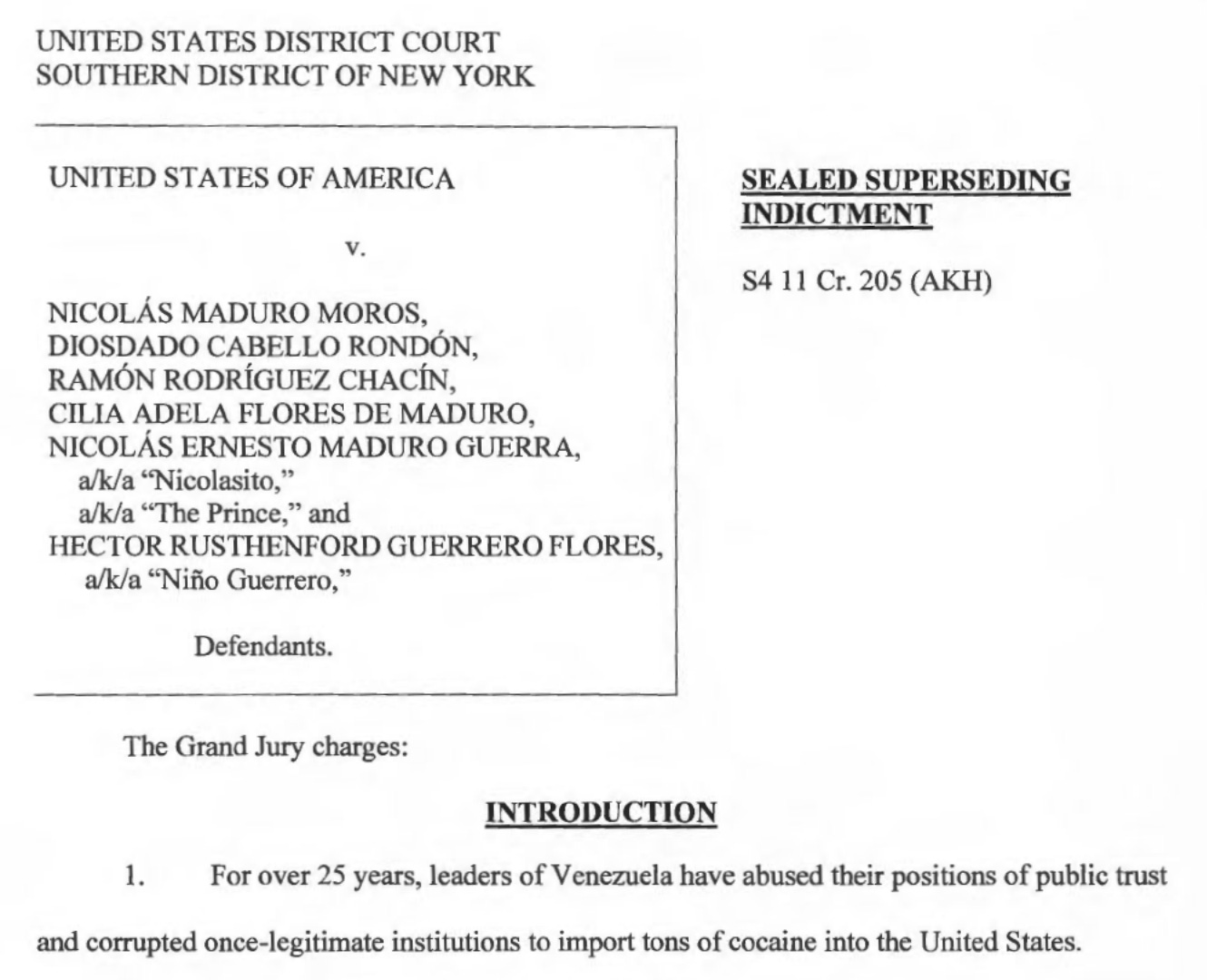
Overnight, the United States entered the sovereign territory of a foreign nation; bombed several areas; invaded its president’s compound; took that man and his wife from their house; and brought them to New York, where they face longstanding drug trafficking charges.
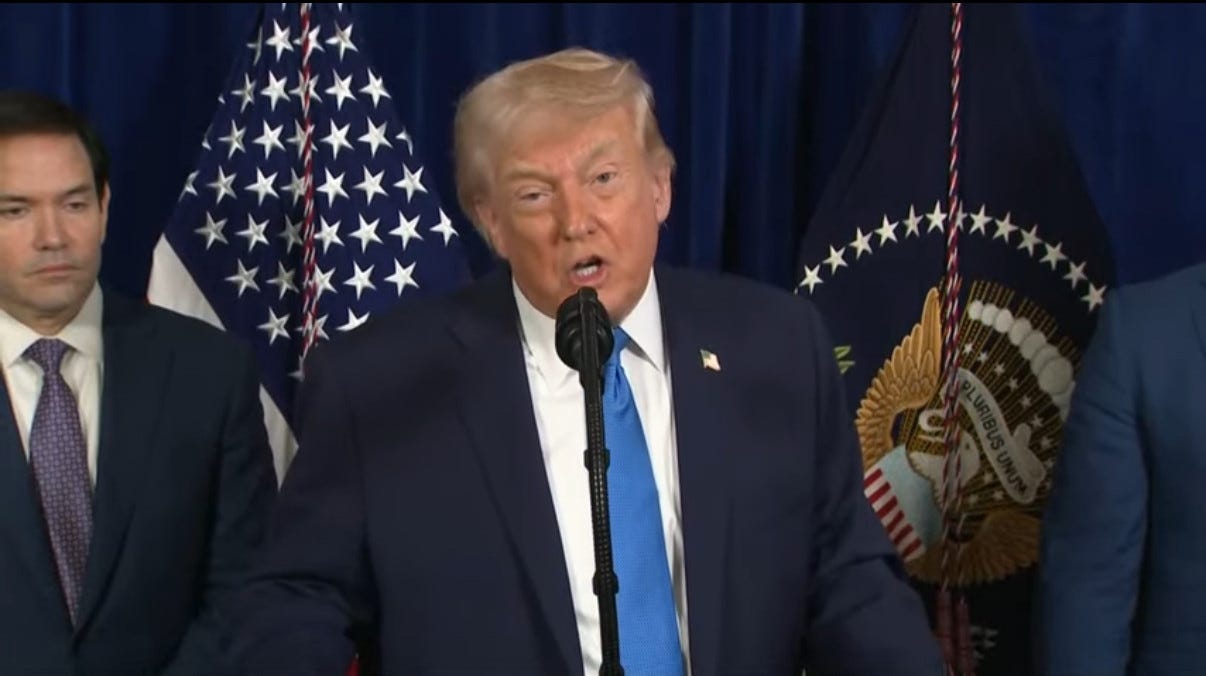
In a news conference from Mar-a-Lago on Saturday, President Donald Trump expanded the consequences and scope of the operation even further, saying of Venezuela, “We’re gonna run it … until such time as a proper transition can take place.”
Then, the chairman of the Joint Chiefs of Staff, Dan Caine, warned: “There is always a chance that we’ll be tasked to do this type of mission again.“
This all happened under Trump’s command, and it represents something that is both unfamiliar — and all too familiar — to American history. The unique nature of Trump’s invasion and decapitation of the government in Venezuela masks what makes it less exceptional: It combines many aspects of things that the United States has done in its history — but all in one night.
The United States has invaded foreign countries before when it faced no imminent threats. The United States has taken out foreign leaders before. The United States has even put foreign leaders on trial before. And, more familiar, the United States has definitely engaged in “nation-building” before.
The closest the United States has come to doing what happened on Saturday was exactly 36 years ago — when the United States apprehended Panamanian General Manuel Noriega on January 3, 1990 and brought him to America to face drug charges in Florida.
This time around, the United States apprehended Venezuelan President Nicolás Maduro on January 3, 2026 and brought him to America to face drug charges in New York.
The complicated nature of this moment centers on two aspects — a legal discussion, which this post will describe at length, as well as a normative discussion, on which I will end.
Where we are is an extremely difficult moment, and that is reality, but it need not be where we go. In this moment, then, there is a chance to create a better America, as hard as that might be to see this weekend.
The legal opinions
The legal response to Trump’s actions includes two pieces that, at first blush, appear to be quite divergent.
In Georgetown Law professor ’s post at One First …
...
This excerpt is provided for preview purposes. Full article content is available on the original publication.