Reverse Innovation in Global Defense
A reverse innovation is any innovation that is adopted first in the developing world. Surprisingly often, these innovations defy gravity and flow uphill.
This was originally published in 2021 and updated to reflect lessons from the Russia-Ukraine war, which has emerged as a real-world lab for reverse innovation in defense.
The Idea
The DoW and U.S. Allies apply Reverse Innovation strategies to design and rapidly field novel defense capabilities. The key elements of a Reverse Innovation strategy are:
Design simplicity
Unlearning
Addressing the infrastructure gap
Changing the management model
Fueling local growth teams
This approach provides Allies who have small defense budgets affordable solutions to address their priority military needs while creating prototyping and experimentation environments for U.S. defense solutions. The National Technology Innovation Base (NTIB) — comprising the U.S., Australia, Canada, New Zealand, and the UK — can then apply the lessons and solutions from the Allied environments to scale systems for U.S. defense solutions and Foreign Military Sales (FMS). These solutions often form the low end of a high-low mix aligning with Clayton Christensen’s Disruptive Innovation theory where simple, low-cost products enter at the bottom, but eventually displace the market leaders.
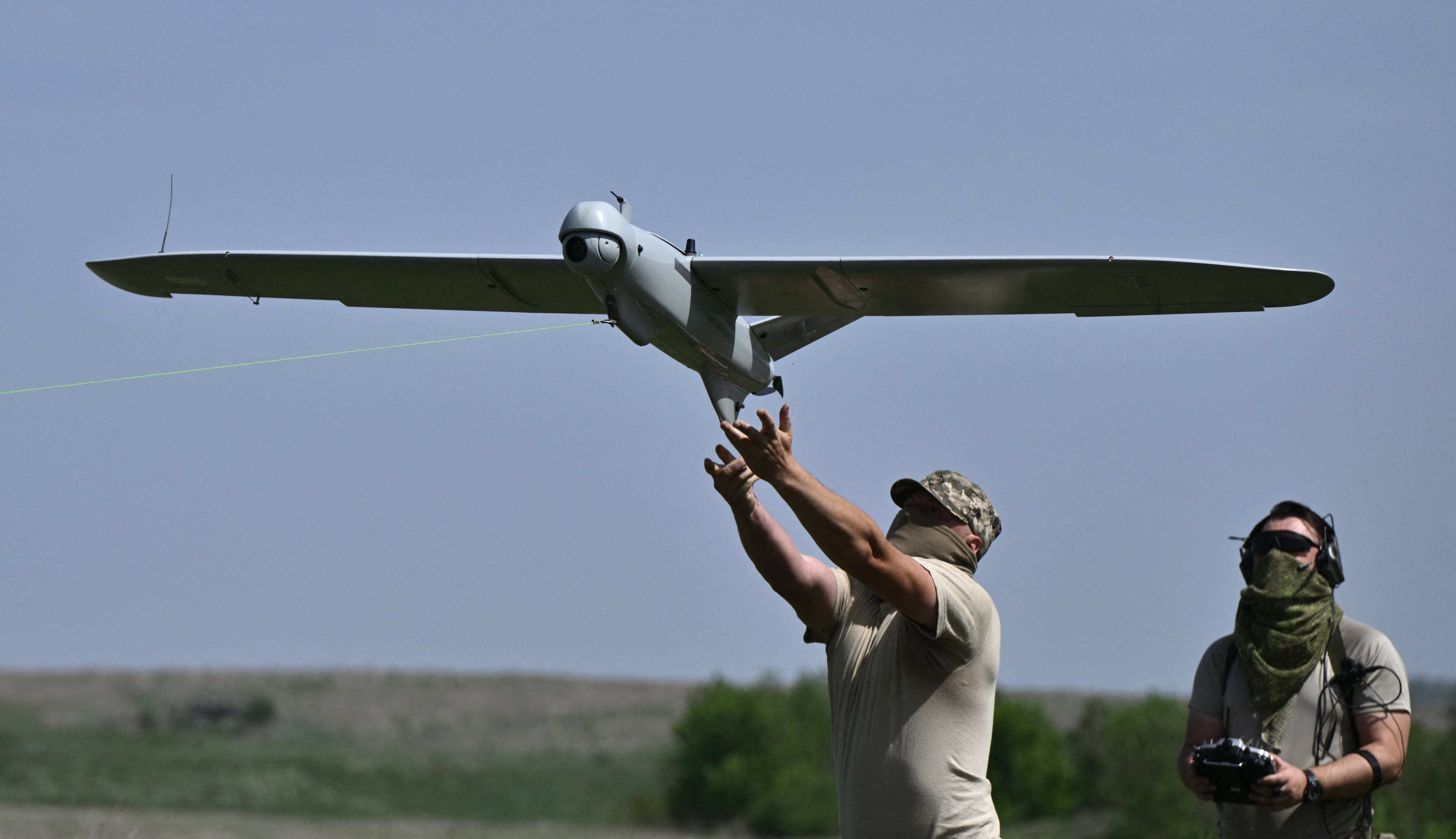
As part of U.S. defense security cooperation strategies, the DoW conducts FMS with over 189 countries and organizations. A recent executive order seeks to reform FMS to improve speed and accountability, building upon multiple sections of the FY23-26 NDAAs. The war in Ukraine has amplified this with much of the billions of dollars provided leveraging commercial technologies prototyped in theater.
Reverse Innovation by Vijay Govindarajan and Chris Trimble remains a foundational blueprint for scaling growth in emerging markets and importing low-cost innovations to mature ones. The authors, renowned for management innovation, offer principles now validated by Ukraine’s ecosystem with over 1,000 defense startups producing drones and munitions at scale. The following are excerpts from the book with updated military applications, drawing upon recent conflicts and reforms.
Design Simplicity

...“Consider an American company with a good-better-best product lineup with 80-90-100% performance at 80-90-100% pricing. When seeking to sell in an emerging economy, like India, the company may attempt to offer a watered-down version with 70% of the features and 70% pricing, yet that would only capture a small slice of the market. A breakthrough would be to offer a 50% solution at 15% price. It would be impossible for the company to achieve that if they
This excerpt is provided for preview purposes. Full article content is available on the original publication.