The Russian offensive to come
Happy Thursday, and welcome back to The Ruck. Here’s what’s happening in the national security world this week.



Somalia has launched its “most significant offensive…in more than a decade” against the al-Shabab extremist group, the AP reports, and this time, “Somali fighters are in the lead, backed by U.S. and African Union forces.”
The Pentagon is tapping into its arms stockpile in Israel “to help meet Ukraine’s dire need for artillery shells,” according to The New York Times.
“The Ukrainian army uses about 90,000 artillery rounds a month, about twice the rate they are being manufactured by the United States and European countries combined, U.S. and Western officials say. The rest must come from other sources, including existing stockpiles or commercial sales.”
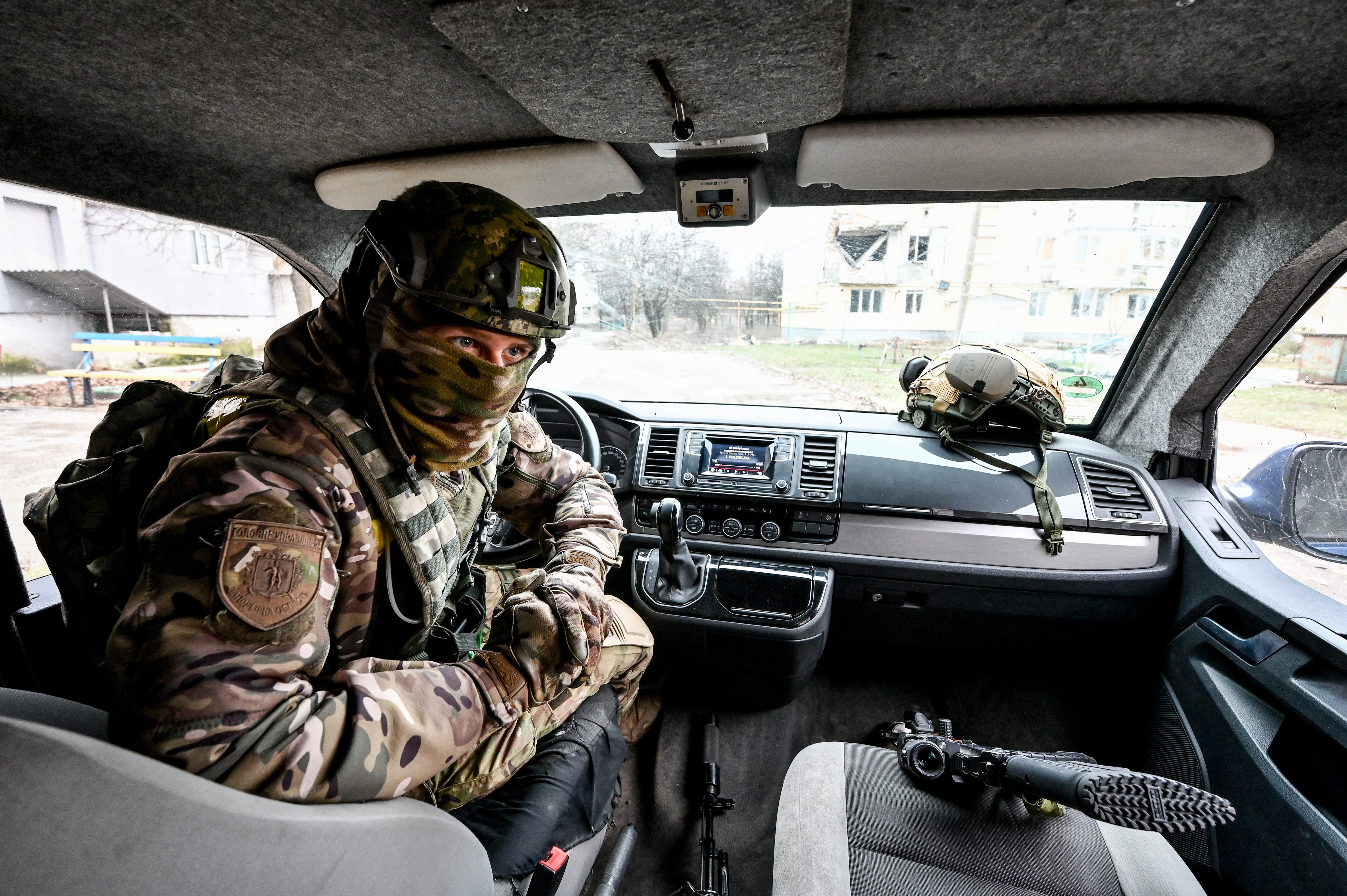
Meanwhile, Ukraine is worried about a possible Russian offensive launched from Belarus. Moscow and its close ally have been taking part in joint military exercises, leading to fears the training could be a pretext for a cross-border incursion.
“In all areas of our responsibility we are building these fortifications to be able to defend and mount counter-offensives clandestinely,” Senior Lt. Anton, a 32-year-old Ukrainian soldier, told NBC News. “The potential offensive from the Belarusian side could come from anywhere. That’s why we are getting ready for all scenarios.”
Belarus’ exiled opposition leader, however, is skeptical. "I doubt that a possible attack can take place on land, but missiles can be launched from Belarus territory at any moment," Sviatlana Tsikhanouskaya said. “Putin knows that the participation of Belarusian troops could raise unpredictable consequences.”
“Weapons are crucial because this war is very difficult. This is not the end of the war. Russia is not defeated…” says Polish President Andrzej Duda, urging the West to provide more weapons. “This moment will answer the question: will Ukraine survive or not?”
Regardless of where or how it happens, talk of Russia mounting a spring offensive
This excerpt is provided for preview purposes. Full article content is available on the original publication.