A Life Amid Spies
Deep Dives
Explore related topics with these Wikipedia articles, rewritten for enjoyable reading:
-
Mengistu Haile Mariam
14 min read
The article directly references this Ethiopian dictator and his genocide conviction. Understanding his full rise to power, the Red Terror campaign, and his escape to Zimbabwe provides essential context for the intelligence community dynamics described.
-
Derg
15 min read
The Marxist-Leninist military junta that ruled Ethiopia during the period described. Understanding this regime's structure, Soviet alignment, and brutal tactics illuminates why the CIA was so active and the hostile environment the author faced.
-
United States Information Agency
13 min read
The article mentions USIA's expulsion from Ethiopia as context for the author's work. Understanding this Cold War soft power apparatus and its global operations provides insight into the broader U.S. foreign policy toolkit beyond covert CIA operations.
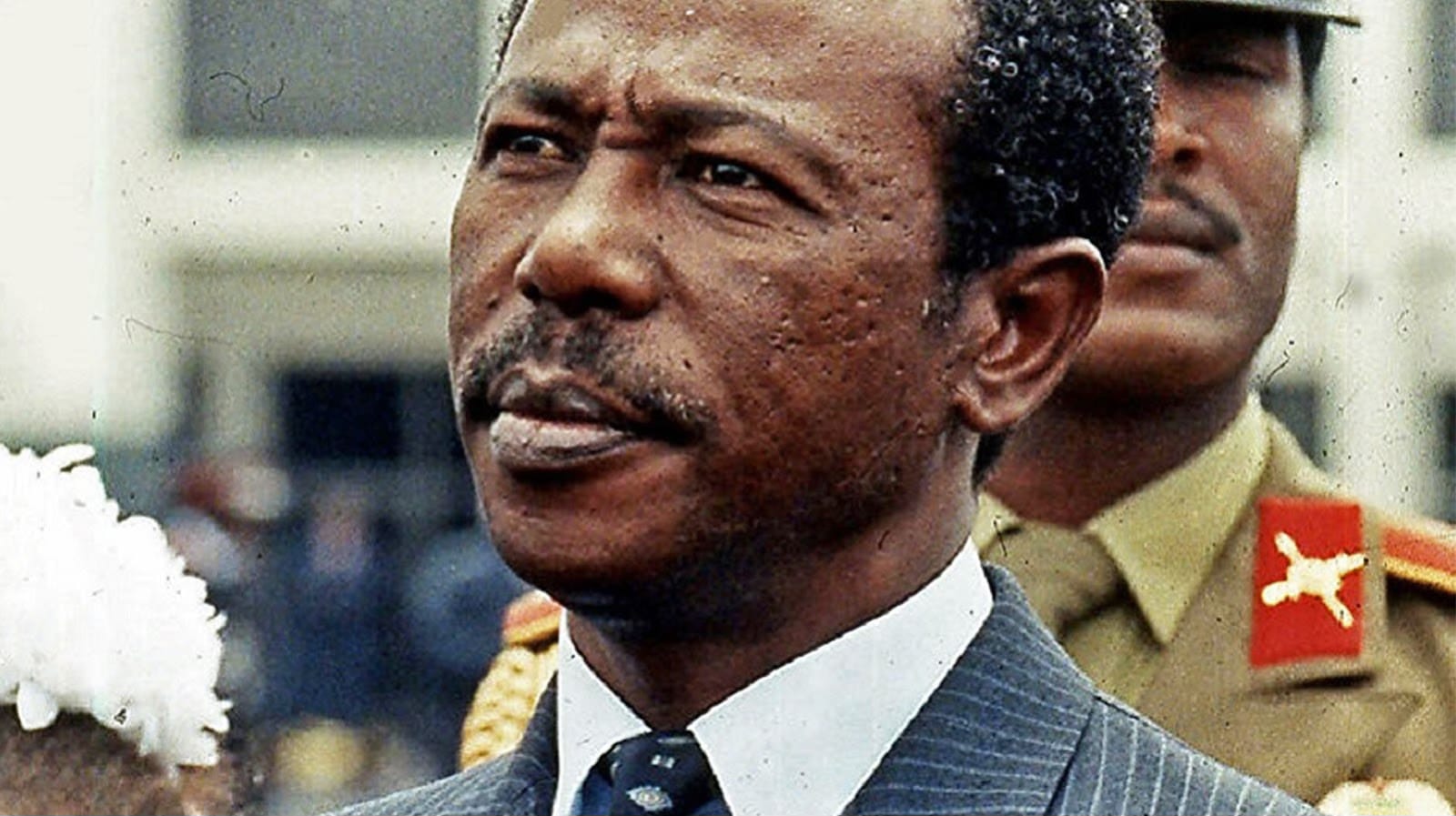
Author’s Note: If you choose a career in international human rights, expect the intelligence community to show up at your doorstep. Sometimes their agents will wine and dine you if they think you could serve their interests. Other times, they will intimidate and harm you if they think you could be a threat. Usually they are indifferent to the consequences of their actions. These are my stories.
THE ONLY PERSON I EVER THREATENED IN MY LIFE was the CIA station chief in Addis Ababa, back in the 1980s.
The Reagan administration, which took office in January 1981, spoke of “unleashing” the CIA worldwide, which I would soon see led to reckless programs in Ethiopia.
Its government was a Marxist-Leninist military dictatorship aligned with the Soviet Union. Posters of Lenin hung everywhere and security was tight. My husband, David A. Korn, was the chief of mission (or permanent chargé d’affaires—there was no ambassador) and the political environment was hostile.
The regime had expelled the U.S. Information Agency (USIA), the soft power arm of U.S. foreign policy that used cultural exchanges to promote a friendly view of America by local populations. Nonetheless, I soon witnessed something that made me think an American public affairs program could flourish amid the official chill.
This excerpt is provided for preview purposes. Full article content is available on the original publication.