Why the war won’t end anytime soon
Deep Dives
Explore related topics with these Wikipedia articles, rewritten for enjoyable reading:
-
War in Donbas
13 min read
The article mentions Oleg becoming a military official for Russia-backed forces in Donetsk during 'the first stage of the Ukraine-Russia war in 2014' - understanding this earlier conflict provides essential context for the family's division and the roots of the current war
-
Battle of Kyiv (2022)
12 min read
The article references Oleg's prediction that Kyiv would fall in three days and Artur's mocking texts after Ukraine repelled the Russians - this battle was a pivotal moment that shaped the war's trajectory and the family's dynamic
Featured Subscriber’s Comment:
“I think the reporting you do is outstanding.
You and your team tell such interesting, powerful, relevant stories from the front lines of democracy in Ukraine and Taiwan that remind me every time how grateful I should be for the democracy I live in and how essential the fights are against authoritarian takeover and how brave those fighting.”
By: Maggie
“Murderer,” Natalia wrote to her ex-husband on the day the invasion began in 2022.
“I am not a murderer,” Oleg responded.
At one point the two had presumably been in love.
But now the couple’s son, Artur, was fighting for the Ukrainian military.
And the family’s former patriarch, her ex-husband, was fighting for the Russian side.
Their story is a microcosm of the splits that have occurred all across families broken apart due to this war – and the tragic consequences that result from an unjustifiable war of aggression.
The negotiated ending of wars is a fraught process with incredible complexity. The durable, notable peace deals of the last five decades involved American negotiators that had immense expertise into each side’s grievances and flexibilities.
But the Trump administration’s approach to this war has been to vacillate between Russian talking points and occasional kind words (but not particularly helpful action) towards Ukraine. The American government – led by diplomatic newbie and real estate developer Steve Witkoff – has shown almost no understanding of the details.
And what’s been particularly absent is an understanding of how deep the animosity between Russia and Ukraine have been, and how it’s torn families apart from the very nucleus.
Any diplomacy that lacks an understanding of the deep betrayal felt within families will be doomed to fail. More than 43 percent of Ukrainians have relatives in Russia, a 2021 survey by the Kyiv International Institute of Sociology found. On top of that, 14 percent said they had distant relatives in Russia.
Many families have said they don’t recognize the relatives they once regularly talked to, likening it to speaking to brainwashed strangers. In this way, the story of Artur’s family is just one of the many, many similar situations playing out across Ukraine.
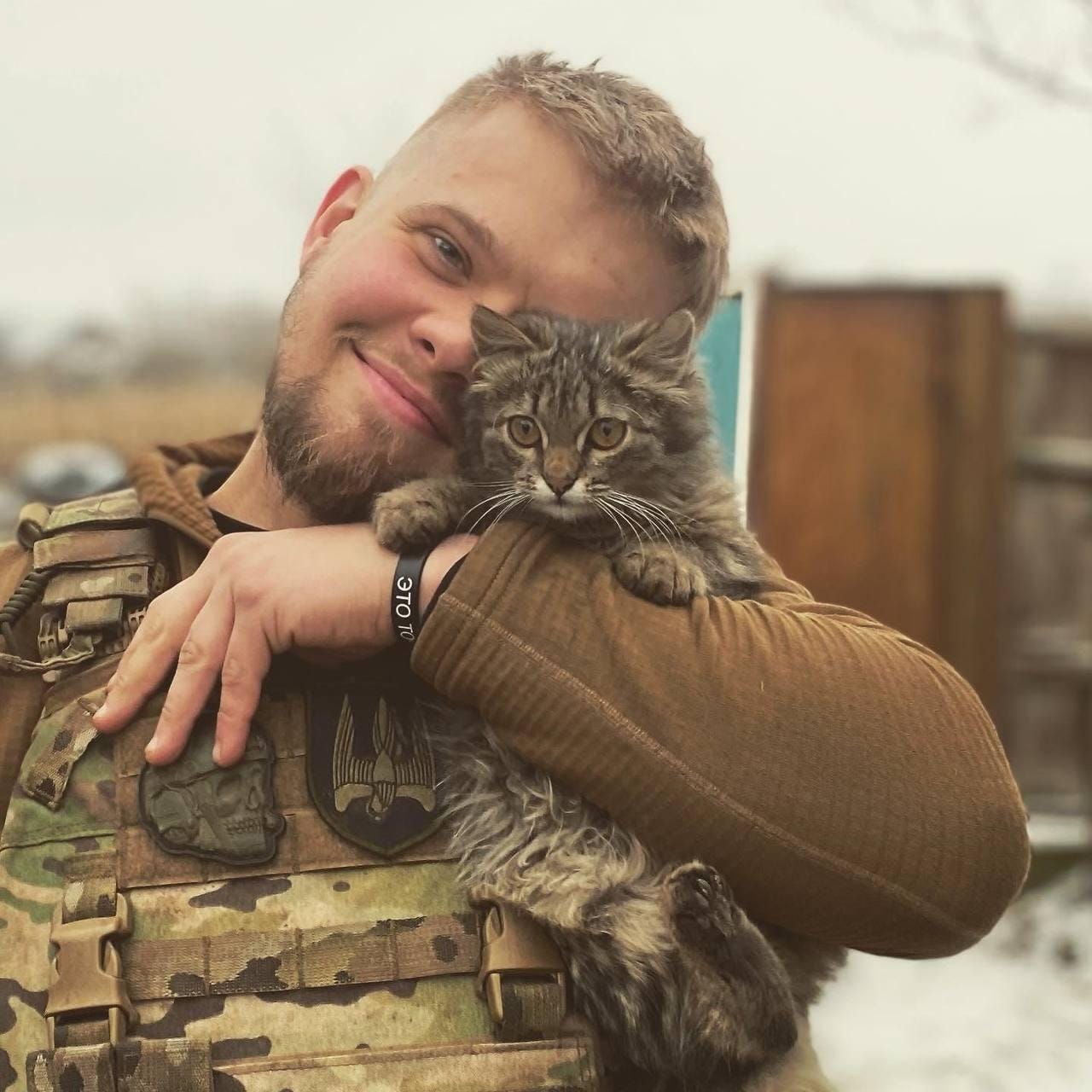
Artur’s relationship with his father was fraught even before the invasion. Oleg had left the family soon after the divorce, moving to Russia and later Russia-occupied areas in the east of Ukraine
...This excerpt is provided for preview purposes. Full article content is available on the original publication.