A House caucus hopes to fix housing
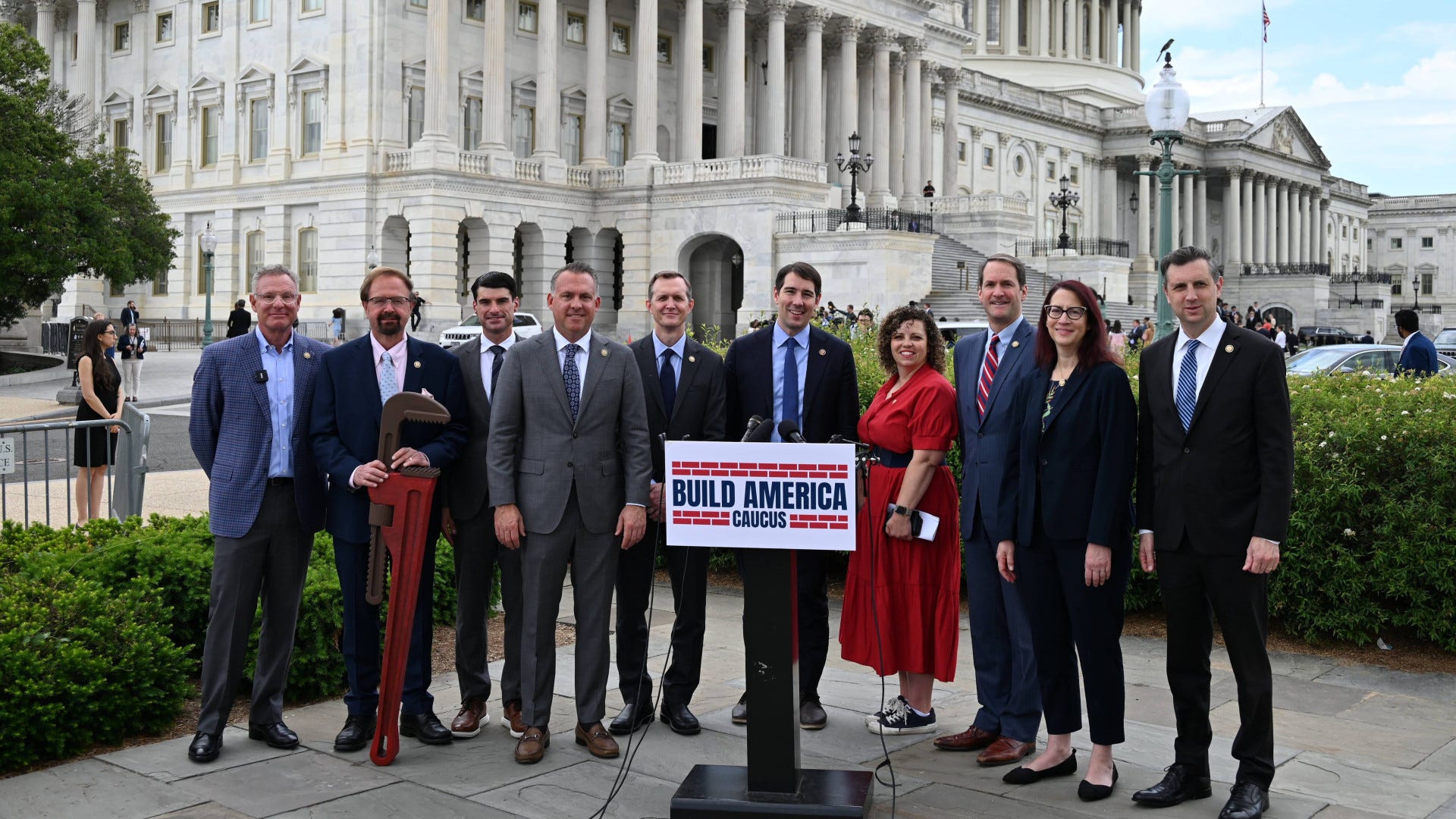
In my post last Wednesday, I mentioned the Build America Caucus — a bipartisan group that aims to make pro-growth policies top-of-mind issues in Congress.
Launched in May 2025 by Representative Josh Harder, a Democrat from California, it focuses on “abundance” themes such as the need to address America’s housing, infrastructure, and energy issues by implementing supply side reforms. While the caucus includes many Democrats who believe the party’s relationship with environmental review, litigation exposure, and local veto points have become a genuine political liability, its proximate goal is to pass legislation, so it’s bipartisan. Representative Celeste Maloy (R-UT) recently became co-chair, pairing conservative leadership with Harder’s more centrist Democratic profile. Membership has grown to more than 40 and spans a real ideological range: New additions include Representatives Mike Lawler, Sam Liccardo, Mike Quigley, Don Bacon, and Rob Wittman.
Against the backdrop of a relatively ineffective Congress, Build America notes that in the months since it was founded it has introduced nine bipartisan bills and played a role in securing House passage of legislation like the Housing for the 21st Century Act and the Affordable HOMES Act.
These bills walk a line, trying to encourage more building-friendly local regulation without preempting local zoning authority, largely by tying federal funding streams to pro-housing behavior. They cite boosting project applications to the Capital Investment Grants program that would pressure local governments to allow more housing to be built near transit, and pushing for legislation that would incentivize more housing to be built in general by linking federal Community Development Block Grant funding to how much they expand housing stock.
The caucus is effectively doing the coordinating work to build a cross-partisan bloc that can attach itself to vehicles like appropriations bills or the National Defense Authorization Act when the opportunity arrives.
Still, 40 members is a minor faction in a 435-member House, and the Republican majority has its own deregulatory priorities that don’t necessarily run through bipartisan caucuses. And on housing specifically, the federal government’s leverage is inherently limited as long as Congress regards interfering with local authority as taboo. The practical track record of federal incentive programs over the years is decidedly mixed.
Minnesota’s fraud crackdown leaves disabled residents without housing
One unintended consequence of Minnesota’s effort to crack down on fraud in its Medicaid-funded disability programs is that people with disabilities are
...This excerpt is provided for preview purposes. Full article content is available on the original publication.