The Quiet King of Japanese Stop Motion
Deep Dives
Explore related topics with these Wikipedia articles, rewritten for enjoyable reading:
-
Kihachirō Kawamoto
12 min read
Kawamoto is described as an 'absolute legend' in Japanese stop motion and the teacher of Harada's teacher. Understanding his pioneering work provides crucial context for dwarf studios' artistic lineage and techniques.
-
Bunraku
14 min read
Harada explicitly cites bunraku puppet theater as a key influence on dwarf's animation philosophy—expressing emotion through poses rather than facial expressions. This traditional Japanese art form directly shapes their creative approach.
-
Tadahito Mochinaga
11 min read
Mentioned as another 'absolute legend' of Japanese stop motion who created Rudolph the Red-Nosed Reindeer's animation. His work represents the foundation of Japanese stop-motion that dwarf studios inherits through direct teacher-student lineages.
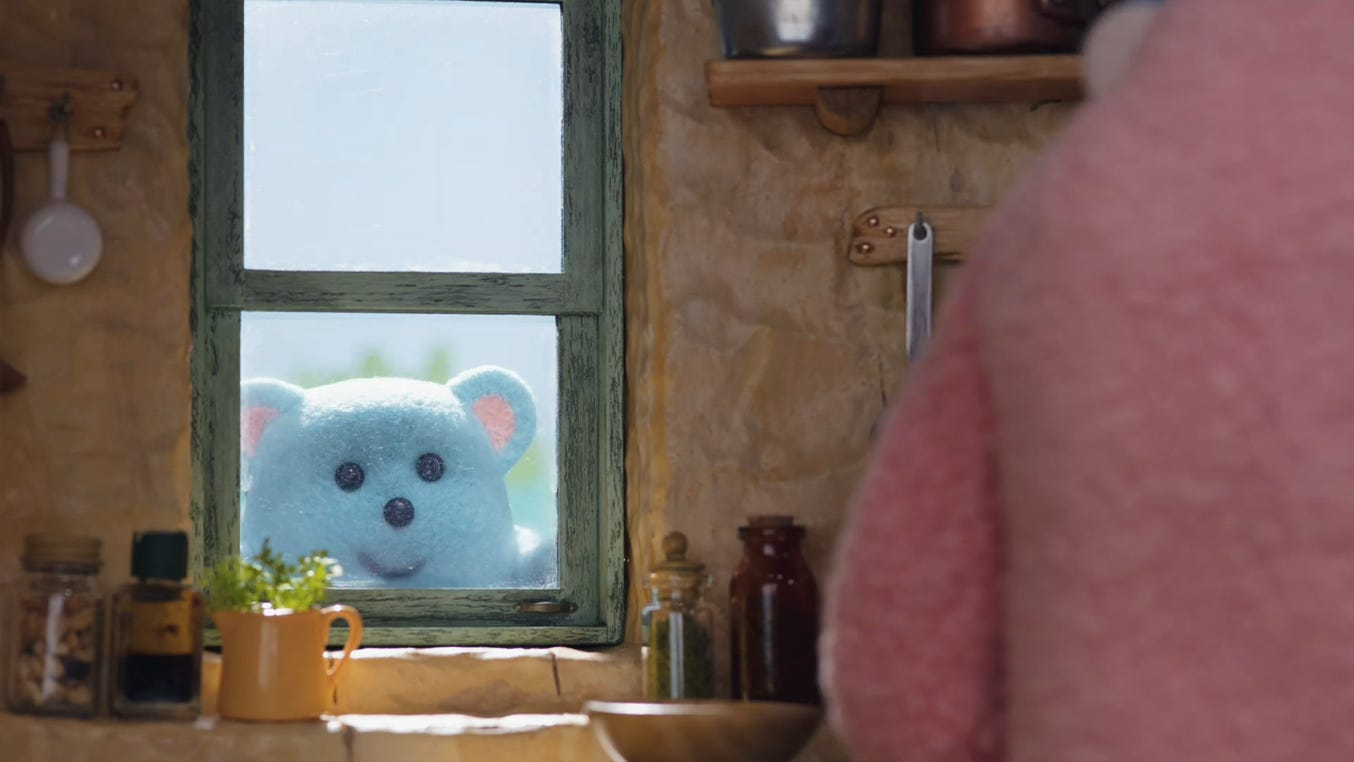
Welcome! It’s a new Sunday edition of the Animation Obsessive newsletter. And this one is a little bit different.
For today’s lead story, we asked the outside journalist Andrew Osmond to go on location in Tokyo for us. Specifically, he traveled to Japan’s best stop-motion studio of the moment. We’re excited to share what he learned about the philosophy, style and creative ecosystem that power the team.
With that, here’s our slate:
1) Andrew Osmond goes inside dwarf studios.
2) A new film from Estonia.
3) Animation newsbits.
Now, let’s go!
1 – A special warmth
This September, I visited an animation studio in a Tokyo suburb, a studio far removed from conventional notions of “anime.” It’s dwarf studios — the name is lower case, befitting a company that treads quietly. Founded in 2003, it’s known for soft, gentle, kindhearted films that are exquisite pieces of stop-motion art. Viewers outside Japan are likeliest to recognize it for series like Rilakkuma and Kaoru and Pokémon Concierge.
Dwarf is about an hour’s journey from Tokyo’s central Yamanote Line, and not far from the Sayama Hills — popularized by their connection to My Neighbor Totoro. The building’s in a quiet business area, grassier than Tokyo’s center, with offices and restaurants and a little canal running through it. The only peril is cyclists on the pavements.
It’s easier for a foreigner to find a studio in Tokyo than it used to be. One of my most shameful memories as a journalist is of being late for an important magazine interview at an anime studio, back in 2001. I was baffled by which train on the relevant Japan Rail line stopped at the station I needed. A quarter-century later, smartphones have made it all a thousand times simpler.
The dwarf studios building is among the larger ones in its area. Much of its exterior is corrugated metal, and it has the overall impression of a cavernous warehouse, though made friendlier by the dwarf name in lower-case letters over the door. I was there for an appointment to speak with Shuhei Harada, an animator who oversees the studio’s puppet and art production, and producer Yuriko Okada.
This wasn’t a tour, so I can’t report on what dwarf’s stop-motion characters were up to during my visit. From the evidence of dwarf’s films, though, I’d guess
...This excerpt is provided for preview purposes. Full article content is available on the original publication.