Learning about longevity from long-lived animals
This article is part of Issue 22 of Works in Progress. The complete and beautifully designed print edition will be landing on subscriber doormats in the next few days. Subscribe now to receive your copy.
The Turritopsis dohrnii is a small, bell-shaped jellyfish found in temperate and tropical waters. It has stinging tentacles and is completely transparent, allowing you to see its pulsating internal organs. It’s a predator and hunts in the open ocean, feeding on small crustaceans and plankton.
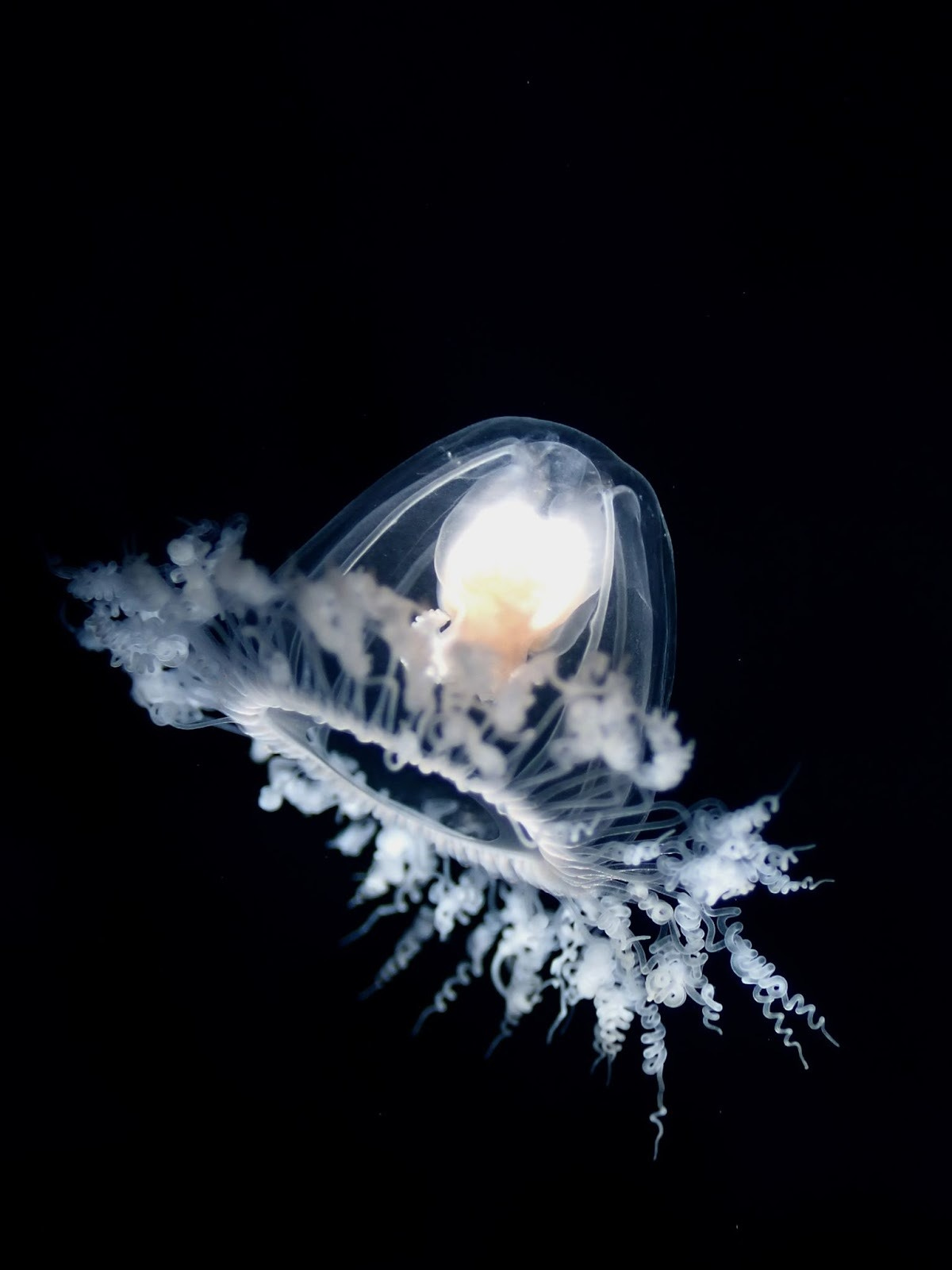
This deep-water, alien-seeming creature has a unique ability to regenerate itself. In cases of extreme stress, like starvation, sudden temperature changes, or even being cut with a pair of scissors, the adult jellyfish can, in a matter of days, transform back into an infant-like polyp stage. The polyp is hardy, and many of its cells are undifferentiated – like in a human embryo – so it can regenerate damaged parts easily and ‘bud’ into several clones.
This process can theoretically happen on an infinite loop, meaning that if the jellyfish managed to escape disease and predation, it could live forever. In a lab, these jellyfish have been kept alive for two years, respawning 11 times. For comparison, the Turritopsis dohrnii’s cousins, the Clytia hemisphaerica or the Obelia geniculata, live as full-grown jellyfish for only a few weeks.
Lobsters are, by all appearances, just insects that live in the ocean. They have segmented bodies, ten legs, and compound eyes. With simple insect-like brains (comprising only 100,000 neurons, to a mouse’s 10 million and a human’s 86 billion), many scientists believe they don’t even feel pain.
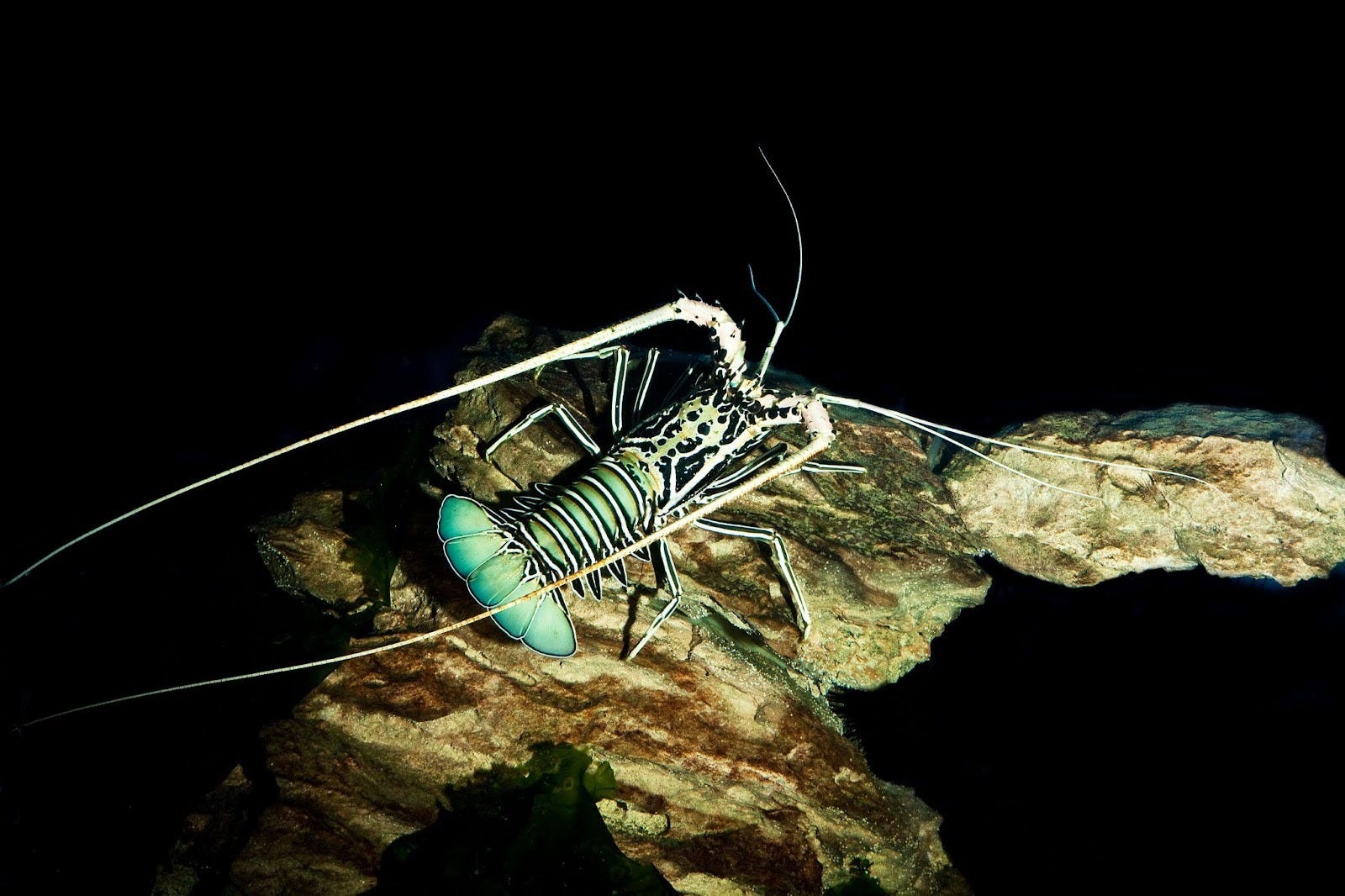
Unlike most other insects, they can regenerate lost limbs. This is the result of a group of cells called blastemal cells. Like the cells in a jellyfish’s undifferentiated polyp state, blastemal cells can regenerate into any kind of cell in a lobster’s body, including muscle, bone and nerve cells.
What is remarkable about lobsters is their longevity. They have been known to live for over a hundred years. In most animals, cells, DNA, and tissue accumulate damage over time, which
...This excerpt is provided for preview purposes. Full article content is available on the original publication.