Hollywood’s Music Biopic Boom: Quantifying the Rise of a Soulless Genre
Deep Dives
Explore related topics with these Wikipedia articles, rewritten for enjoyable reading:
-
Jukebox musical
14 min read
The article discusses music biopics as a genre built around existing songs and artist catalogs. Jukebox musicals are the theatrical equivalent—productions built around pre-existing popular music—and understanding this format provides context for why audiences respond to familiar songs in new narrative contexts.
-
Nebraska (album)
19 min read
The article centers on a biopic about Springsteen recording Nebraska, calling it his '13th-best-selling album.' Understanding the album's stark, lo-fi recording process and its departure from Springsteen's usual sound explains why this particular subject matter is unusual for a blockbuster biopic.
-
Oscar bait
1 min read
The article explicitly uses this term to describe music biopics, noting that nearly one in four receives acting nominations. The Wikipedia article explains the film industry phenomenon of producing prestige films designed specifically to win Academy Awards, providing context for the economic incentives the author analyzes.
Intro: Contractually Obligated Viewership
Culture comes for all of us if given time. When enough people like something—say a movie or book—that appreciation becomes an asset. What does this mean in practice?
If you liked The Devil Wears Prada, then you’ll soon be purchasing two tickets for the long-awaited sequel (coming in May 2026).
If your favorite Batman character is The Penguin, then you’re locked into a gritty HBO miniseries where the third-best Batman villain is now a relatable anti-hero.
If you love Emojis, then you were there for opening weekend of The Emoji Movie (which currently holds a 6% on Rotten Tomatoes).
I’ve long observed this process from a distance: a reboot or adaptation gets announced, longtime fans respond with a mix of frustration and resignation, and I watch the whole thing unfold with detached curiosity, thinking, “Glad that’s not me!”
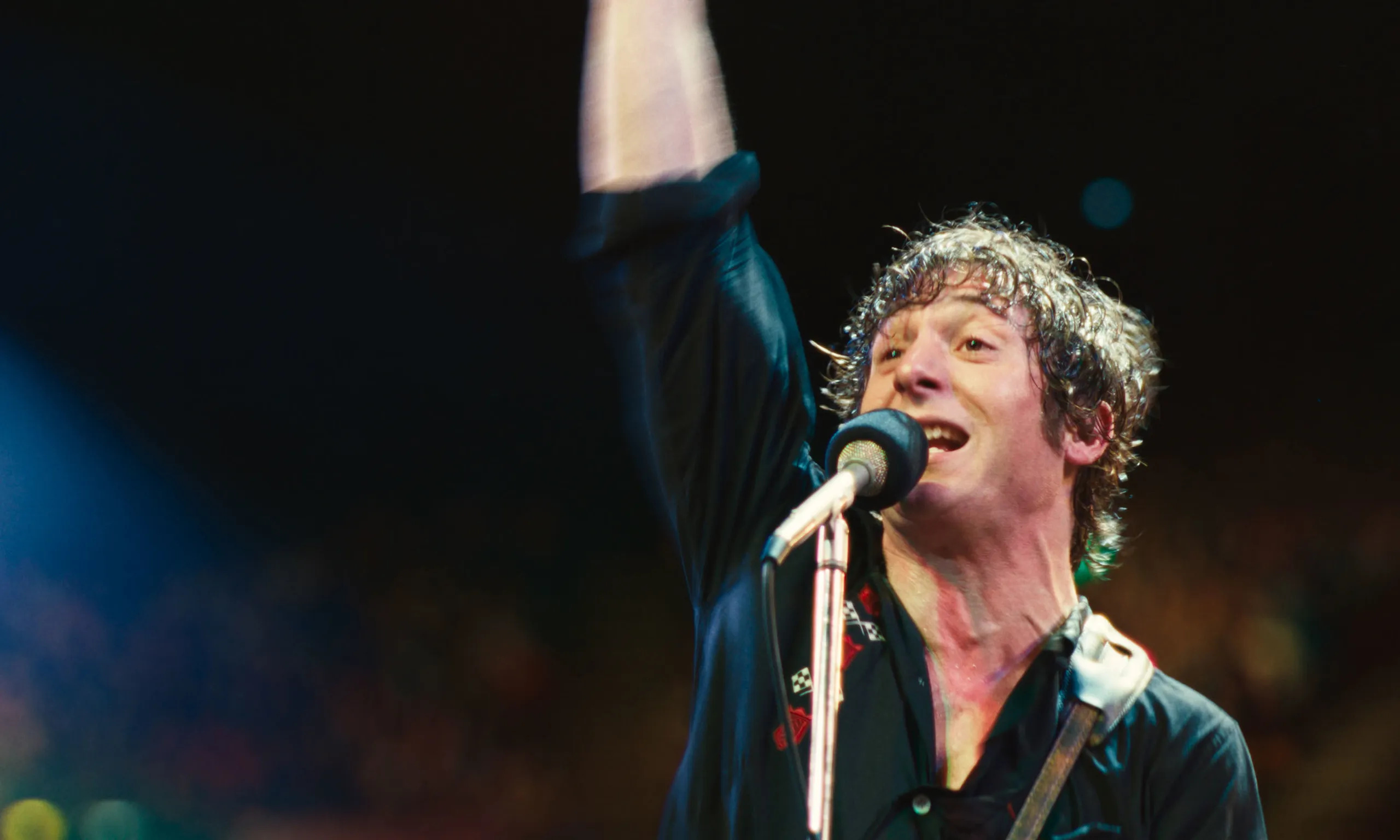
And then I saw a trailer for Springsteen: Deliver Me From Nowhere, a dramatization of Bruce Springsteen’s efforts while recording his 13th-best-selling album (Nebraska). My dad loves Bruce Springsteen, which means I love Bruce Springsteen, which means I’m now contractually obligated to watch a music biopic that’s likely to fall short of my expectations. Culture has come for me—and for my love of “Born to Run.”
The past decade has seen a glut of Hollywood films dedicated to the lives, songs, and struggles of musicians who mostly overcame those struggles—because why else would this movie exist? Some recent examples include: Bob Marley: One Love, Bohemian Rhapsody, Whitney Houston: I Wanna Dance with Somebody, Elvis, and A Complete Unknown. We get two to four music biopics a year, and for the most part, I’ve managed to steer clear. Until now.
It’s with this in mind that I went to my local AMC theater to watch a film with no narrative stakes about a cultural icon who succeeded so thoroughly that they decided to make a movie about it. I should also say that I had a decent time (because I love Bruce Springsteen).
So today, we’ll explore the rise of music biopics, why this format is uniquely successful despite its formulaic nature, and the economic incentives that have fueled its proliferation.
What Makes Music Biopics So Profitable, So Predictable, and So Prevalent?
My screening of Springsteen [Colon] Deliver Me From
...This excerpt is provided for preview purposes. Full article content is available on the original publication.