A Plea for State Intervention in the Film Industry
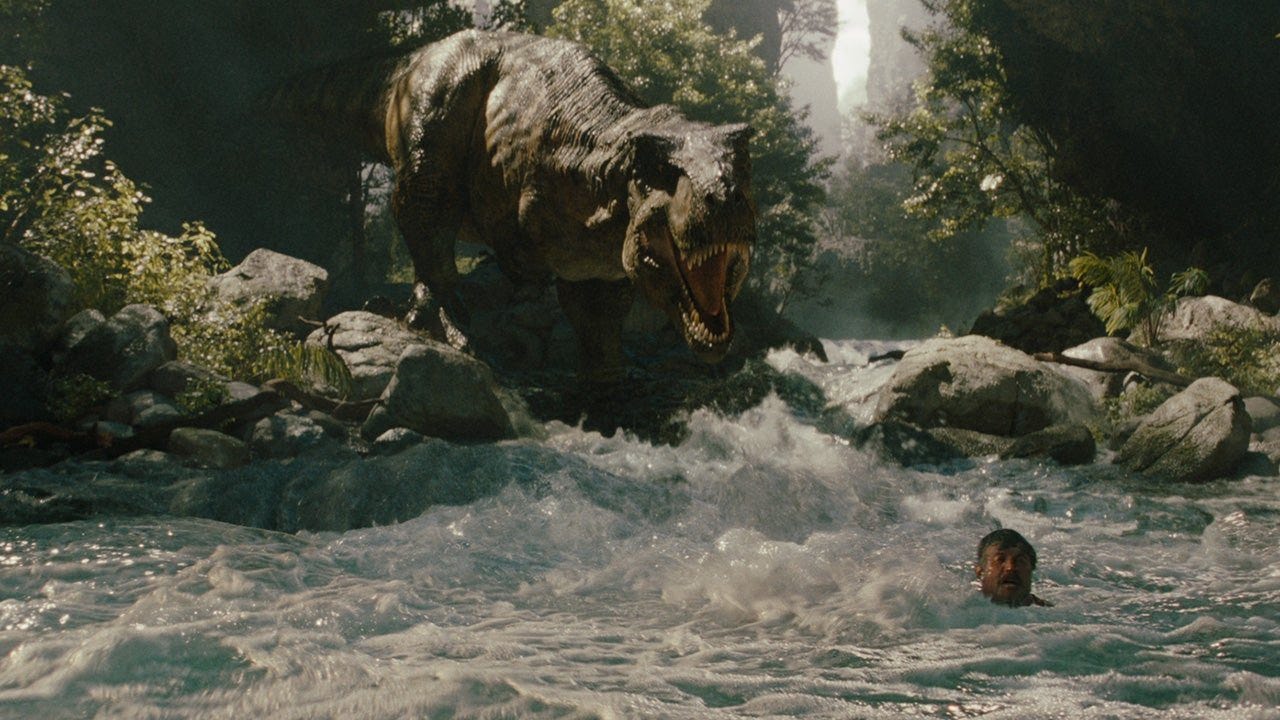
Somewhat unusually for a philosopher, I recently wrote a piece for VICE arguing for the central administration of Hollywood budgets by the US Government, in an attempt to improve its aesthetic outputs by the means of financial regulation. The piece was, as you can imagine, shortened and largely adapted to VICE’s editorial style. I’m republishing the longer, original draft here, hoping that you may get something different from this extended piece.
Not even the most devoted free-market, economic libertarians, including Trump himself, have been able to avoid the need for government regulation in financial markets. The free market has showed itself to be too volatile, quickly aggregating massive but violently precarious concentrations of wealth and power. Left to themselves, markets appear easily self-destructive and a threat even to their capitalist investors. In order to avoid a general economic collapse, a truly faithful, free-market capitalist will therefore inevitably embrace an element of anti-capitalist State regulation. But if we are all happy to accept regulation across a range of economic industries, why have we yet to accept the idea of government regulation in one of our most treasured industries: the film industry?
Let’s take a quick look at some of the biggest films of the last few years: Jurassic World: Rebirth (which required a plot absurd enough to justify a seventh Jurassic Park franchise film: using dinosaur blood to cure heart disease), the latest Superman reboot (this time patronisingly appealing to millennials and Gen Z by exploring the ‘emotional experience’ of being a superhuman alien), a second instalment of the Lilo & Stitch live-action remake (which, to appropriate Jorge Luis Borges on the Falklands War, was as interesting as a comb to a bald man), the 5th John Wick film (this time with the entirely pointless addition of even more assassins with tragic backstories), a new onslaught of Marvel Cinematic Universe films (somehow stubbornly persisting with a new set of heroes after what we hoped would be the conclusion of this franchise with Avengers: Endgame), the 6th Final Destination film (a series which, more than any other franchise, has survived by quite literally repeating the exact same plot in each film: a group of people ‘avoid death’, but nevertheless end up dying anyway), Sonic the Hedgehog 3 (a truly democratic film franchise, where in 2019 the public successfully bullied Paramount Pictures to redesign Sonic following the trailer of the
...This excerpt is provided for preview purposes. Full article content is available on the original publication.