For Me, Postpartum Testosterone Decline Has Been Very Real
Deep Dives
Explore related topics with these Wikipedia articles, rewritten for enjoyable reading:
-
Testosterone
14 min read
The article centers on testosterone decline in new fathers, but most readers likely don't understand the hormone's specific physiological mechanisms, how it's produced, regulated, and affects mood, energy, and libido at a biochemical level
-
Lithium (medication)
14 min read
The author discusses taking lithium for bipolar disorder and its 'narrow therapeutic band' requiring regular blood monitoring - readers would benefit from understanding this historically important psychiatric medication's mechanisms and why it requires such careful monitoring
-
Paternal bond
10 min read
The article discusses how testosterone decline may be an evolutionary adaptation to promote caregiving - the Wikipedia article on paternal bonding covers the biological, hormonal, and evolutionary science behind father-child attachment that contextualizes the 'fatherhood effect' mentioned
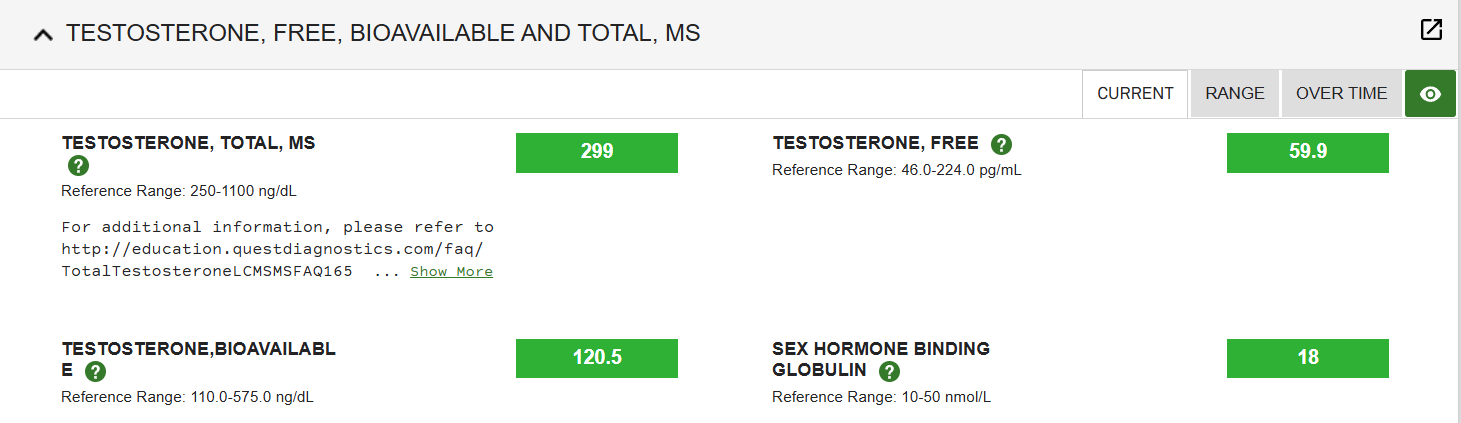
So we tried to have a baby for three years, sex understandably came to feel like something entirely removed from romance, I jacked off into more cups in more depressing clinic bathrooms than I care to admit, and suddenly, we were pregnant, life got very fast, we lived in the hospital for five weeks thanks to life-threatening complications, and flash forward to today, and I live with an unruly and feral nine-month-old creature that wants everything he lays his eyes on and has fully captured my heart. And, simultaneously, I experienced a common and consequential but almost entirely-undiscussed hormonal change that left me with a profound lack of energy, dampened mood, and compromised libido; only recently have I started to get back to normal. I’m here today to talk about it, for the good of all. Because postpartum testosterone reduction is real and sensitive, and I came into fatherhood with no knowledge of it and no help in dealing with it.
If you’re unaware, yes, it appears that new fathers typically experience significant drops in their testosterone levels after their partners give birth. This is thought to be the product of pretty direct evolutionary forces: with a new baby, a man’s genetic advantage shifts from impregnating as many women as possible to making sure that this newborn survives to adulthood and keeps the genetic line going. This phenomenon is a pretty classic example of a cultural belief that has proved to be empirically verifiable with modern technology; you can find talk of fatherhood depleting male virility in Pliny the Elder, for example, and medieval medical theory often referred to a postpartum loss of vitality in new fathers. Here in the modern era, we can measure the loss of the male sexual hormone, and we find that the reduction is real, appears to have a direct relationship to the amount of childrearing the man is participating in, and can at times be severe.
Of course, for most fathers, this is all confined to the world of feelings and vibes. Most men don’t have any reason to regularly monitor their serum testosterone levels. For me, thanks to a quirk of my medical situation, postpartum testosterone decline wasn’t just a vague set of symptoms but a set of numbers on MyQuest. A lot of guys have felt this reduction in the
...This excerpt is provided for preview purposes. Full article content is available on the original publication.