Civilizational Petrification
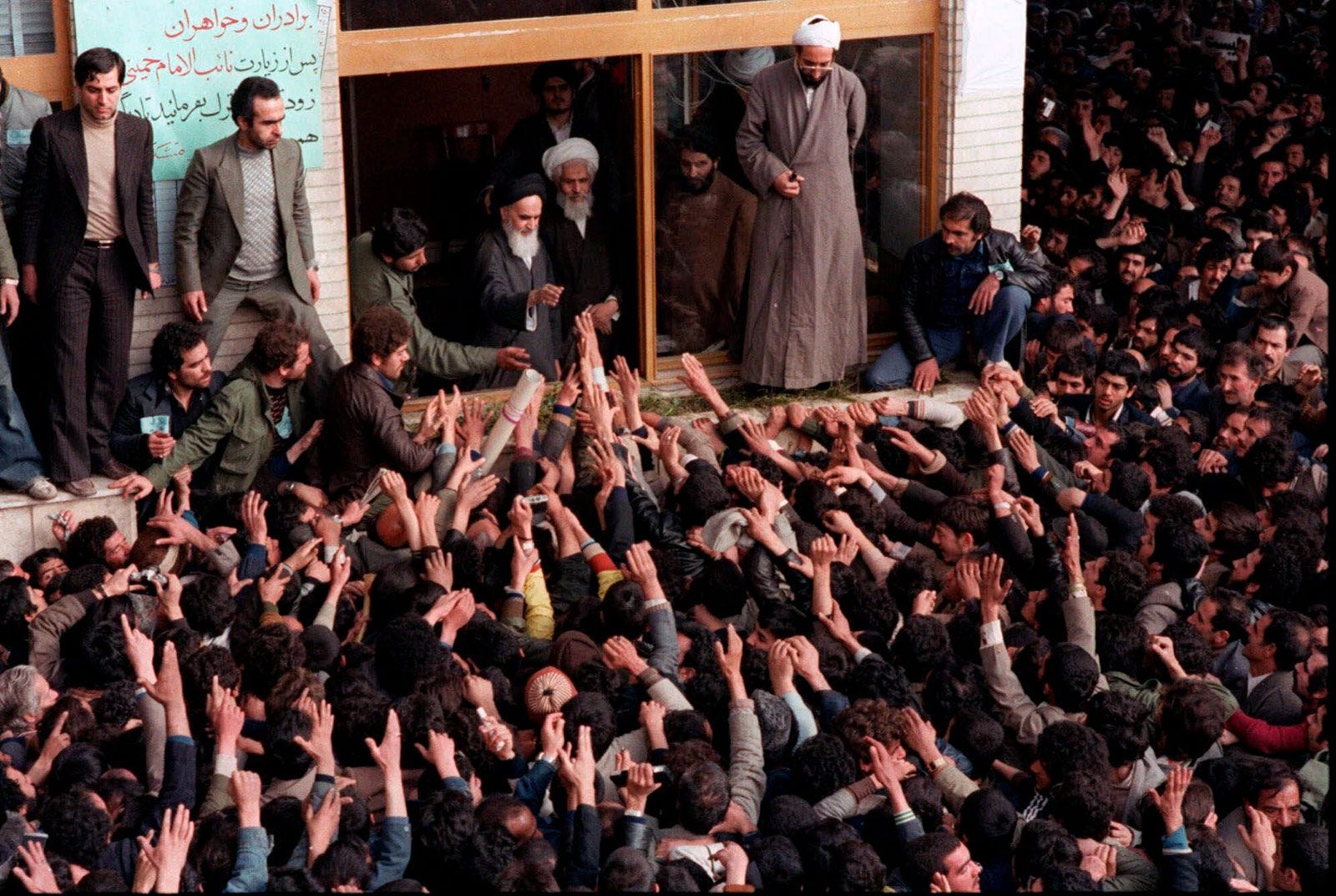
There are periods in history when the concept of civilization captures the attention of historians and social scientists. About a century ago, Owald Spengler, Arnold Toynbee, and Pitirin Sorokin were the most distinguished names in this field. At the end of the last century, postcolonial studies and Samuel Huntington, with his Clash of Civilizations, marked a return of interest in the idea of civilization, albeit with opposing purposes: postcolonial studies criticizing Eurocentrism; Huntington defending it against Chinese and Islamic threats. Despite all their differences, these studies shared a central idea: competition, rivalry, and succession between civilizations. And the West was always at the center of attention.
In more recent times, the theme of civilization has emerged in a new context: in the way civilization, whatever it may be, defines its relationship with nature. This is undoubtedly the theme of the present and the future. And until a few years ago, we were convinced that, given the imminent ecological collapse, the presence of this theme was irreversible. But suddenly, thanks to the Donald Trump phenomenon and everything that makes him the opening news story in most of the world, the theme of civilization/nature relations has disappeared again and, in its place, the theme of rivalry between civilizations has returned to the political agenda under different names, such as rivalries between imperialisms, US-China conflict, and the struggle between democracies and autocracies. In this text, I do not intend to enter into the civilizational debate in all its dimensions. I will limit myself to a specific problem.
Our time marks the beginning of a civilizational period that I refer to, inspired by the work of Arnold Toynbee, as petrification. It is a Western debate. Petrification is a period of prolonged decline in which a given civilization ceases to respond to challenges, loses creative and spiritual energy, and assumes rigid forms of hierarchy. Petrification can postpone the moment of disintegration and dissolution. Even admitting that, in the past, each civilization, following its path of birth, growth, maturity, disintegration, and dissolution, ended up being replaced by an external enemy that it designated as barbarism, I believe that what is called Western civilization is today in a state of petrification.
It is a
...This excerpt is provided for preview purposes. Full article content is available on the original publication.