CONVERSATION with Harj Narulla: The ‘landmark’ climate case that could finally make big polluters pay
Deep Dives
Explore related topics with these Wikipedia articles, rewritten for enjoyable reading:
-
International Court of Justice
14 min read
The article centers on the ICJ's landmark climate ruling. Understanding the court's structure, history, and how advisory opinions differ from binding judgments provides essential context for evaluating this decision's significance.
-
Climate change litigation
12 min read
This article discusses a specific climate case, but readers would benefit from understanding the broader landscape of climate lawsuits worldwide, including precedents like Urgenda and other strategic litigation that paved the way for this ICJ opinion.
-
Solomon Islands
12 min read
The small Pacific island nation played a central role in bringing this case to the ICJ. Understanding its geography, vulnerability to rising sea levels, and why small island developing states have become leaders in climate justice movements adds important context.
As London experiences its fourth heatwave of the summer, making the city a particularly unpleasant place to work, and as wildfires rip through Spain, Portugal, Greece, Turkey and much of the Balkans, where temperatures have been tipping 40C this week, I’m sure those of you reading this in Europe won’t need reminders of the extremes the climate crisis is delivering in ever-greater frequency. The word “unprecedented” begins to feel redundant.
It can feel similarly redundant to reiterate how off track progress on climate remains, or how steep a hill we have left to climb.
Breaking out of this grim redundancy means celebrating the wins we get and, most importantly, understanding them—how they happened, which strategies can be leveraged in other areas, and how we can build momentum off the back of them toward the future we want to see.
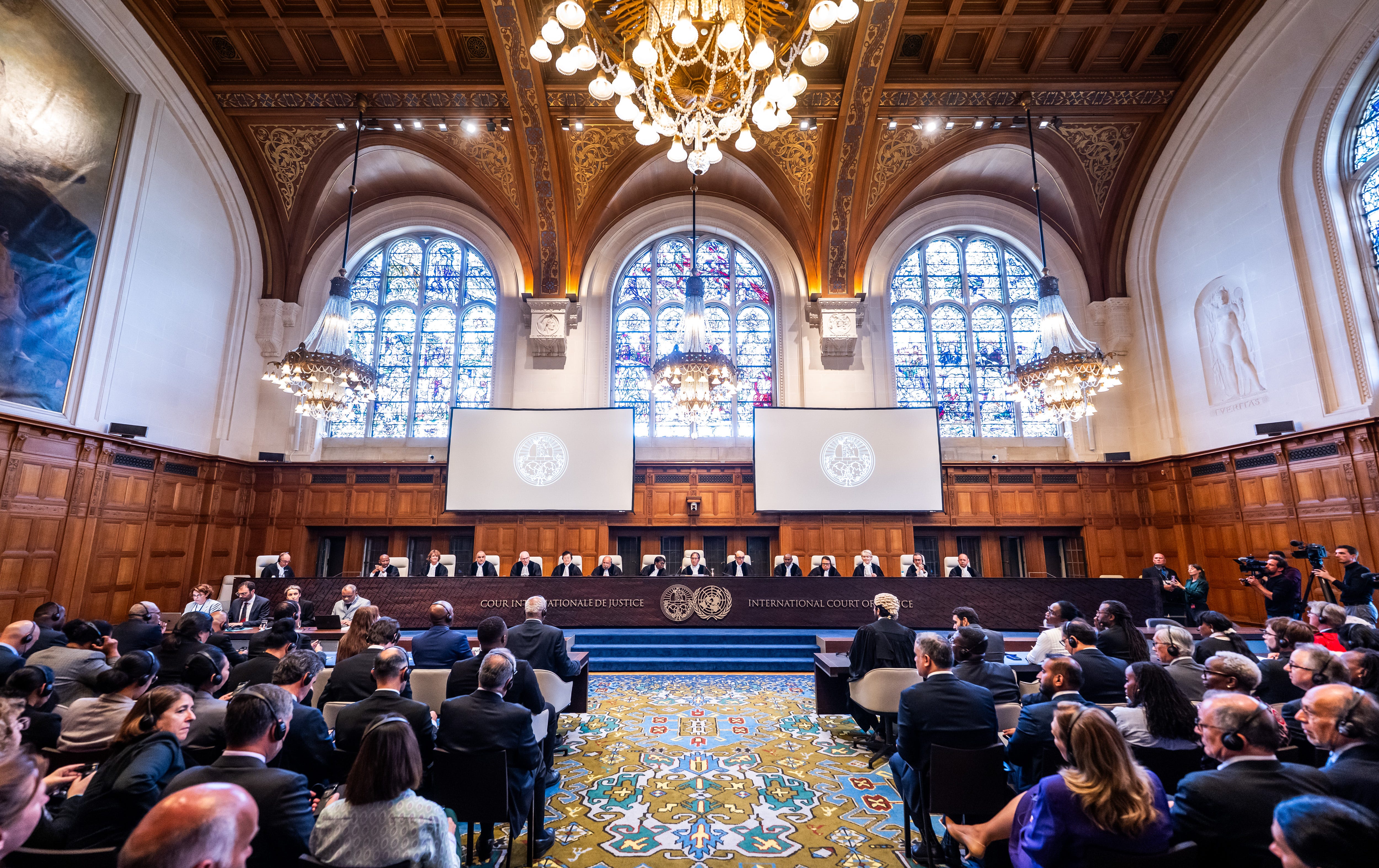
That’s why in this week’s newsletter, we are highlighting the landmark Advisory Opinion on climate by the International Court of Justice (ICJ) from 23rd July.
Specifically, we are honoured to have had the opportunity to interview Harj Narulla, a barrister at Doughty Street Chambers specialising in climate law and litigation. He’s been in the news recently as the counsel for Solomon Islands, a small Pacific island nation, in this case—the outcome of which could fundamentally shape climate action in the years to come.
As Narulla says: “The stakes have changed fundamentally. The developing world now has essentially a credible alternative where they can say: if you don't provide us with what we want, we can go to the ICJ to pursue a legal remedy.”
The interview is wide-ranging, but one of the most interesting parts is the story of how this case began: with a group of law students at the University of the South Pacific in Fiji. As Narulla says, “one of the most remarkable and inspiring aspects of this process [has been] the leadership from those Pacific students.” If you want to read more about how it came to the ICJ, then I’d recommend this piece on the students published on the BBC website. It’s a fascinating story.
I’ll leave the rest to Narulla.
Now, if you think this will all be interviews, you’d be very wrong. Our next newsletter will
...This excerpt is provided for preview purposes. Full article content is available on the original publication.