Does 'Avatar' Have No Cultural Footprint? A Statistical Analysis
Deep Dives
Explore related topics with these Wikipedia articles, rewritten for enjoyable reading:
-
James Cameron
15 min read
The article extensively discusses Cameron's filmmaking career, his perfectionism, and his history of creating expensive blockbusters. Understanding his full biography, methods, and track record provides essential context for why Avatar's development took so long and why 'Big Jim simply doesn't miss.'
-
Naʼvi language
13 min read
The article mentions Cameron contracted a USC linguist to develop a 2,500+ word Na'vi language. The full story of this constructed language—its phonology, grammar, and cultural impact—exemplifies the unusual worldbuilding approach that distinguishes Avatar from typical franchise filmmaking.
-
Fandom (website)
17 min read
The article uses Fandom wiki page counts as a key metric for measuring cultural footprint. Understanding how this platform evolved from Wikia, its role in fan communities, and how it quantifies fandom engagement illuminates the methodology behind the article's statistical analysis.
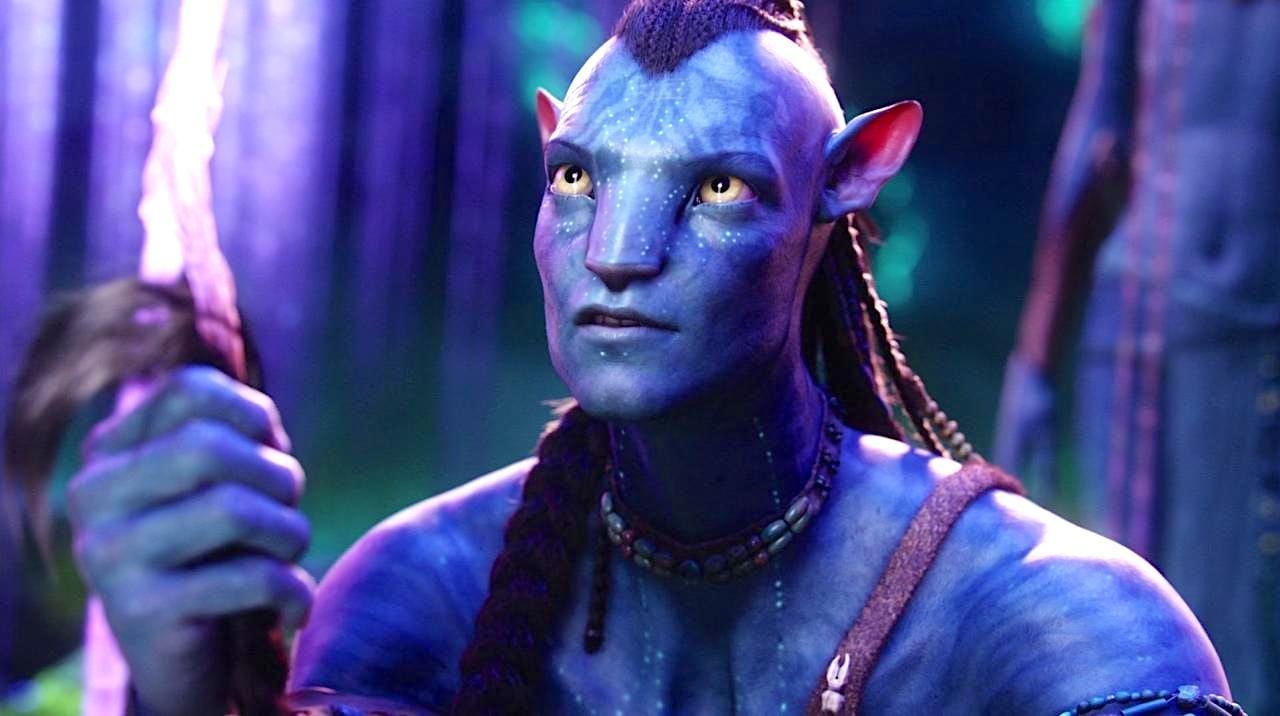
Intro: Do You Remember Anything About Avatar?
The internet loves a punching bag. Through disorganized consensus, a well-known figure (like Hayden Christensen or Forrest Gump) can become digital shorthand for a spirited grievance. Some of the internet’s most notable punching bags include:
Nickelback and Creed: these bands have become shorthand for repetitive and over-commercialized rock music.
Morbius and Madame Web: these movies have become shorthand for half-baked franchise fare.
Jar Jar Binks: this bizarre CGI creation became shorthand for everything wrong with George Lucas’ Star Wars prequels and the legacy-killing potential of reboots.
And, in recent years, James Cameron’s Avatar has become internet shorthand for hollow commercialism—an ephemeral pop artifact that made a lot of money and (allegedly) disappeared. The internet discourse surrounding Avatar is coded with disbelief and deception, as if the moviegoing public was the victim of a long con (where we all wore 3D glasses and watched a film starring “Sam Worthington”).
Years after the first Avatar’s release, Forbes declared, “Five Years Ago, Avatar Grossed $2.7 Billion but Left No Pop Culture Footprint,” and The New York Times wrote an in-depth essay on “Avatar and the Mystery of the Vanishing Blockbuster.” In 2016, Buzzfeed created a quiz entitled “Do You Remember Anything at All About Avatar?” that challenged readers to recall basic details like the lead character’s name (Jake Sully) or the actor who played Jake Sully (“Sam Worthington”). Somehow, Avatar’s commercial success has not translated into cultural longevity, according to internet punditry.
How can a movie make over $2B and, subsequently, be deemed culturally irrelevant? Are these claims legitimate, or is the internet dogpiling on a commercial success?
So today, we’ll quantify the cultural afterlife of James Cameron’s Avatar franchise, attempting to make sense of its perceived irrelevance. We’ll investigate various markers of cultural significance in the digital age and the idiosyncrasies that separate Avatar from run-of-the-mill franchise entertainment.
Today’s newsletter is sponsored by The Stat Significant Dataset Hub
Access 160+ Curated Datasets to Elevate Your Analysis

Want the data behind the deep dives? The Stat Significant Data Hub gives you access to 160+ curated datasets spanning movies, music, TV, economics, and more.
New datasets are added weekly, with full archive access for Stat Significant paid subscribers. Since last week’s post, we added 11 new datasets—covering everything from songwriting credits
...This excerpt is provided for preview purposes. Full article content is available on the original publication.